




Best Buy Plans for ‘Greener’ Fleet
RICHFIELD, MN - Reducing miles traveled, implementing an anti-idling policy, and right-sizing its fleet are just a few of the environmental efforts highlighted in Best Buy's annual sustainability report for fiscal 2010.
RICHFIELD, MN- Best Buy Co. Inc. released its Annual Sustainability Report for Fiscal 2010, highlighting the company's environmental initiatives and progress made towards those goals. Efforts include reducing miles traveled, implementing an anti-idling policy, and right-sizing its fleet.
The following are just a few ways Best Buy is "going green":
Less travel. The company has managed to achieve its goal set in fiscal 2009 to have 100 percent of its long haul carriers in the SmartWay program, an initiative of the U.S. Environmental Protection Agency (EPA) that helps transportation carriers and shippers improve their efficiency. Best Buy has been a partner with SmartWay since 2007 to help reduce the environmental impact of transportation in its operations. The company further leveraged SmartWay to develop partnerships with suppliers and third party shippers to reduce the number of miles traveled with an empty truck. In fiscal 2010, the company was honored by the EPA for excellence in this area, receiving the SmartWay Excellence Award 2009 in the Shipper category.
Idling reduction. The company set an internal goal to expand the "no idling" policy instituted in fiscal 2009 from all U.S. retail stores to all of our U.S. distribution centers. Best Buy has not fully met this goal, it has "made progress and plan[s] to continue working on making this policy feasible in each of [its] locations," according to the report.
Fuel efficiency. Best Buy plans to build a more fuel-efficient Geek Squad fleet.In fiscal 2010, the company experienced a slight reduction in miles traveled by the Geek Squad in-home services team, which is attributed to a more effective routing system. Best Buy is also testing the use of fully electric vehicles and has replaced many of its full-size cargo vans with smaller, more fuel efficient vehicles. In fiscal 2011, the company plans to invest in cargo vans that have smaller engines and to monitor technology solutions that may be able to help the company measure fleet usage more effectively.
Reducing emissions. In its U.S. operations, Best Buy became a partner in the U.S. EPA's Climate Leaders program. Climate Leaders is an industry government partnership that works with companies to develop comprehensive climate change strategies. Partner companies complete a corporate-wide inventory of greenhouse gas (GHG) emissions based on a quality management system, set aggressive reduction goals and voluntarily submit annual reports to the EPA. Best Buy has already achieved its goal to reach an 8-percent carbon emissions reduction (per U.S. retail square foot over 2005 baseline) by 2012, and is working to establish a new goal to continue this trend.
Best Buy is ranked No. 69 on Automotive Fleet's 2010 Top 300 Commercial Fleets listing.
For the full sustainability report, click here.
More Green Fleet

Merchants Fleet Reports 290M EV Miles as Fleets Navigate Changing Electrification Market
From millions in operating savings to hundreds of millions of EV miles, Merchants Fleet’s latest report reveals what’s working and what’s changing in fleet electrification.
Read More →
The EV Breakdown Nobody's Talking About: Why Most Electric Vehicle Roadside Calls Aren't Mechanical Failures
Here's why EV breakdowns are widely misunderstood.
Read More →
ChargePoint Now Available in Energy Pass
ChargePoint and additional planned charging network integrations were added to GM's Energy Pass.
Read More →

First Look: Slate Auto's Electric Fleet Pickup
Could an affordable, modular EV pickup make electrification more practical for fleets?
Read More →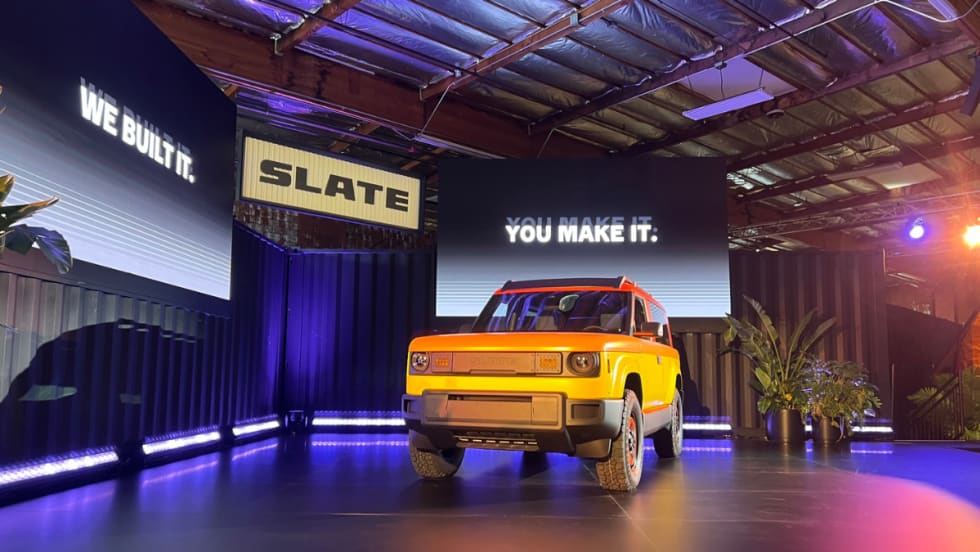
Slate Debuts Colorful, Unique EV Models
A recent media and client event, studded with electric vehicles dressed up on platforms, planted a new position for the manufacturer in the wider EV market. Fleets will find cost-saving advantages.
Read More →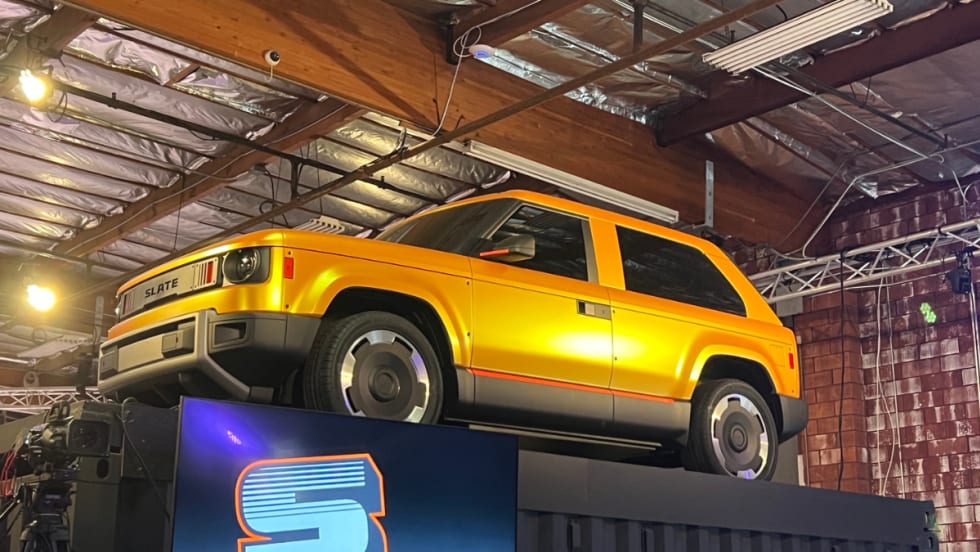
Slate Electric SUV, Pickup Switchable Model Aims For Light-Duty Fleets
Everything about this EV is counterintuitive and understated, making it stand out from the crowd.
Read More →
Inspiration Mobility Acquires Key Electrada Assets
Inspiration Mobility Group has acquired select assets of Electrada, adding the fleet electrification provider's team, technology, and charging infrastructure development capabilities to its energy management business.
Read More →
Turning Connected Vehicle Data Into Decisions That Matter
Fleet leaders have more data than ever, but turning that data into clear, actionable decisions remains a challenge. This white paper shows how leading organizations are using connected vehicle data to improve safety, reduce costs, and optimize fleet performance. Learn how to turn insight into action across your fleet.
Read More →
Are You Tracking Your Fleet's True Total Cost of Ownership?
Bobit Business Media surveyed 190 fleet professionals and found that while most fleets are tracking costs, fragmented systems and data gaps are keeping true TCO visibility out of reach. With rising pressure to control spend in an increasingly volatile environment, the gap between what fleets think they know and what the data actually shows is wider than you might expect. See how your peers are managing costs today and where the industry still has room to improve.
Read More →