





Further Reading: Arval Increases UK and Global Fleet Orders By 15% During Pandemic
Ben Edwards: Helping Fleets Open Up Badge Policy To EVs
Greater vehicle choice among electric vehicles could be a driving factor in a long-term strong ROI for fleets.
May 9, 2022
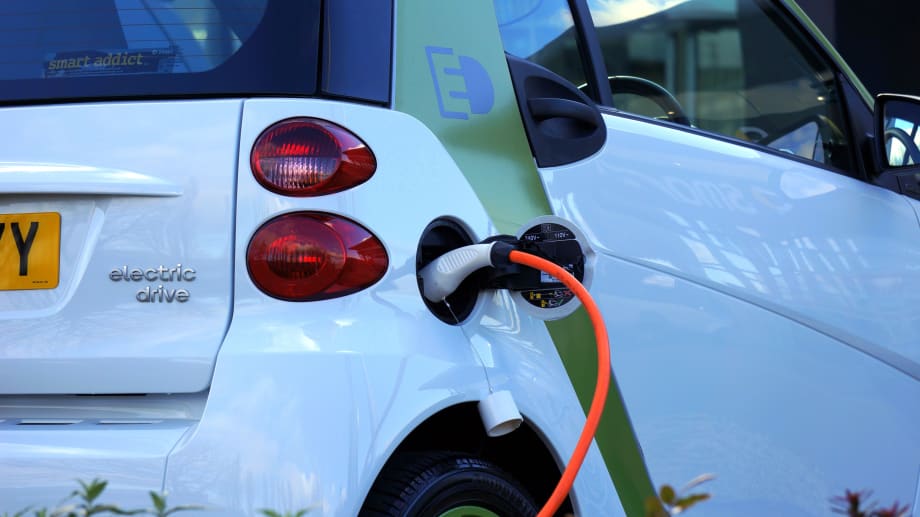
Edwards says changing the whole fleet to electric isn't necessary, and that identifying which segments are right for EV conversion will not only save money but motivate drivers.
Photo by Mike: https://www.pexels.com/photo/white-and-orange-gasoline-nozzle-110844/
3 min to read
Ben Edwards is a consultant with Arval in the UK. Here, he explains to U.K. editor Ralph Morton how he’s helping fleets change choice lists to get drivers into electric vehicles (EVs).
Switching to electric vehicles makes great sense for many fleets, not only from the operational savings available through reduced whole life costs, but also from the substantial tax reductions for drivers and the environmental advantages of choosing a zero-emission vehicle.
Vehicle choice lists often undermine a more sustainable fleet, however, especially now that vehicle lead times are so long. In the U.K. you can expect to wait a minimum of 12 months for a factory-ordered vehicle from a premium German manufacturer.
To overcome this bottleneck, Arval consultant Ben Edwards advises fleet managers to reconsider the vehicles available in order to facilitate a quicker move into EVs. He says:

Arval
“There is considerable demand for EVs from fleets who are working towards net-zero targets and also from their drivers who want to minimize their benefit-in-kind tax bill – that’s a natural financial incentive to make the switch.
“However, a large number of fleets operate policies which are limited to specific manufacturer ‘badges.’ This approach used to work well by concentrating buying power and simplifying choice lists. But it really doesn’t offer drivers enough choice in the range of models which are available in the current EV market.
“What we have successfully been advising fleets to do is to keep manufacturer badge restrictions in place for petrol, diesel and plug-in hybrid models, but open them up partially or completely when it comes to EVs – and this is something that has been working well.”
In particular, Edwards says better availability from Korean firms - such as Hyundai with its electric Kona SUV and IONIQ 5 models, and Kia with its award-winning EV6 - are allowing fleets open to such policy change to switch to EVs sooner.
“Any fleet operating a restrictive badge policy is not giving their drivers a big choice of EVs. For the lower-grade drivers not many vehicles are available. But by opening up that choice - the ‘nudge concept’ - you are effectively making more vehicles available. For example, with jobs-needs drivers - engineers and so on - allowing a fleet to offer the all-electric MG 5 Estate is significant. It’s the only electric estate that can fulfill this role today.
“Advantageously, EVs stack up on whole-life costs, while the driver can save some £2,500 in tax just by making the right vehicle choice. It’s a significant difference from a driver point of view. So for the same or a slightly better whole-life cost you can give the employee an effective pay raise. As an employer you win on both ESG (Environmental, Social and Governance) and driver satisfaction.”
Not all fleets are responding immediately to such changes, however, partly because it’s a massive change in company culture.
“Many international clients are led by a fixed-vehicle list from corporates. So my response to them is that it’s not about opening up the total fleet - the original choices can stay in place - it’s about opening up driver choice to EVs.
“Once fleets see the difference it makes on cost and to the driver journey to a new fleet vehicle - because it often gets forgotten what an emotive moment it is to get a new vehicle - it has started to be very well received.”
Edwards says that beyond vehicle availability, the road bumps to fleet electrification are smoothing out, although the rising cost of electricity and reimbursement costs are becoming a potential issue.
“As we move beyond what you might call early adopter fleets into the mainstream, emphasizing the core viability of electric cars alongside their obvious taxation and environmental advantages is the key to driving greater uptake. It’s all about making the electrification process both easy and effective.”
And opening up choice lists for EVs is part of that electrification process.
More Global Fleet
GeoFencing Adds to Your Truck Security Arsenal
Geofencing is a familiar fleet tool today, but its early adoption marked a major shift in vehicle tracking, route monitoring, and the debate over employee privacy.
Read More →
Holman Takes Full Ownership of ARIZA in Mexico
Holman is bringing its Mexican fleet management operation fully under its own brand after more than 30 years as a joint venture. The change gives multinational fleet customers a single Holman operation across the U.S., Canada, and Mexico.
Read More →
5 Tire Maintenance Tips to Help Prevent Work Truck Downtime
Regular tire checks can do more than extend tread life. These five maintenance practices can help work truck fleets catch problems early, reduce costs, and prevent downtime.
Read More →

Proven Ways to Reduce Work Truck Downtime
The age-old problem of downtime will always be a reality, but with new strategies at hand, fleets have more ways to keep trucks on the road longer.
Read More →


Cameras, Safety and Insurance: From Reactive Claims to Real-Time Prevention (Part 2 of 2)
Part Two: Commercial auto remains one of the most challenging and costly lines of coverage for fleet operators and insurers alike. Continue learning more about how to effectively address these issues from Onur Aksan, Enterprise Business Development Executive, Geotab
Read More →
Cameras, Safety and Insurance: From Reactive Claims to Real-time Prevention
Commercial auto remains one of the most challenging and costly lines of coverage for fleet operators and insurers alike. Learn more about how to effectively address these issues from Onur Aksan, Enterprise Business Development Executive, Geotab.
Read More →
Fleet Costs Are Rising: Here’s How Leaders Are Responding
Fleet leaders are under pressure to reduce costs, adapt to economic uncertainty, and make smarter decisions. See how peers across North America are responding with real data, proven strategies, and forward-looking insights. Download the 2026 Market Pulse Report to benchmark your strategy and uncover where you can gain an edge.
Read More →
Enterprise Fleet Management Surpasses 900,000 Vehicles in U.S. & Canada
Enterprise Mobility connects with mobility solutions around the globe
Read More →