




Azuga Fleet Tracking Solution Reduces Emissions
Azuga's G2 technology provides an accurate idling and carbon footprint report that can reduce a fleet's carbon emissions by at least 600 pounds per vehicle each year, the company announced.
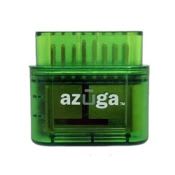
G2 photo courtesy of Azuga.
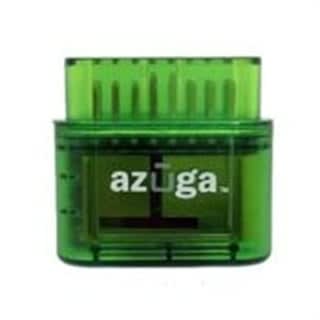
G2 photo courtesy of Azuga.
Azuga's G2 technology provides an accurate idling and carbon footprint report that can reduce a fleet's carbon emissions by at least 600 pounds per vehicle each year, the company announced.
The GPS fleet tracking solution's technology reads a vehicle's engine and delivers emissions and idling reporting 60 times more often than traditional GPS systems. The information is sent to the cloud, giving fleet administrators real-time snapshots of vehicle health, fuel usage, a vehicle's carbon footprint, and driver behavior.
California-based CG Appliances is using the technology.
"Using the Azuga solution, we are doing our bit to make this planet a greener place," said Chris Parisis, president of CG Appliances. "We operate in the San Francisco Bay Area where environmental stewardship is regarded highly by our customers and community. In addition, Azuga is helping our vehicles run more efficiently and more economically."
According to World Resources Institute, fuel consumption from vehicle use generates 75 percent of a vehicle's CO2 emissions over its lifecycle. Furthermore, The Environmental Protection Agency says that most vehicles run at maximum efficiency at 60 miles per hour, and every 5 miles over 60 mph decreases efficiency by 6 percent. These factors, coupled with excessive idling, delayed maintenance and inefficient routing can contribute to increasing a fleet's total emissions.
"Azuga G2 technology actually 'talks' to the engine every second versus traditional GPS systems that infer idling based on infrequent GPS signals and less accurate GPS speed and ignition sensing," said Anath Rani, Azuga's vice president. "We're giving fleet managers the most accurate and up-to-date information, which will reduce idling times, increase driver performance, and reduce emissions."
Rani added, "If idling is wrong, a fleet manager's carbon footprint calculations are wrong and drivers may be penalized unfairly."
Azuga's system typically costs 70 cents per day/per vehicle. It includes a lifetime hardware warranty and no contract.
More Telematics
GM Launches OnStar Fleet Intelligence Platform With AI Assistant
The new platform brings vehicle data, order tracking, connected services and fleet analytics into one system, with an AI assistant that can answer fleet questions using natural-language prompts.
Read More →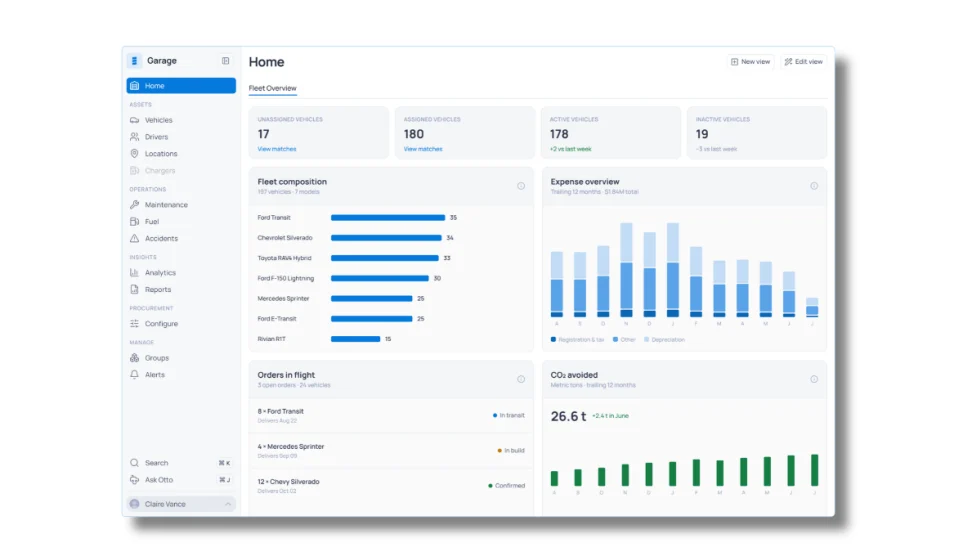
Inspiration Fleet Introduces Garage 2.0 Fleet Intelligence Platform
Fleet managers increasingly have access to data from vehicles, telematics, fuel, charging, and other systems, but those sources don't always communicate with one another. Inspiration Fleet's Garage 2.0 platform brings that information together while letting fleets keep working with different technology and service providers.
Read More →
Inside Inspiration Fleet’s New Platform for Connecting Fleet Data
Inspiration Fleet CTO Chris Getner explains how the new Garage 2.0 platform is designed to connect disparate fleet data and what that could mean for fleet managers in practice.
Read More →
Fleet Manager’s Ultimate Playbook: Navigating the New Standard in OEM Connectivity
Rising operating costs, driver safety concerns, and unplanned downtime are putting unprecedented pressure on modern fleets. Discover how fleet managers use embedded OEM connectivity and real-time vehicle data to cut TCO, prevent downtime, and protect drivers without aftermarket telematics hardware.
Read More →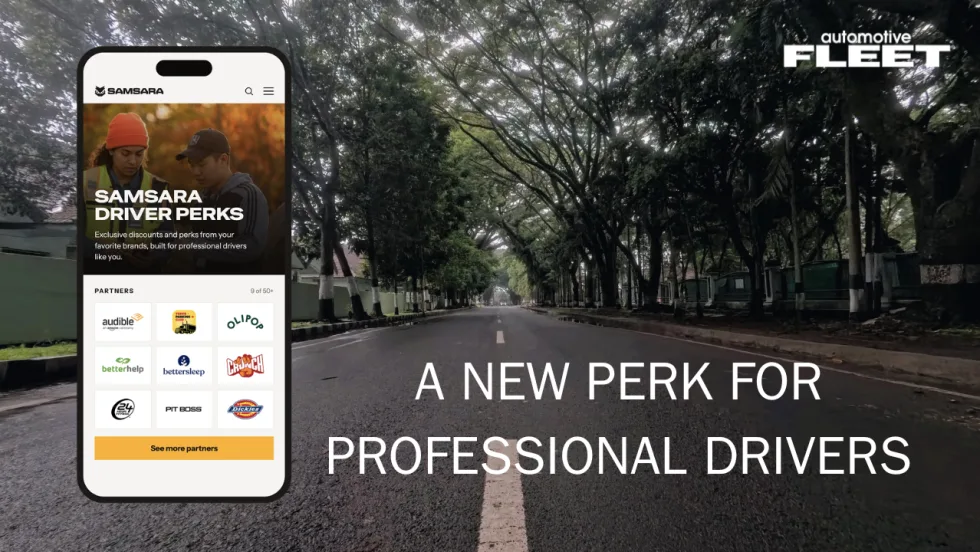
Samsara Driver Perks Adds New Benefit for Corporate Fleet Drivers
The rewards program gives eligible professional drivers access to discounts from more than 50 brands while giving fleets another way to support recruitment, retention, and the driver experience.
Read More →
Inside the Church of Jesus Christ of Latter-day Saints’ Two-Track Telematics Strategy
With 20,000 vehicles and two fundamentally different driver populations, the Church faced a fleet management problem that a single telematics program couldn't solve. How it responded offers a replicable framework for any fleet where one size doesn't fit every driver.
Read More →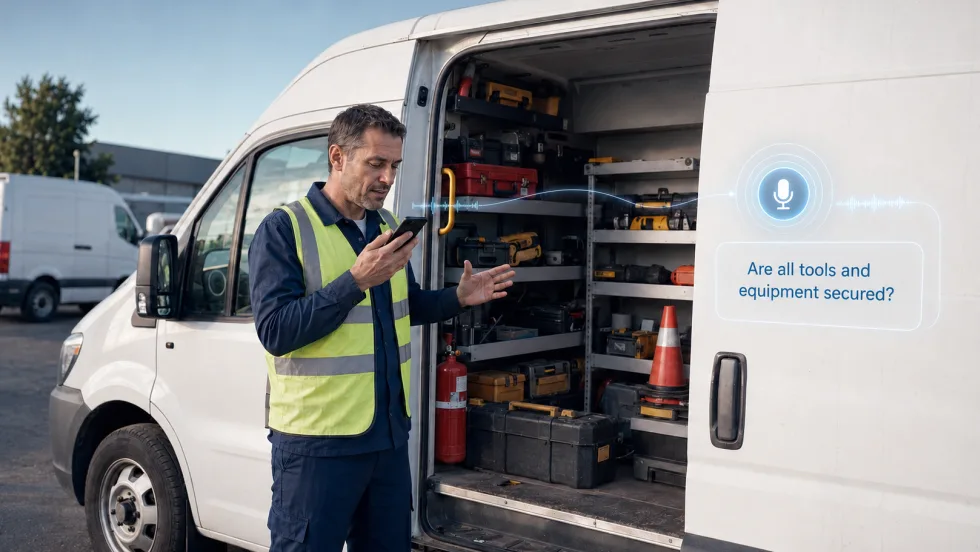
How Conversational AI Can Make Fleet Tasks Easier for Drivers
While most generative AI tools help fleet managers interpret data at their desks, Connex2X is applying voice interaction to tasks behind the wheel.
Read More →
Why Fleets Are Creating Dedicated Fleet Analyst Positions
Are fleet analyst positions the new norm? Listen here to find out.
Read More →
Teletrac Navman Begins Next Chapter as Standalone Private Company
What's new with Teletrac Navman and its new owner?
Read More →
Why Fleets Are Creating Dedicated Fleet Analyst Positions
Telematics, AI, EVs, and connected technologies are generating more fleet data than traditional teams can effectively manage. Reed Jackson explains why dedicated fleet analytics roles are emerging to turn that information into better operational decisions.
Read More →