




Auto Club Offers Driving Tips for Pothole Season
LOS ANGELES --- Potholes, caused by water working its way into asphalt and cracking it, can damage vehicle suspension components and increase the possibility of costly repairs.
LOS ANGELES --- Potholes, caused by water working its way into asphalt and cracking it, can damage vehicle suspension components and increase the possibility of costly repairs. Steve Mazor of the Automobile Club of Southern California's Automotive Research Center offers the following tips to help your fleet drivers survive pothole season:
-- Maintain proper air pressure in all tires to provide as much cushion as possible between the pothole and the rim of the tire. Consult the vehicle owner's manual or the sticker on the driver's side door jamb, inner glove box or inside of the fuel filler flap for the correct pressure.
-- Watch for potholes by leaving plenty of space between your vehicle and the one in front of you. Alert drivers have plenty of time to avoid potholes.
-- Before swerving around a pothole, be sure to check surrounding traffic to determine if it's safe to change lanes.
-- Maintain a safe speed for the weather conditions. If a pothole cannot be avoided, slow down, if possible. Hitting a pothole at high-speed increases the chance of damage to tires, wheels, shocks, struts, springs or suspension components. High speed also increases the chance of losing control of the vehicle, especially if a series of potholes occurs on a curved or uneven roadway.
-- When driving over more than one pothole, reduce vehicle speed and hold the steering wheel firmly to avoid losing control.
-- If possible, don't brake when directly over a pothole. Applying the brakes causes the car's weight to shift to the front of the vehicle and can increase damage from the impact.
-- Beware of water that may be concealing a deep pothole. Hitting even one severe pothole could alter the alignment of a wheel from suspension damage resulting in uneven tire wear. Uneven and premature tire wear means the tire will need to be replaced sooner than necessary and increase fuel consumption at needless expense.
"A broken shock or strut from hitting a pothole could alter the steering and handling of a vehicle, and create dangers when driving at higher speeds or in tight corners," Mazor said. "Broken or damaged suspension components should be remedied immediately."
Maintaining the vehicle's tires is also crucial to safe driving, said Mazor. Every other fill-up, walk around the vehicle and check tires for uneven or excessive tread wear as well as proper inflation. Refer to the vehicle's doorjamb or glove box for original equipment specifications or the manufacturer of the replacement tire for proper tire pressure inflation, he added.
The Auto Club also recommends a tire rotation approximately every 7,500 miles, said Mazor. Check the owner's manual for your specific vehicle's service recommendations.
More Safety

The Safest Fleets Aren’t the Ones with the Most Technology
You’ve made the telematics investment. Here’s how to capture the other half of its value and build the safest fleet on the road.
Read More →
Hidden in Plain Sight: Fleet Compliance Risks
Fleet compliance isn't just about having policies — it's about consistently enforcing them. This practical guide reveals six hidden compliance risks common in public sector and shared fleet operations and outlines proven strategies to improve visibility, accountability, and audit readiness
Read More →
NETS Sets 2026 Fleet Safety Benchmark Conference for Indianapolis
The Sept. 15–17 program will feature fleet benchmarking data, case studies, emerging technologies, and implementation strategies while running alongside the NSC Safety Congress & Expo.
Read More →
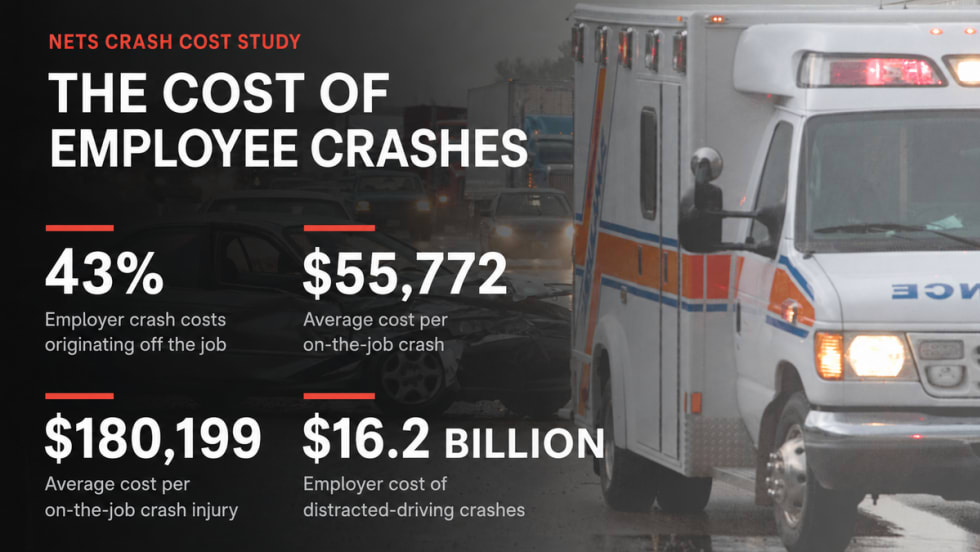
Off-the-Job Crashes Account for 43% of Employers’ $61.7 Billion Crash Burden
NETS quantifies costs dispersed across fleet, risk, HR, and other departments while providing new per-crash benchmarks for employers.
Read More →
Ram Recalls More Than 1.27 Million 1500 Pickups for Seat Belt Anchor Issue
The recall affects certain 2019-2026 Ram 1500 pickups that may have improperly attached second-row seat belt buckle anchors.
Read More →
How Better Visibility Cut Speeding Violations by 48%
Fleet leaders don't need more data, they need clearer visibility into what the data is saying. This case study explores how one utility replaced speeding-event counts with a single metric — miles driven in violation — to strengthen safety and significantly reduce speeding violations.
Read More →
Operation Safe Driver Week: Why the Industry's Oldest Safety Campaign Still Matters to Fleets
A look at how a 2007 enforcement initiative became one of the most consequential weeks on the fleet safety calendar, and what it means for your drivers in 2026.
Read More →
Nexar-Nauto Merger Aims to Give Fleets Better Safety Intelligence Through Larger Driving Dataset
Stefan Heck tells Automotive Fleet that combining more than 10 billion miles of driving history with Nexar's AI models will give fleets deeper insights into driver risk and roadway conditions than either company could provide independently.
Read More →
From Silos to Solutions: Relationship Management for Safer Fleets
From telematics adoption and driver accountability to policy consistency and risk mitigation, this episode breaks down what it really takes to build a safer fleet culture without slowing business down.
Read More →
IIHS Launches First Commercial Vehicle Safety Evaluations
The Insurance Institute for Highway Safety has begun evaluating heavy-duty pickups and cargo vans for driver protection. Which models earned top marks?
Read More →