




Audi Shipping Cars on Trains Powered by Renewable Electricity
INGOLSTADT - Audi AG is setting new standards in logistics: The carmaker is using trains powered by green electricity to transport its cars from Ingolstadt to the North Sea loading port of Emden, making it the first company in Germany to use green electricity in this way.
INGOLSTADT - Audi AG is setting new standards in logistics: The carmaker is using trains powered by green electricity to transport its cars from Ingolstadt to the North Sea loading port of Emden, making it the first company in Germany to use green electricity in this way. This innovative logistics concept is a trailblazing step for the car industry and an important element of Audi's strategy of ensuring that production is sustainable in all areas.
"CO2-free rail transport is an important element of our environmental efforts and is of great interest to us," says Ernst-Hermann Krog, Head of Audi Brand Logistics. Beginning August 1, 2010, the carmaker is operating its transport trains on the Ingolstadt - Emden route with electricity from renewable energy sources. This allows Audi to eliminate the emission of around 5,250 tons of CO2 per year, more than 35 kilograms (77 lb) per car transported. The line to the North Sea loading port, the hub for overseas exports, is the brand's most important transport route. Three trains loaded with Audi models travel this route each day and carry roughly 150,000 cars a year.
The CO2-free rail freight transport concept Eco Plus is a new offer from DB Schenker, the logistics area of German railway operator Deutsche Bahn. For transport within the domestic rail network, the energy required is replaced entirely by renewable energy from Germany. The electricity is bought in additionally by Deutsche Bahn, meaning that emissions are avoided right from the start. Eco Plus from DB Schenker and the energy supply are approved by TÜV SÜD.
The additional costs incurred compared to conventional electricity are borne by Audi; DB Schenker uses a portion of these for targeted projects in the field of renewable energies. Green electricity only comprises around 18.5 percent of the German rail electricity mix, with conventional energy sources in the form of coal-fired, nuclear and natural gas-fired power plants currently dominating. The green electricity required for transport is an additional component fed into the grid for Eco Plus from DB Schenker, thus the share of green electricity in Germany will increase.
Audi is the trailblazer in the car industry when it comes to the use of green electricity in rail freight. The premium manufacturer is working with DB Schenker as an early adopter and development partner. "The switch to CO2-free transport underscores our progressive character and sustainable mindset," adds Ernst-Hermann Krog.
More Green Fleet
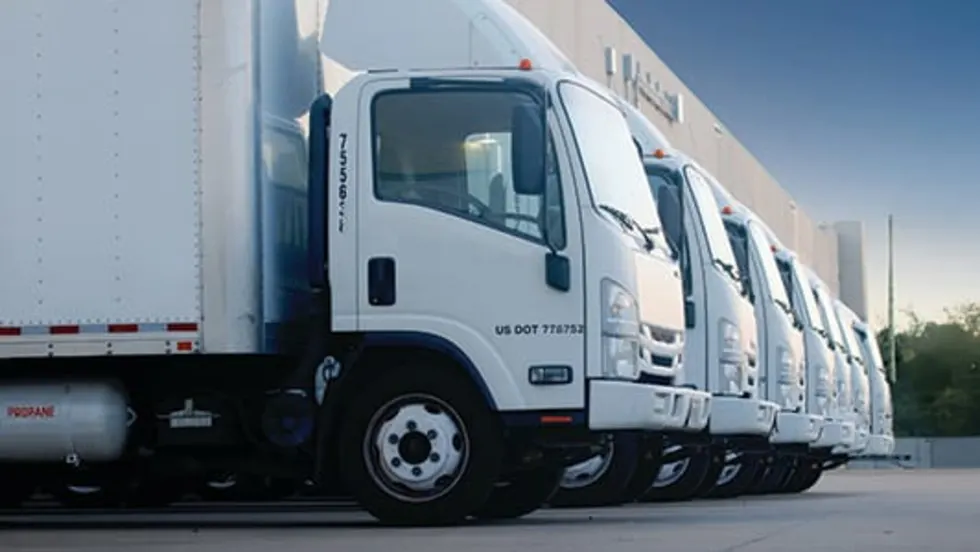
New Propane Autogas Program Offers Fleet Compensation
Qualified commercial fleets can receive $7,500 per eligible propane autogas vehicle and up to $10,000 for new refueling site prep. Learn how the program works and see whether your fleet qualifies.
Read More →
EV Charging Use Is Outpacing Infrastructure Growth
ChargePoint’s 2026 Charging Forward Report points to rising charger use, higher-powered charging, commercial vehicle electrification, and energy-management technology. Here’s what fleets should know.
Read More →
Merchants Fleet Reports 290M EV Miles as Fleets Navigate Changing Electrification Market
From millions in operating savings to hundreds of millions of EV miles, Merchants Fleet’s latest report reveals what’s working and what’s changing in fleet electrification.
Read More →
The EV Breakdown Nobody's Talking About: Why Most Electric Vehicle Roadside Calls Aren't Mechanical Failures
Here's why EV breakdowns are widely misunderstood.
Read More →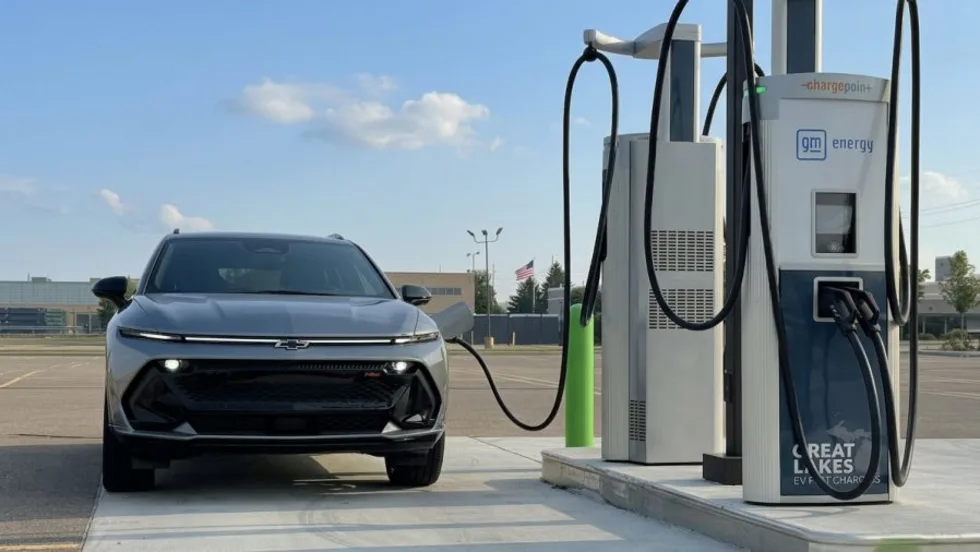
ChargePoint Now Available in Energy Pass
ChargePoint and additional planned charging network integrations were added to GM's Energy Pass.
Read More →
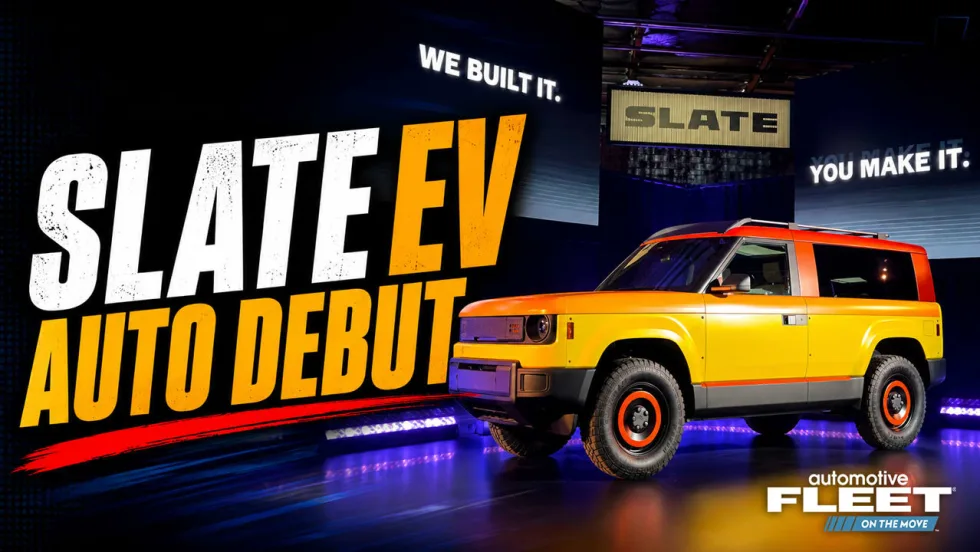
First Look: Slate Auto's Electric Fleet Pickup
Could an affordable, modular EV pickup make electrification more practical for fleets?
Read More →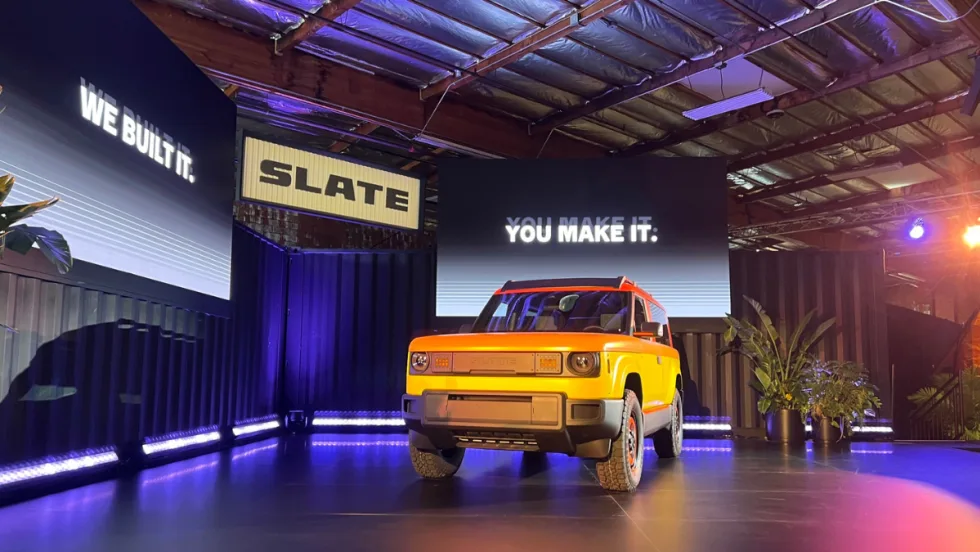
Slate Debuts Colorful, Unique EV Models
A recent media and client event, studded with electric vehicles dressed up on platforms, planted a new position for the manufacturer in the wider EV market. Fleets will find cost-saving advantages.
Read More →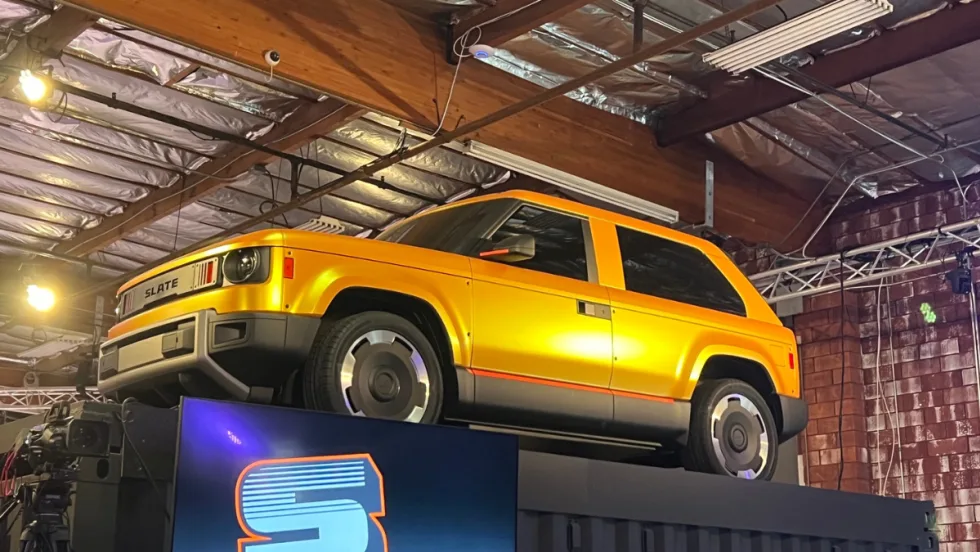
Slate Electric SUV, Pickup Switchable Model Aims For Light-Duty Fleets
Everything about this EV is counterintuitive and understated, making it stand out from the crowd.
Read More →
Inspiration Mobility Acquires Key Electrada Assets
Inspiration Mobility Group has acquired select assets of Electrada, adding the fleet electrification provider's team, technology, and charging infrastructure development capabilities to its energy management business.
Read More →