




Audi A3 TDI Completes First-Ever Extended Drive on RenDiesel Synthetic Fuel
HERNDON, VA - Two Audi A3 TDI models running on Rentech, Inc. synthetic RenDiesel fuel flawlessly completed the 1,000-mile "Eureka! Diesel Drives the Future," tour spanning the length of California.
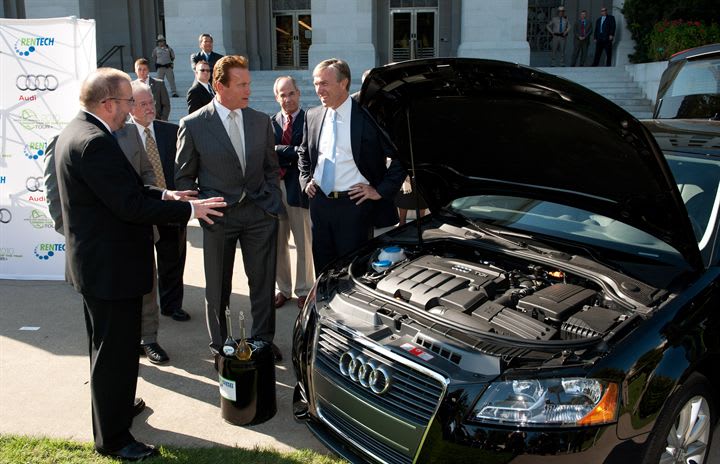
(L-R) Bradley Stertz, Lt. Governor Abel Maldonado, Governor Arnold Schwarzenegger and Hunt Ramsbottom attend the 'Eureka! Diesel Drives The Future' event, presented by Audi and Rentech on October 19, 2010 in Sacramento, California.
HERNDON, VA - Two Audi A3 TDI models running on Rentech, Inc. synthetic RenDiesel fuel flawlessly completed the 1,000-mile "Eureka! Diesel Drives the Future," tour spanning the length of California.
The endurance drive, part of the "2010 Green Car of the Year Tour," started in Eureka, Calif. Monday, Oct. 18 with the intent of demonstrating that today's diesel technology and advanced synthetic fuels each offer significant green advantages. Clean diesel engines can make significant contributions in the push to reduce greenhouse gas emissions and fuel consumption to make America less reliant on imported oil. Combining clean diesel technology with ultra-clean synthetic fuels can further reduce both greenhouse gases and tailpipe emissions.
Currently available in the market, the Audi A3 TDI provides environmental benefits by producing about 30-less less greenhouse gas than a car powered by a comparable gasoline engine, with up to 50-percent better fuel economy.
The potential of clean-burning synthetic diesel, such as RenDiesel, to produce even less emissions, indeed points to a bright future ahead for Audi TDI technology as a viable green solution.
"The benefits of modern clean diesels like the Audi A3 TDI are apparent on many levels, from improved environmental performance to providing the kind of driving performance people expect," said Ron Cogan, editor and publisher of Green Car Journal and editor of GreenCar.com. "Operating on advanced, clean burning fuels like synthetic RenDiesel simply makes the diesel equation even more compelling."
"We are proud to have partnered with Audi and Green Car Journal on this successful 1,000 mile journey which demonstrated that domestically produced synthetic RenDiesel is a viable solution today to reducing vehicle tailpipe and greenhouse gas emissions," said D. Hunt Ramsbottom, President and CEO of Rentech. "The environmental and performance benefits of RenDiesel seen while driving the Audi A3 TDI show promise for a clean diesel energy future," Ramsbottom added.
The two Audi A3 TDIs on the demonstration tour are representative of the clean diesel technology that earned the prestigious Green Car of the Year award at last year's Los Angeles Auto Show. The vehicles ran the entire route, from the farthest reaches of northern California to southern California, on Rentech's synthetic diesel fuel, expected to be produced in commercial quantities in a few years at the Company's new project in Rialto, California, that will produce synthetic diesel fuel from green waste and other organic materials diverted from landfills.
The RenDiesel fuel used on this drive was produced from natural gas at Rentech's demonstration plant in Colorado. RenDiesel can also be made from synthetic gas produced from biomass and waste resources. RenDiesel provides a viable solution that can be deployed to minimize the transportation sector's environmental impact. The renewable RenDiesel to be produced at Rentech's Rialto Project is expected to reduce GHG emissions on a lifecycle basis by as much as 97 percent over conventional diesel fuel and by a comparable amount over electric vehicles. A vehicle using RenDiesel is also expected to be as much as two times more fuel efficient than one running on ethanol. RenDiesel contains approximately 60-percent more energy per gallon than ethanol and diesel engines typically achieve 20-40 percent more miles per gallon than gasoline engines. RenDiesel also produces fewer volatile organic compound (VOC) emissions than ethanol or traditional diesel.
Throughout the "Eureka! Diesel Drives the Future" demonstration drive, one of the Audi A3 TDIs achieved 39.7 mpg on average, while the other car averaged 43 mpg. The Audi A3 TDI has an EPA average highway fuel economy rating of 42 mpg on traditional clean diesel fuel. The results were promising, demonstrating that RenDiesel synthetic fuel can operate for more than 1,000 miles with no noticeable differences in performance compared to traditional fuels, and research is planned to confirm that this performance can persist over the full lifecycle of vehicles such as the Audi A3.
More Fuel

Turning Fleet Payment Data into Executive Insights
Ramel Lindsay of U.S. Bank Voyager discusses how fleets can transform payment and transaction data into actionable intelligence to reduce costs, improve oversight, and support executive decision-making.
Read More →
Why the IRS Raised Its Mileage Rate in the Middle of 2026
Fuel-price volatility drove the rare increase to 76 cents per mile, the fifth midyear adjustment since 2000.
Read More →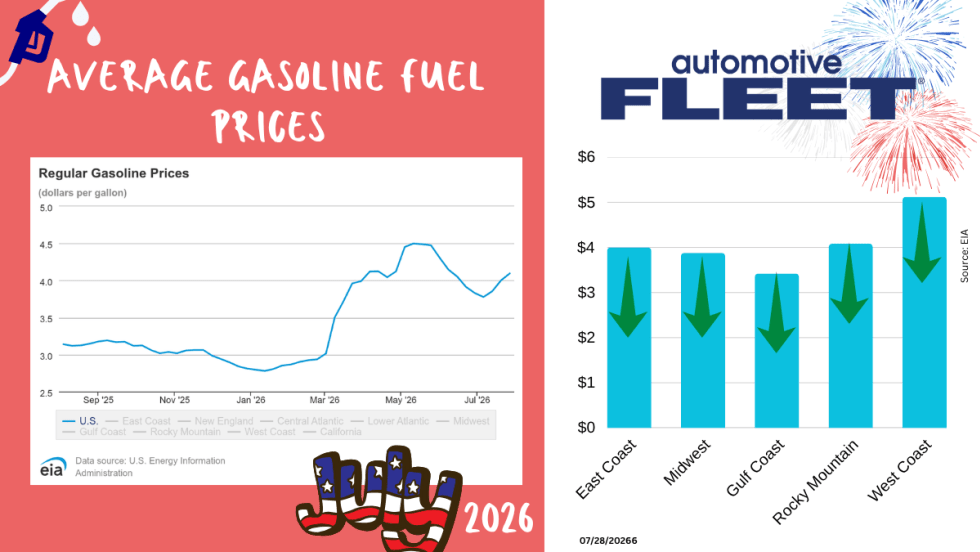
July Fuel Update: Prices Keep Rising in Light of More Conflict
Gas prices continue to rise as more and more conflicts do, too.
Read More →
Bob Adamsky on Fuel Volatility: "Don't Panic, Have a Plan."
When it comes to up and down fuel prices, Adamsky has a message for fleets: “Don’t panic.”
Read More →
How Fleets Can Gain Control of Non-Fuel Spend
Fuel often gets the spotlight, but non-fuel expenses can have a major impact on fleet costs. Ramel Lindsay of U.S. Bank Voyager discusses how fleets can gain better visibility and control over these often-overlooked expenditures.
Read More →
Fuel is Just the Start: How Middle East Tensions are Driving Up Fleet Maintenance Costs
The Middle East conflict is doing more than pushing up fuel prices. It’s also raising the cost of key maintenance products your fleet depends on, from motor oil to tires to windshield wipers. Here’s what you need to know about this budget-busting situation.
Read More →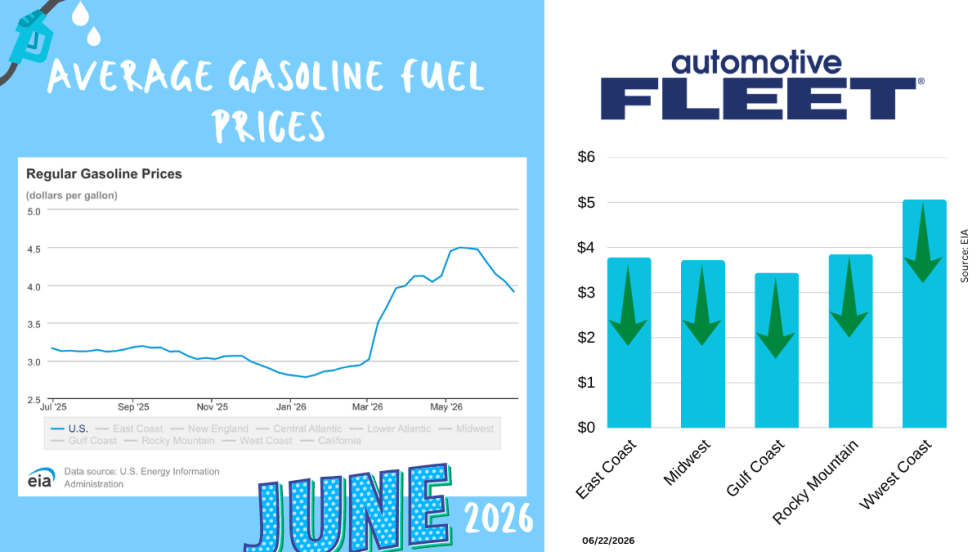
June Fuel Update: Prices Fall Below $4
Drivers are finally getting some relief at the pump. The national average gas price has dropped below $4 a gallon for the first time in months, with prices falling in 47 states as oil markets react to developments in U.S.-Iran negotiations.
Read More →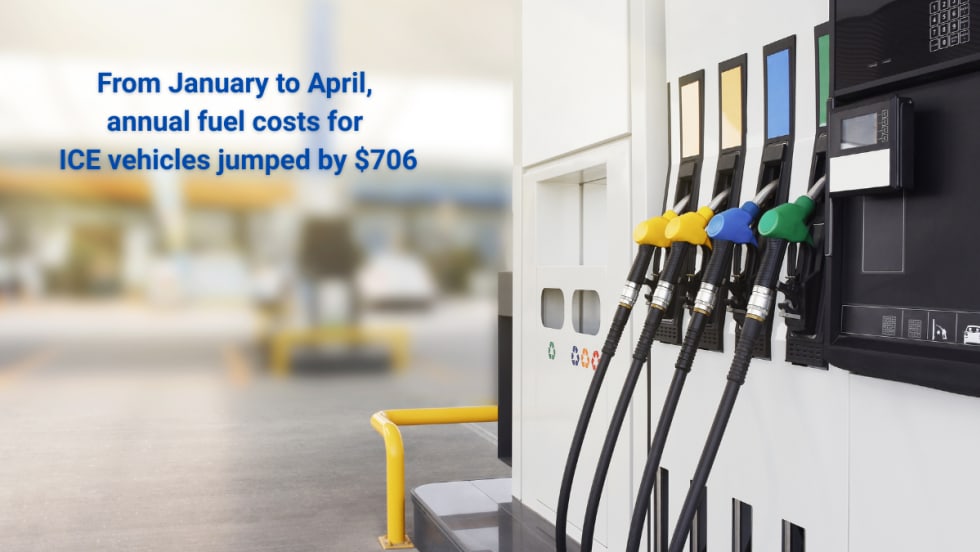
Study: How 2026's Gas Price Hikes Affect Different Vehicle Types
New data from iSeeCars reveals how rising fuel costs have affected different vehicle segments as gasoline prices climbed nearly 46% over the past four months.
Read More →
Are You Tracking Your Fleet's True Total Cost of Ownership?
Bobit Business Media surveyed 190 fleet professionals and found that while most fleets are tracking costs, fragmented systems and data gaps are keeping true TCO visibility out of reach. With rising pressure to control spend in an increasingly volatile environment, the gap between what fleets think they know and what the data actually shows is wider than you might expect. See how your peers are managing costs today and where the industry still has room to improve.
Read More →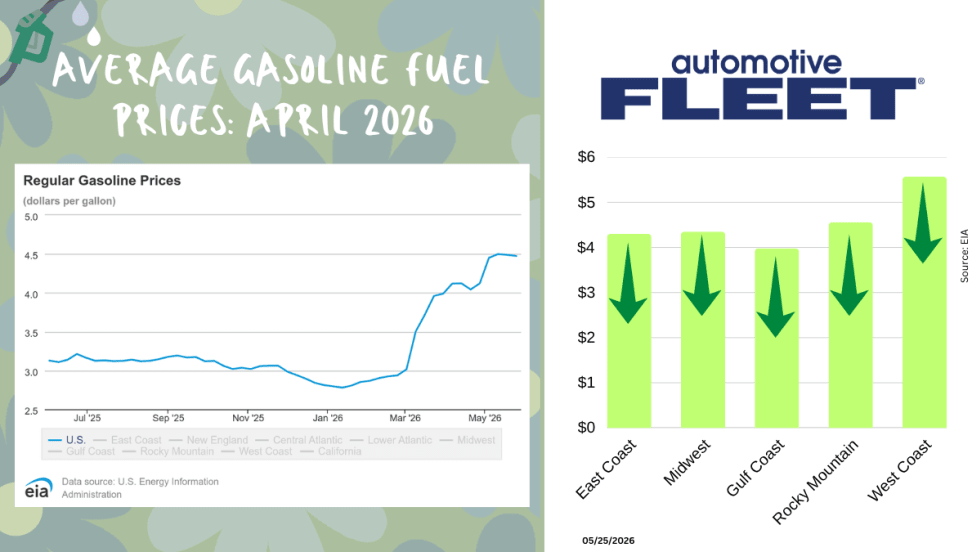
May Fuel Update: All Regions Experience Declines
Gas prices are finally easing in much of the country, but experts warn global tensions could quickly reverse the trend as the national average remains well above last month’s levels.
Read More →