





2024 Look Back: Auction Activity Sends Positive Signals
Auctioned Vehicle Sales Up Amid Growing Market Uncertainties
CAR 2025: A stirring combination of lower off-lease supply, constrained inventory, rental-fleet right-sizing, muted wholesale prices, and record EV sales are all contributing to an overall market still trying to catch up to pre-pandemic levels.
March 27, 2025

Larry Dixon, the vice president of auction data solutions for AuctionNet, the data and analysis arm of the National Auto Auction Association, delivered the annual State of the Auction Industry presentation on March 19, 2025, at the Conference of Automotive Remarketing in San Diego.
Photo: Ross Stewart / Stewart Digital Media
5 min to read
The annual State of the Auction Industry Report delivered a stream of data that indicates growth in the automotive remarketing sector despite brewing variables yet to be fully defined or tamed.
“The automotive industry is never short on interesting things to analyze and to talk about, and this year, that is certainly the case,” said Larry Dixon, the vice president of auction data solutions for AuctionNet, the data and analysis arm of the National Auto Auction Association. “I thought we were kind of moving into a period where things would be a little bit more predictable or a little bit more stable. That's not the case right now, so we have something of a wait in seeing how factors play out in six months.”
Dixon delivered AuctionNet annual metrics and insights on March 19 during the Conference of Automotive Remarketing in San Diego.
The core data relevant to vehicle remarketers included:
The 2024 National Auto Auction Association member auction survey showed that 55% of members responded, with 7.6 million units sold, up 3% from the previous year. About 340 auctions belong to the NAAA.
The gross vehicle sales value was $105 billion, “a huge number.”
The annual conversion rate increased to 60.7%.
The average price per unit fell by 8%, but prices are still 20%-23% below 2019 levels. Commercial sales grew by 20%, while dealer sales were flat.
Wholesale prices are expected to rise modestly, influenced by consumer confidence and off-lease supply, which is down by more than 40%.
Auction Net Sales and Market Trends
Auction Net sales were up by over 9% last year, with 80% of NAAA auctions reporting to AuctionNet.
Sales were up by 4.4% year-to-date, driven primarily by commercial sales.
Dealer sales are not expected to see much growth this year due to off-lease volume being down.
Dealers are expected to hold onto trade-ins due to the constrained inventory environment.
Commercial and Retail Sales Trends
New vehicle sales in commercial fleets fell off dramatically several years ago but picked up in 2023 and 2024.
Total commercial sales were down slightly in 2024 compared to 2023, with rental sales up only slightly.
Retail sales were up, but trade-ins may be held onto by dealers due to quality concerns.
The supply of late-model inventory is down, but sales of vehicles up to three years old increased by almost 12% last year.
EV Sales and Market Dynamics
EV sales through AuctionNet increased by 75% last year, with Tesla vehicles accounting for almost 60% of the total.
Commercial sellers were responsible for three-quarters of EV sales at auction last year.
In February 2025, EV sales exceeded 10,400 units, up 45% year-over-year.
The retained value of EVs is much lower than that of hybrids, posing challenges for lenders and consumers.
Wholesale Price Trends and Future Outlook
Wholesale prices generally increase over the first quarter as consumers use tax refund checks to buy vehicles.
Wholesale prices grew by over 2% from January through March last year, compared to over 6% in 2023.
The increase in wholesale prices this year is expected to be more muted due to the consumer outlook, and tariff impacts.
Off-lease supply is estimated to be down by over 40% this year, affecting wholesale supply trends.
Auction Sales Analysis and Commentary:
Dixon delved into these insights gleaned from the data:
Future of Wholesale Prices: “Wholesale prices were certainly more muted last year than what we saw in 2023. I think deals were just a little too exuberant, and we're still stuck on the fact that used vehicles have been appreciating beyond normal levels. This year, we'll have to see how things shake out. Where do we end up? Will we hit 2% or will move higher than that. We could be less than that. The degree to which they rise will be influenced by the consumer outlook as it relates to not only the actual effect of tariffs, and the psychological impact that they have on consumer confidence, which has really taken a big step back. Trends in wholesale supply, including off lease supply, will be down quite substantially this year. S&P Global is reporting that off lease supply is estimated to be down by over 40% this year.”
Highpoints for Electric Vehicles: “Commercial sellers were responsible for three quarters of the EVs that were sold at auction last year, so I think a lot of rental EV units were sold at auction last year, as well as some off lease volume too. In February, we see that EV sales exceed 10,400 units, which is close to the high watermark that we've reported for EV sales at auction so far, plus 45% year over year again. That rate of growth will remain high, but it will start to go down as time passes, just as EV sales in the secondary market normalize in pricing or value retention.”
Inventory Outlook: “We know that we're in a constrained inventory environment. Of course, dealers will smartly leverage several different avenues to acquire inventory. NAAA, auctions are one of the primary means in which they do acquire inventory.”
Used Vehicle Affordability: “Pre pandemic, we were selling 10 million vehicles at auction, rather than the 7.3 million that we recorded last year. That’s probably not a surprise to anyone in this room, but the average price per unit fell by just over 8% last year. In a way, that's a good thing, particularly from an affordability standpoint. It makes used vehicles a little bit more achievable, or affordable for retail consumers. But prices are still off by about 20%-23% relative to 2019, so we still have a ways to go.”
Two- and Three-Year-Old Vehicle Sales Trends: “Based on what we've gone through in the past couple of years in new vehicle sales and new lease originations, late model inventory is down. Vehicles up to three years old are down substantially compared to where we were pre-pandemic. But we did see a good bump last year. For sales of vehicles up to three years old, sales were up by almost 12% via auction data year over year. In February, they were up by another 10.2% but that's primarily driven by two-year-old volume, rather than three-year-old volume. That two-year-old volume is predominantly going to be rental vehicles.”
Rental Fleet Sizing: “It looks like rental companies are not only remarketing vehicles they had in their fleets, but including the increased number of vehicles they were able to acquire over the last couple of years. They're also trying to right size their fleets based on the current state of rental business and consumer demand.”
More Remarketing
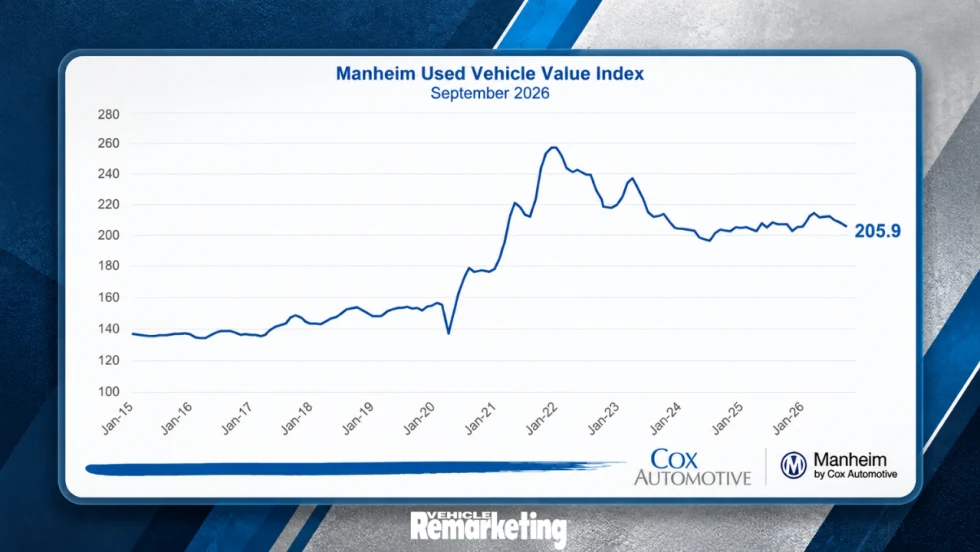
Wholesale Used-Vehicle Values Fall as Cox Automotive Cuts 2026 Forecast
Wholesale used-vehicle prices declined in September as depreciation accelerated, prompting Cox Automotive to lower its year-end forecast.
Read More →
FLD Promotes Three Executives in Leadership Changes
FLD has promoted three longtime executives, naming Gary Mott CEO, Richard Mallek president, and Ron Sanders managing partner.
Read More →
Ford Pro Launches Certified Pre-Owned Program for Commercial Vehicles
Ford Pro Advantage will offer certified pre-owned Class 1-7 commercial vehicles through more than 700 Ford Pro Commercial Vehicle Centers.
Read More →
Copart to Acquire ACV in $1.9 Billion Deal
The acquisition would expand Copart beyond its traditional salvage business into dealer-to-dealer wholesale remarketing while adding ACV’s vehicle data, inspection, and valuation technology.
Read More →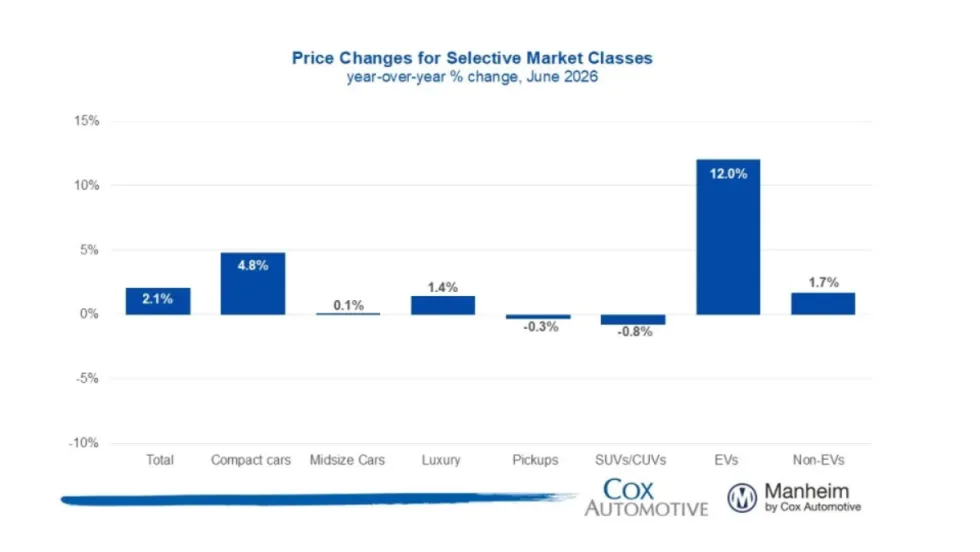
Manheim Index Shows Used-Vehicle Wholesale Prices Up 2.1% in June
The market is seeing stronger appreciation in older used vehicles this year, and the most affordable segments have been among the year’s best performers.
Read More →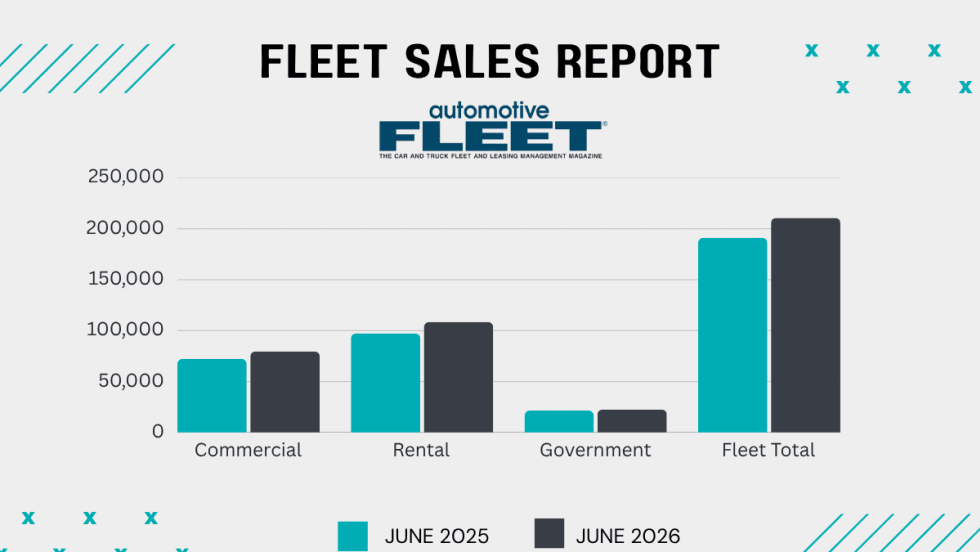
Commercial Fleet Sales Contribute To June, YTD Gains
The fleet sector has boosted its vehicle purchases at a reliable pace in the first half of this year compared with 1H 2025.
Read More →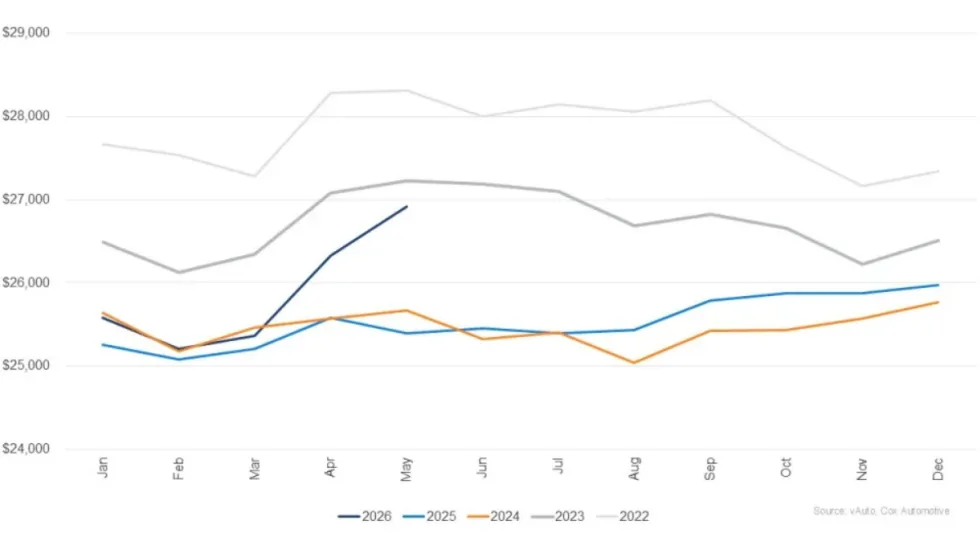
Used Vehicle Prices Climb Higher As Sales Pace Slows
The higher prices at used retail reflect strong wholesale values earlier in the spring, particularly for older, more affordable vehicles.
Read More →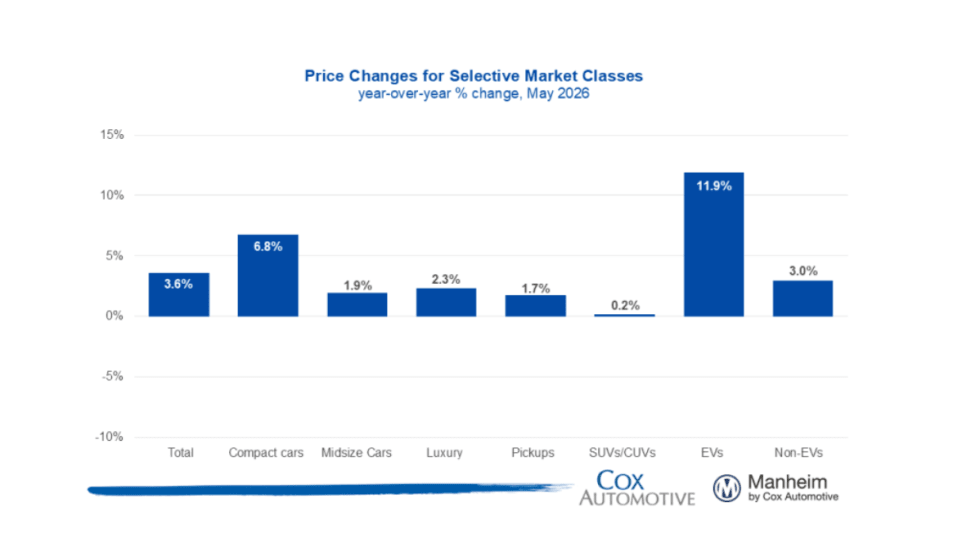
Wholesale Used Vehicle Market Sustains Moderate Rise In Values, Prices
Trends continue to normalize after a strong start to the year, as consumers contend with higher gas prices in the coming summer months.
Read More →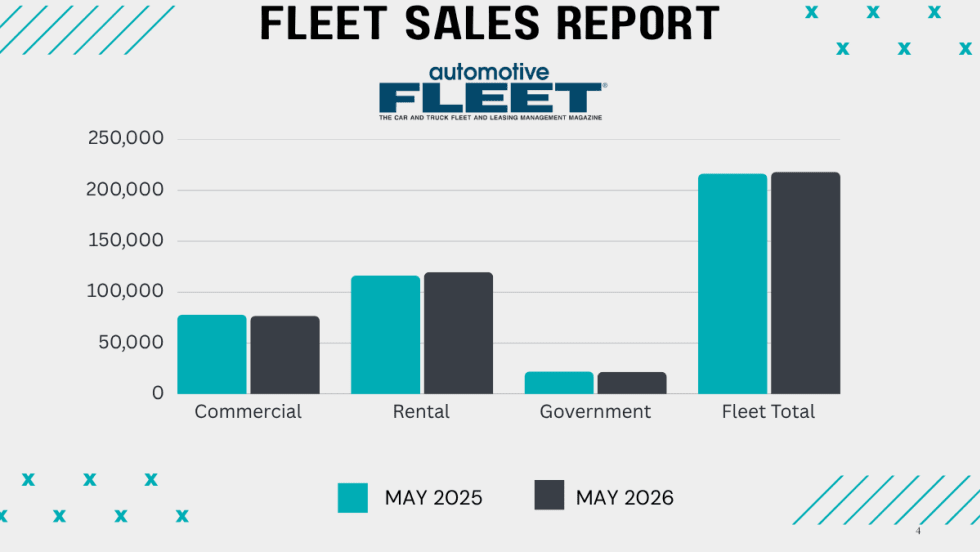
Commercial Fleet Sales Still Lead Sectors Despite May Mini Dip
The U.S. economy's continued growth and positive business investment are creating a favorable environment for fleet vehicle demand.
Read More →
How Connected Vehicle Data Is Lifting Fleet Resale Values
A vehicle health score could improve the value of fleet vehicles at remarketing. The path to a universal standard is forming, and fleets that understand the process early will be better positioned when it arrives.
Read More →