




AT&T to Convert 600 Vehicles to CNG
DALLAS - BAF Technologies, a provider of natural gas vehicle upfits, will help AT&T convert 600 Ford E-Series vans to CNG technology in 2009.
DALLAS - On June 30, AT&T and Dallas-based BAF Technologies announced the conversion of vehicles purchased by AT&T to compressed natural gas (CNG) is underway. BAF Technologies, a provider of natural gas vehicle upfits, will convert 600 Ford E-Series vans to CNG technology in 2009.
AT&T expects to spend an estimated $350 million to purchase about 8,000 CNG vehicles as part of a $565 million, long-term strategy to deploy more than 15,000 alternative-fuel vehicles over the next 10 years. AT&T's investment represents the largest U.S. corporate commitment to CNG vehicles to date. The new deployments will bring AT&T's alternative-fuel fleet to more than 15,000 vehicles by 2019.
"AT&T's commitment to alternative-fuel vehicles reflects our long-term goal to minimize dependence on imported sources of fuel and explore new automotive technologies," said Charlene Lake, AT&T chief sustainability officer. "Together with BAF Technologies, we hope this initiative helps boost other industries, while at the same time signaling demand for the production of more fuel-efficient vehicles."
The vehicles will utilize the BAF CapComp System, a proprietary CNG fuel system certified by the EPA. CNG vehicles are expected to emit approximately 25 percent less greenhouse gas emissions than those traditionally powered by gasoline.
"Not only will the new vehicles operate on domestic fuel, they also will be among the cleanest vehicles on the road. This program will soon be the standard other companies will follow," said John Bacon, BAF Technologies president.
The Center for Automotive Research (CAR) in Ann Arbor, Mich., estimates that for the years AT&T's fleet purchase program is operating, more than 1,000 jobs in the United States will be created or saved.
"I'm honored to stand with AT&T and BAF Technologies, two American businesses doing their part during tough economic times to help lessen our country's reliance on imported oil and create demand for more fuel-efficient vehicles. This announcement is good for business, good for the environment, and good for our economy," said U.S. Rep. Joe Barton.
In addition to the economic benefits, CAR estimates the new vehicles will save 49 million gallons of gasoline and reduce carbon emissions by 211,000 metric tons over the 10-year deployment period. That is equivalent to removing the emissions from more than 38,600 traditional passenger vehicles for a year.
"When companies of AT&T's stature make a commitment to low-emission fuels in an effort to cut down on the emissions polluting our air, others are sure to follow," said Texas Rep. Rafael Anchia.
AT&T will work with natural gas service providers to build up to 40 new CNG fueling stations across its operating region to provide the fueling infrastructure needed for the new vehicles.
In addition to deploying CNG vehicles, AT&T has committed to replacing retiring gasoline-powered passenger vehicles in its fleet with alternative-fuel models. AT&T expects to replace 7,100 passenger cars over the next 10 years. The alternative-fuel vehicles, which will be used by employees in a variety of diverse work functions across AT&T's operations, are expected to offer up to a 39 percent improvement in fuel economy and to reduce greenhouse gas emissions by up to 29 percent.
During the initial phase of the deployment, gasoline-powered passenger vehicles will be replaced with hybrid models. As technologies evolve, additional alternative-fuel vehicle types will be considered for inclusion. A Green Technology insignia will make AT&T's alternative fuel vehicles easy to identify on the road.
The new CNG/passenger vehicle commitment follows AT&T's deployment of 105 alternative-fuel vehicles in more than 30 U.S. cities beginning in June 2008. In addition, AT&T piloted four Ford Escape hybrids, which were deployed in late 2007 in California.
Through these successful pilot programs, AT&T has learned that a mix of solutions is right for its fleet and that multiple technologies can help reduce its operating costs over time, while effectively reducing its fuel consumption and impact on the environment.
In addition to taking steps to make its fleet more efficient, AT&T is committed to helping its customers make their commercial fleets more efficient via a portfolio of fleet management products and services. Using AT&T's nationwide mobile broadband network and GPS partner solutions, AT&T provides fleet managers with the ability to actively manage their vehicles, increase efficiency and reduce fuel and insurance costs. Nearly all of AT&T's own technician vehicles are equipped with similar GPS capabilities, which have provided increased visibility into business operations and allowed AT&T to uncover opportunities to improve efficiency and reduce costs.
To view this announcement live, visit www.att.com/public-policy. More information about AT&T's sustainability efforts is available at www.att.com/sustainability.
More Green Fleet

Merchants Fleet Reports 290M EV Miles as Fleets Navigate Changing Electrification Market
From millions in operating savings to hundreds of millions of EV miles, Merchants Fleet’s latest report reveals what’s working and what’s changing in fleet electrification.
Read More →
The EV Breakdown Nobody's Talking About: Why Most Electric Vehicle Roadside Calls Aren't Mechanical Failures
Here's why EV breakdowns are widely misunderstood.
Read More →
ChargePoint Now Available in Energy Pass
ChargePoint and additional planned charging network integrations were added to GM's Energy Pass.
Read More →

First Look: Slate Auto's Electric Fleet Pickup
Could an affordable, modular EV pickup make electrification more practical for fleets?
Read More →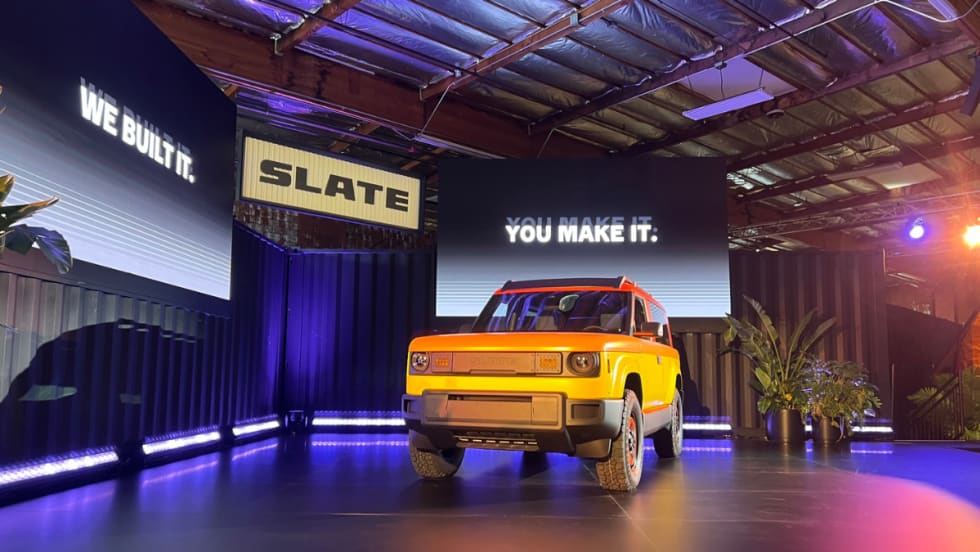
Slate Debuts Colorful, Unique EV Models
A recent media and client event, studded with electric vehicles dressed up on platforms, planted a new position for the manufacturer in the wider EV market. Fleets will find cost-saving advantages.
Read More →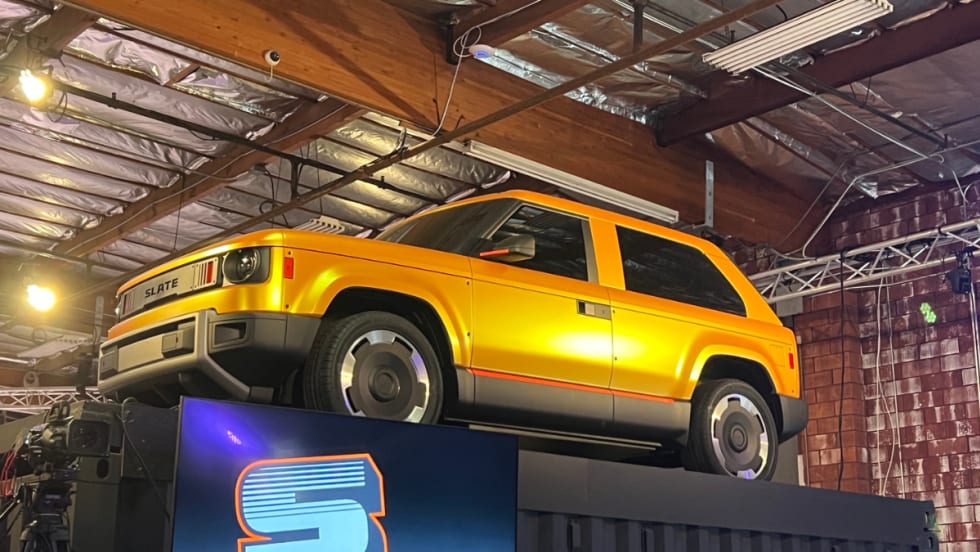
Slate Electric SUV, Pickup Switchable Model Aims For Light-Duty Fleets
Everything about this EV is counterintuitive and understated, making it stand out from the crowd.
Read More →
Inspiration Mobility Acquires Key Electrada Assets
Inspiration Mobility Group has acquired select assets of Electrada, adding the fleet electrification provider's team, technology, and charging infrastructure development capabilities to its energy management business.
Read More →
Turning Connected Vehicle Data Into Decisions That Matter
Fleet leaders have more data than ever, but turning that data into clear, actionable decisions remains a challenge. This white paper shows how leading organizations are using connected vehicle data to improve safety, reduce costs, and optimize fleet performance. Learn how to turn insight into action across your fleet.
Read More →
Are You Tracking Your Fleet's True Total Cost of Ownership?
Bobit Business Media surveyed 190 fleet professionals and found that while most fleets are tracking costs, fragmented systems and data gaps are keeping true TCO visibility out of reach. With rising pressure to control spend in an increasingly volatile environment, the gap between what fleets think they know and what the data actually shows is wider than you might expect. See how your peers are managing costs today and where the industry still has room to improve.
Read More →