




AT&T Kept Fleet Running Post-Sandy With Fuel Trucks and Special Modules for CNG Vehicles
TORRANCE, CA Post-Sandy, AT&T emergency response plan helped ensure access to fuel for its traditional and compressed natural gas-fueled fleet vehicles and for its employees.
TORRANCE, CA – When major storms and other natural disasters strike, many companies have to spring into action to restore service to their customers. AT&T is no different, and the company told Automotive Fleet about how its fleet was able to overcome a range of obstacles in the wake of super storm Sandy in the northeastern U.S.
AT&T said the key challenges it faced included the loss of commercial power, limited access to retail fueling, and the inability to dispatch service vehicles due to flooding, debris, and road closures in some areas. The company said it was able to deal with these challenges because it had an emergency plan in place.
“AT&T conducts readiness drills and simulations throughout the year to ensure our networks are prepared and our personnel are ready to respond at a moment's notice,” said a company spokesperson. “Due to the planning and execution on the front end, we were well prepared to respond to these challenges, including having generators staged for deployment and fuel supplies lined up to keep our fleet rolling. These were all critical factors in our ability to relatively in short order get to a level of having 99 percent of our cell sites up and running across the impacted region.”
One method the company used to ensure its vehicles had fuel was to secure and deploy 80 fuel trucks to bring in fuel supplies from outside the storm-hit region. AT&T used the fuel to keep its vehicles and generators going. The company also deployed more than 3,000 generators throughout the northeast to bring power to its cell sites, central offices, and other facilities.
One unique challenge that AT&T said it faced was fueling its compressed natural gas-fueled vehicles. The company operates 244 CNG service vehicles in Connecticut, and the company had to implement its emergency CNG fueling plan to ensure these vehicles could continue to operate.
“This emergency plan included the deployment of two Gas Transport Modules (GTMs), each containing 900 gasoline gallon equivalents (GGEs) of CNG,” the spokesperson said. “We quickly had the GTM's in service following the storm making landfall, and kept them up until power was restored at the impacted retail fueling stations.”
Beyond ensuring its drivers were able to fuel up company fleet vehicles, AT&T also made fuel available to its employees for purchase in hard-hit areas of New York and New Jersey as many employees crucial to service restoration efforts needed fuel to get to and from work.
“The initiative is designed to help relieve some of the hardships for our employees and is just one of a number of efforts underway to assist those performing jobs ranging from taking service calls or helping customers get their phones charged in our retail stores, to working on restoration of the network,” the spokesperson said.
By Nov. 15, the company said its operations were back to normal in the region.
“By executing on our well-rehearsed emergency plans before the storm actually hit, we were as prepared as possible to deal with two of the top issues from a storm for our fleet, which are fuel supply and power supply,” the spokesperson said.
By Greg Basich
More Fuel
Fuel Prices Surge in September | September Fuel Update
September brought major fuel price swings, including diesel crossing $6 a gallon. Here’s how gas and diesel prices changed throughout the month, and where they stood heading into October.
Read More →
Turning Fleet Payment Data into Executive Insights
Ramel Lindsay of U.S. Bank Voyager discusses how fleets can transform payment and transaction data into actionable intelligence to reduce costs, improve oversight, and support executive decision-making.
Read More →
Why the IRS Raised Its Mileage Rate in the Middle of 2026
Fuel-price volatility drove the rare increase to 76 cents per mile, the fifth midyear adjustment since 2000.
Read More →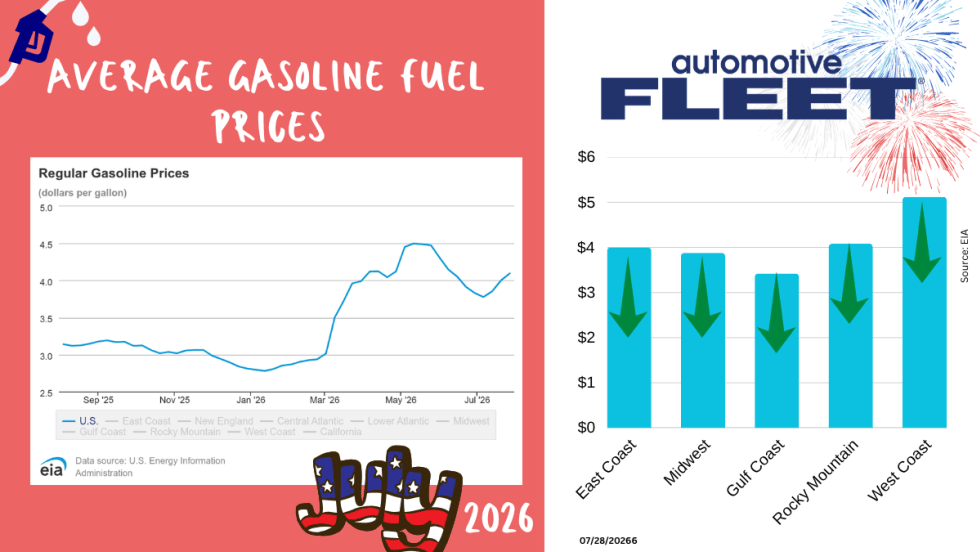
July Fuel Update: Prices Keep Rising in Light of More Conflict
Gas prices continue to rise as more and more conflicts do, too.
Read More →
Bob Adamsky on Fuel Volatility: "Don't Panic, Have a Plan."
When it comes to up and down fuel prices, Adamsky has a message for fleets: “Don’t panic.”
Read More →
How Fleets Can Gain Control of Non-Fuel Spend
Fuel often gets the spotlight, but non-fuel expenses can have a major impact on fleet costs. Ramel Lindsay of U.S. Bank Voyager discusses how fleets can gain better visibility and control over these often-overlooked expenditures.
Read More →
Fuel is Just the Start: How Middle East Tensions are Driving Up Fleet Maintenance Costs
The Middle East conflict is doing more than pushing up fuel prices. It’s also raising the cost of key maintenance products your fleet depends on, from motor oil to tires to windshield wipers. Here’s what you need to know about this budget-busting situation.
Read More →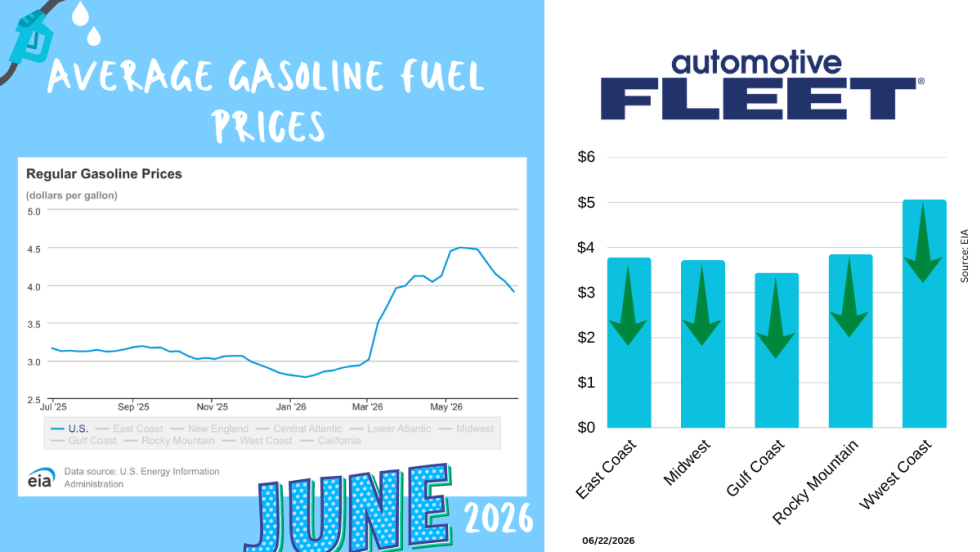
June Fuel Update: Prices Fall Below $4
Drivers are finally getting some relief at the pump. The national average gas price has dropped below $4 a gallon for the first time in months, with prices falling in 47 states as oil markets react to developments in U.S.-Iran negotiations.
Read More →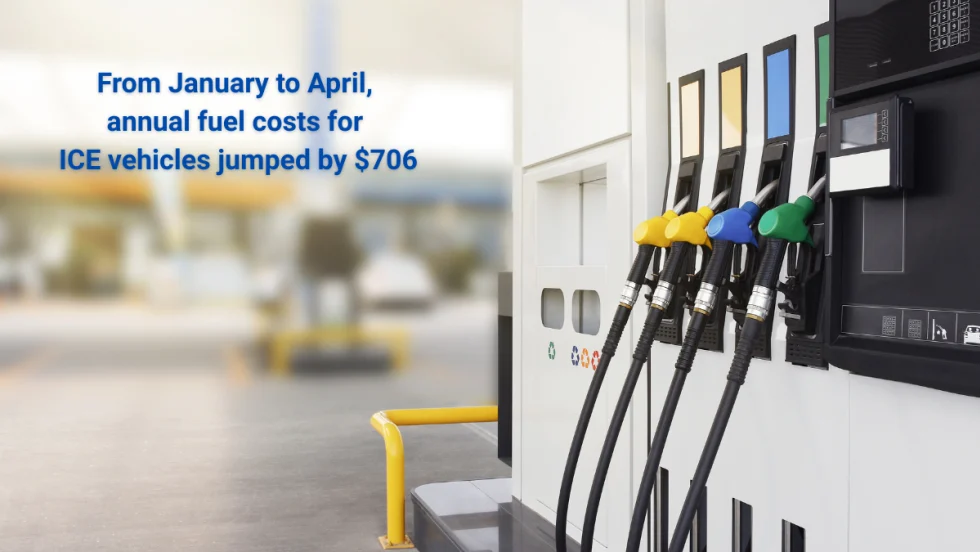
Study: How 2026's Gas Price Hikes Affect Different Vehicle Types
New data from iSeeCars reveals how rising fuel costs have affected different vehicle segments as gasoline prices climbed nearly 46% over the past four months.
Read More →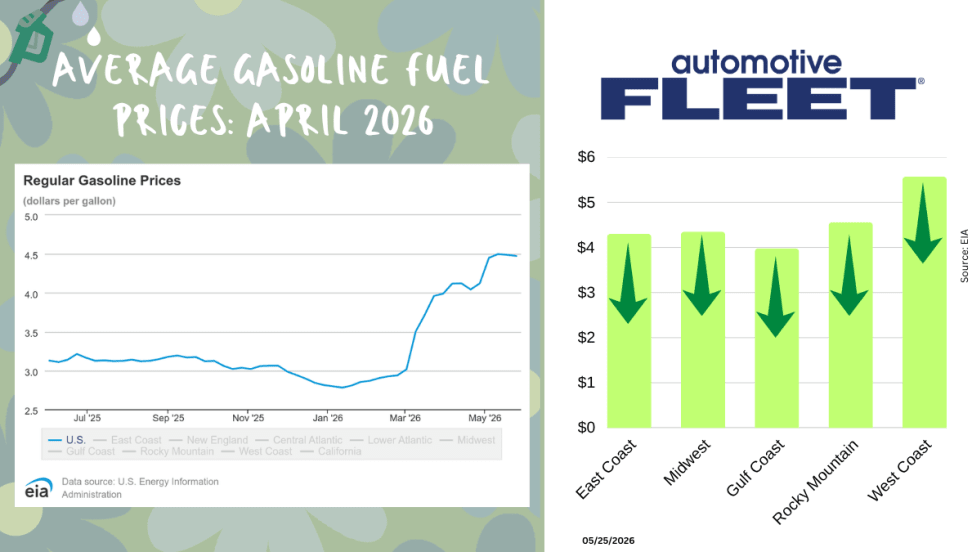
May Fuel Update: All Regions Experience Declines
Gas prices are finally easing in much of the country, but experts warn global tensions could quickly reverse the trend as the national average remains well above last month’s levels.
Read More →