





Further Reading: Arval Increases UK and Global Fleet Orders By 15% During Pandemic
Arval Helps Fleets Electrify by Widening Traditional Choice Lists
Arval is restricting access to replacement petrol and diesel cars and nudging drivers towards zero-emission vehicles while also offering more vehicle brands than ever before.
February 22, 2022

Arval UK is helping fleet electric vehicle (EV) adoption by implementing ‘nudge’ policies.
Getty
2 min to read
Arval is assisting the decarbonization of UK car fleets through what it terms ‘nudge’ policies.
The nudge concept is a way of influencing behavior through a series of choices that push people towards certain outcomes.
According to the UK leasing provider, it is restricting access to replacement petrol and diesel cars and nudging drivers towards zero-emission vehicles.
What’s more, to speed up delivery times and overcome current industry-wide vehicle shortages, drivers are being offered a wider choice of vehicle brands than before.
“We are at a point in time where there is considerable demand for EVs from fleets who are working towards net zero targets," says Ben Edwards, Arval UK Consultant, "and also from their drivers who want to minimize their benefit-in-kind tax bill."
“However a potential barrier to adoption is that large numbers of fleets operate policies which are limited to specific manufacturers. This approach used to work well by concentrating buying power and simplifying choice lists, but really doesn’t offer drivers enough choice in the range of models which are available in the current EV market.
“What we have successfully been advising fleets to do is to keep manufacturer badge restrictions in place for petrol, diesel, and plug-in hybrid models, but open them up partially or completely when it comes to EVs—and this is something that has been working well.”
The issue has been particularly acute in the jobs-needs fleet sector. Whereas directors and senior staff have access to a broad range of premium brands, lower down the grade scale, vehicle selection is more limited.
Edwards continued: “By opening up choice lists, we are seeing some manufacturers make inroads into the fleet sector who have not necessarily been part of the core company car market in the past but are now able to provide strong EV models with comparatively good supply.”
He added that Arval UK’s advice on EVs and choice lists consciously followed a policy of making electrification as simple as possible for fleets.
“As a company, we’ve consciously adopted a core message that EV adoption is simple, showing that if you look at whole life costs, an electric car is not only practical from an operational point of view—saving your driver considerable amounts in tax—but it also makes sense for the organization, as whole life costs of EVs are often lower than a petrol or diesel equivalent. It’s all about making the electrification process both easy and effective.”
More Green Fleet
Sponsored•October 1, 2026
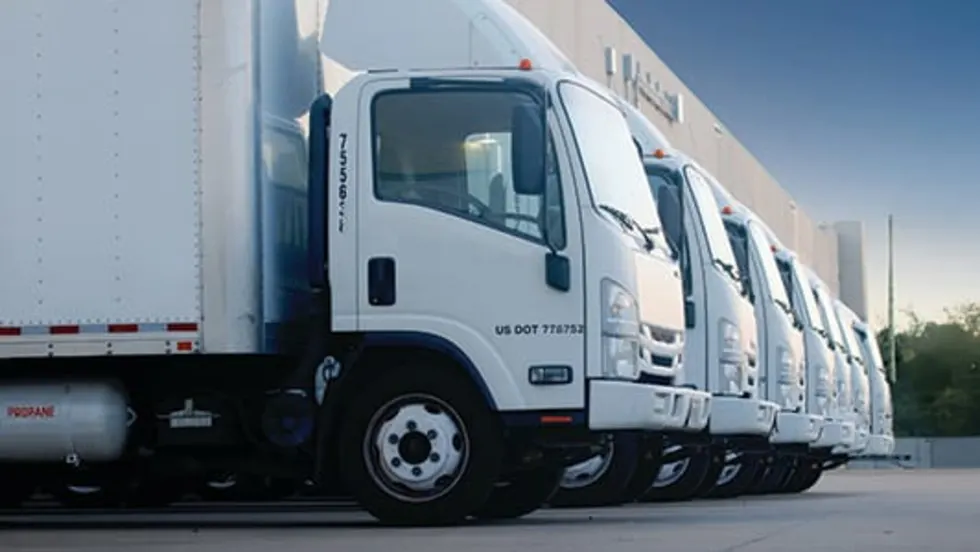
New Propane Autogas Program Offers Fleet Compensation
Qualified commercial fleets can receive $7,500 per eligible propane autogas vehicle and up to $10,000 for new refueling site prep. Learn how the program works and see whether your fleet qualifies.
Read More →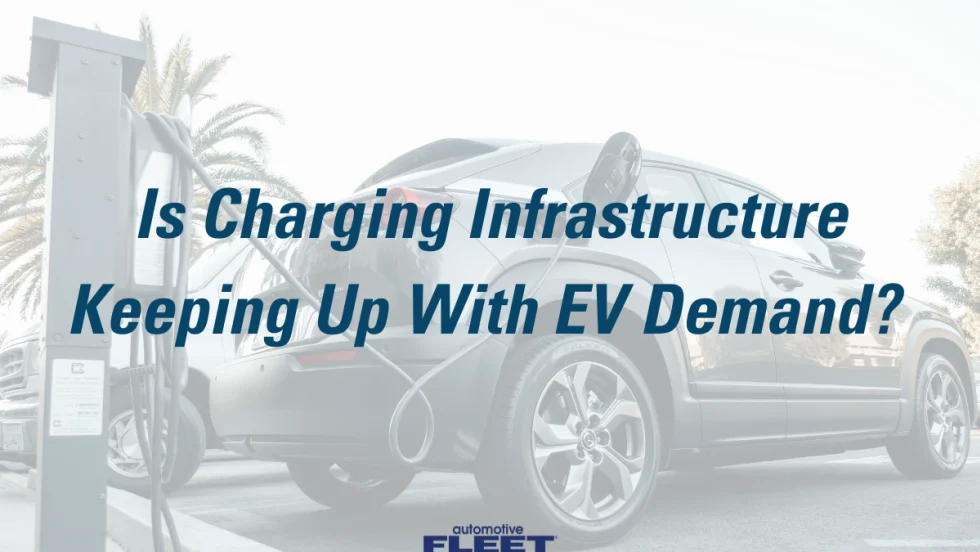
EV Charging Use Is Outpacing Infrastructure Growth
ChargePoint’s 2026 Charging Forward Report points to rising charger use, higher-powered charging, commercial vehicle electrification, and energy-management technology. Here’s what fleets should know.
Read More →
Merchants Fleet Reports 290M EV Miles as Fleets Navigate Changing Electrification Market
From millions in operating savings to hundreds of millions of EV miles, Merchants Fleet’s latest report reveals what’s working and what’s changing in fleet electrification.
Read More →
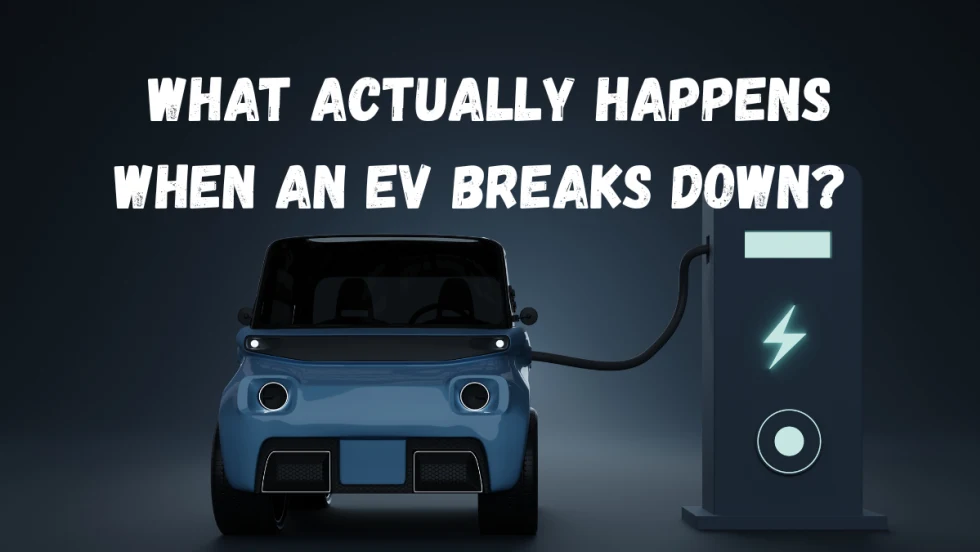
The EV Breakdown Nobody's Talking About: Why Most Electric Vehicle Roadside Calls Aren't Mechanical Failures
Here's why EV breakdowns are widely misunderstood.
Read More →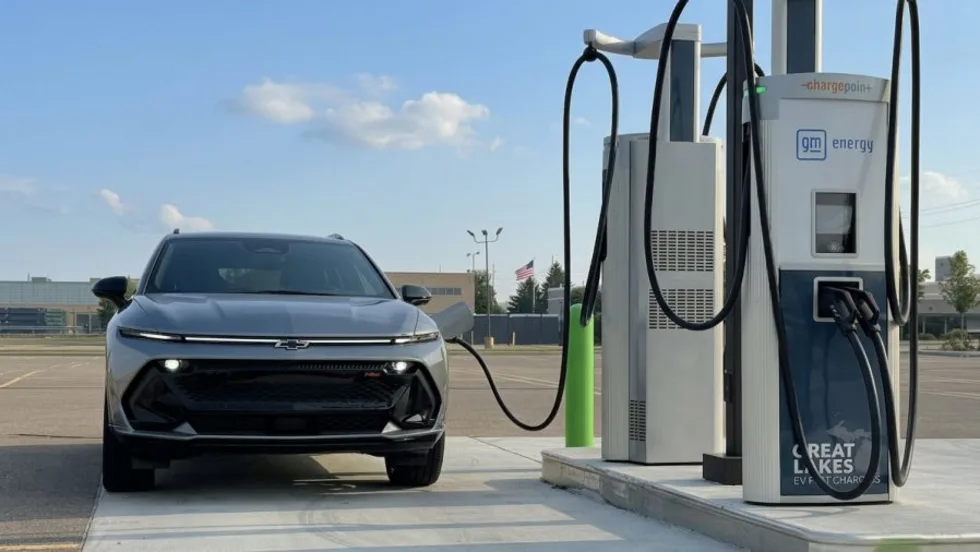
ChargePoint Now Available in Energy Pass
ChargePoint and additional planned charging network integrations were added to GM's Energy Pass.
Read More →

First Look: Slate Auto's Electric Fleet Pickup
Could an affordable, modular EV pickup make electrification more practical for fleets?
Read More →
Slate Debuts Colorful, Unique EV Models
A recent media and client event, studded with electric vehicles dressed up on platforms, planted a new position for the manufacturer in the wider EV market. Fleets will find cost-saving advantages.
Read More →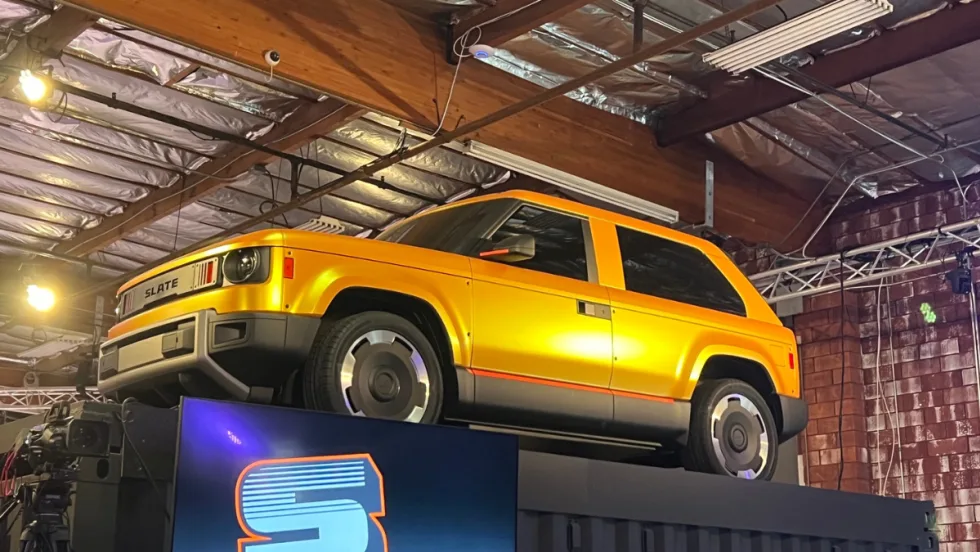
Slate Electric SUV, Pickup Switchable Model Aims For Light-Duty Fleets
Everything about this EV is counterintuitive and understated, making it stand out from the crowd.
Read More →
Inspiration Mobility Acquires Key Electrada Assets
Inspiration Mobility Group has acquired select assets of Electrada, adding the fleet electrification provider's team, technology, and charging infrastructure development capabilities to its energy management business.
Read More →