




Animal-Vehicle Collisions on the Rise
SAN ANTONIO, TX - With deer mating season beginning this fall, drivers in a number of states need to take special care to avoid collisions with deer crossing roads.
SAN ANTONIO, TX - With deer mating season beginning this fall, drivers in a number of states need to take special care to avoid collisions with deer crossing roads.
Fatalities and injuries due to motor vehicle accidents declined from 2008 to 2009, according to the National Highway Traffic Safety Administration (NHTSA). But insurance provider USAA said its auto insurance claims records show that animal-vehicle collisions increased 7 percent in the same period.
The data also indicate that animal-vehicle collisions across the country begin trending upward in September, with November as the most collision-prone month.
Last year, 69 percent more claims were filed for animal-vehicle collisions during the fall than in the spring. This correlates with the height of the deer breeding/mating season. Additionally, say wildlife experts, deer populations have escalated due to a lack of predators and new housing developments in traditional wildlife territories.
Collisions with animals are costly, resulting in an average claim of $2,886 in 2009, according to USAA. They can also be deadly. The Insurance Institute for Highway Safety (IIHS) said that the number of human deaths from collisions with animals rose nearly 19 percent between 2001 and 2008 -- from 177 to 210.
"These findings remind motorists to be extra vigilant of deer during the fall, particularly during the dawn and dusk hours when they are looking for food," said Ken Rosen, USAA's senior vice president of claims.
In 2009, West Virginia had the highest frequency rate of animal-vehicle collisions, according to USAA. The 10 states with the highest occurrence rates were:
1. West Virginia
2. South Dakota
3. Iowa
4. Montana
5. Michigan
6. Wyoming
7. North Dakota
8. Wisconsin
9. Pennsylvania
10. Mississippi
With deer mating season around the corner, USAA offers the following tips:
Keep the six D's in mind. Deer are most active at dawn and dusk so drive defensively during those hours. Stay off your cell phone and keep your seat belt fastened. IIHS says that most animal-vehicle collision deaths wouldn't have occurred if motorists used seat belts and motorcyclists wore helmets.
Watch the signs. Deer crossing signs designate popular deer crossing locations. Slow down when you see the signs, and be on the lookout for deer herds after you've seen one deer since they seldom travel alone.
Brake for deer. Honking can sometimes be used to prevent deer from running into traffic, but deer are unpredictable. Safety experts recommend braking firmly and not swerving to avoid the deer. While you may be tempted to use your high-beam headlights when a deer is directly in front of you, they could cause a deer to stop in its tracks rather than running to safety just "like a deer in the headlights." Braking firmly is the best line of defense.
Stay put if you strike a deer. Do not get out of the vehicle to inspect the animal. It could still be alive and could cause injury. It's best to contact local authorities should the animal be blocking potential traffic.
More Safety

Nexar-Nauto Merger Aims to Give Fleets Better Safety Intelligence Through Larger Driving Dataset
Stefan Heck tells Automotive Fleet that combining more than 10 billion miles of driving history with Nexar's AI models will give fleets deeper insights into driver risk and roadway conditions than either company could provide independently.
Read More →
Don't Wait for a Crisis: 5 Ways to Build Mental Health Into Your Fleet Safety Program
For Suicide Prevention Month, fleet and safety leaders have an opportunity to put mental health where it belongs: at the center of workplace safety.
Read More →
How Camera Data Can Strengthen a Fleet’s Insurance Renewal
Insights from a commercial insurance carrier and a broker show how fleets can turn video telematic data, driver coaching, and improved claims results into a stronger case at insurance renewal.
Read More →
The Safest Fleets Aren’t the Ones with the Most Technology
You’ve made the telematics investment. Here’s how to capture the other half of its value and build the safest fleet on the road.
Read More →
Hidden in Plain Sight: Fleet Compliance Risks
Fleet compliance isn't just about having policies — it's about consistently enforcing them. This practical guide reveals six hidden compliance risks common in public sector and shared fleet operations and outlines proven strategies to improve visibility, accountability, and audit readiness
Read More →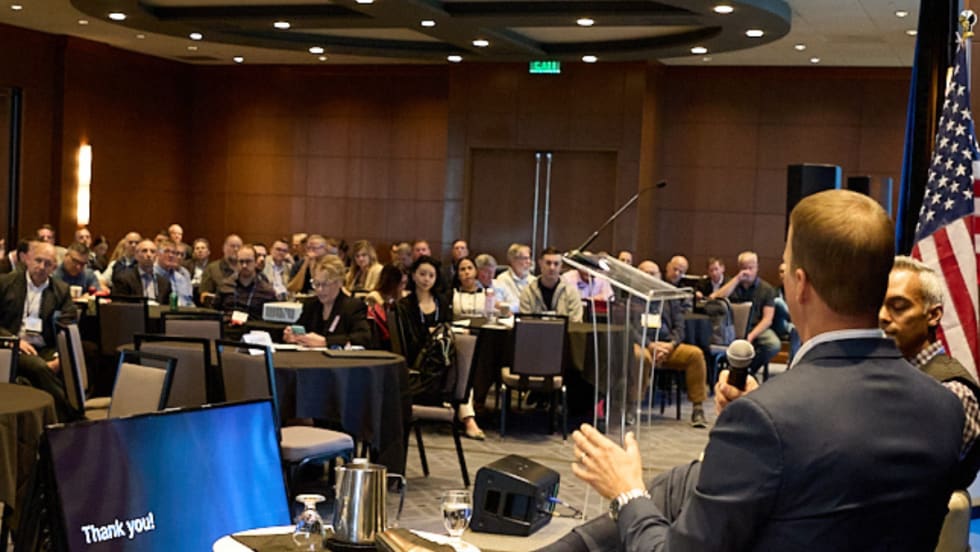
NETS Sets 2026 Fleet Safety Benchmark Conference for Indianapolis
The Sept. 15–17 program will feature fleet benchmarking data, case studies, emerging technologies, and implementation strategies while running alongside the NSC Safety Congress & Expo.
Read More →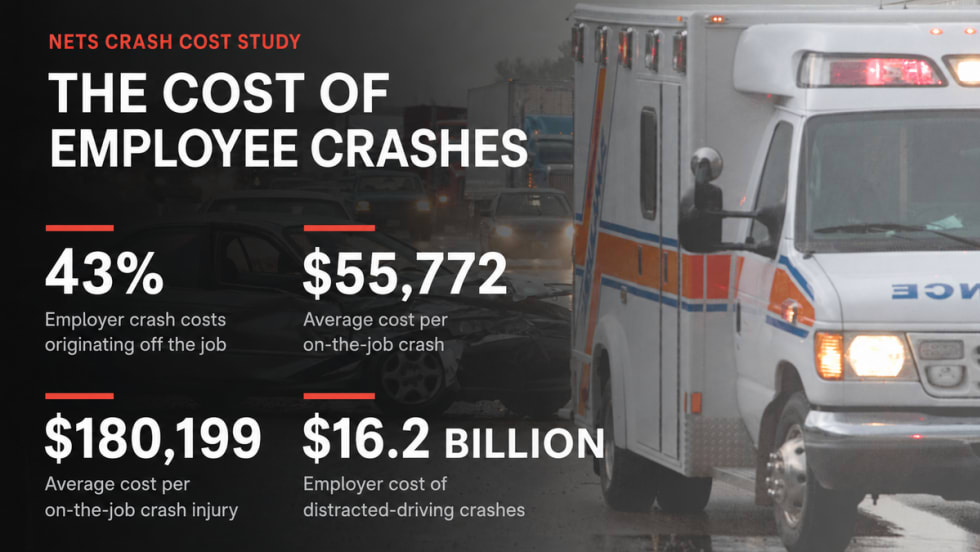
Off-the-Job Crashes Account for 43% of Employers’ $61.7 Billion Crash Burden
NETS quantifies costs dispersed across fleet, risk, HR, and other departments while providing new per-crash benchmarks for employers.
Read More →
Ram Recalls More Than 1.27 Million 1500 Pickups for Seat Belt Anchor Issue
The recall affects certain 2019-2026 Ram 1500 pickups that may have improperly attached second-row seat belt buckle anchors.
Read More →
How Better Visibility Cut Speeding Violations by 48%
Fleet leaders don't need more data, they need clearer visibility into what the data is saying. This case study explores how one utility replaced speeding-event counts with a single metric — miles driven in violation — to strengthen safety and significantly reduce speeding violations.
Read More →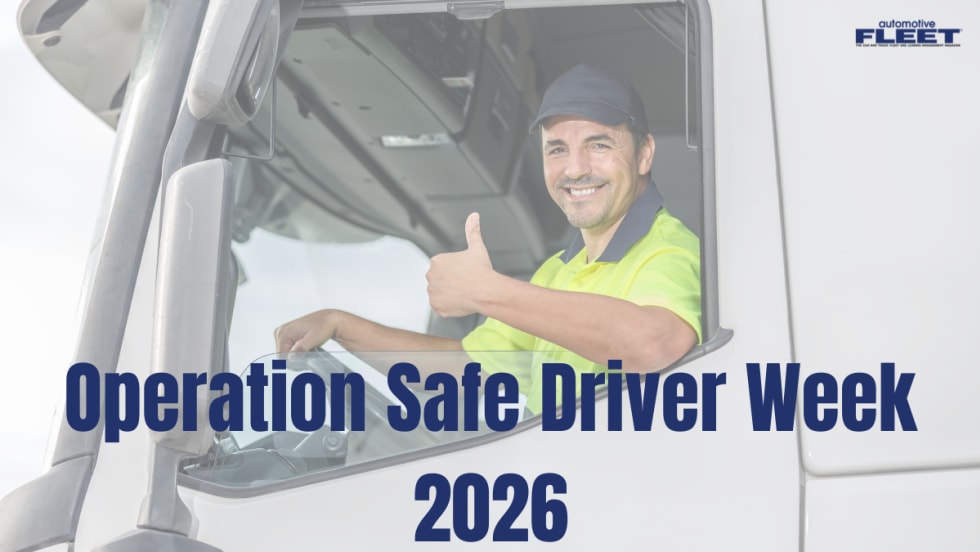
Operation Safe Driver Week: Why the Industry's Oldest Safety Campaign Still Matters to Fleets
A look at how a 2007 enforcement initiative became one of the most consequential weeks on the fleet safety calendar, and what it means for your drivers in 2026.
Read More →