




Animal-Vehicle Collisions Increasing
ANN ARBOR, MI --- Animal-vehicle collisions have increased 110 percent in the United States during the past 18 years, according to a new report from the University of Michigan Transportation Research Institute.
ANN ARBOR, MI --- Animal-vehicle collisions have increased 110 percent in the United States during the past 18 years, according to a new report from the University of Michigan Transportation Research Institute.
John M. Sullivan, a UMTRI assistant research scientist, examined daily and seasonal animal-vehicle crash trends and the interaction of vehicle speed and ambient light to find out what factors influence crash risk.
According to the report, Relationships Between Lighting and Animal-Vehicle Collisions, there were 106 traffic fatalities in the United States resulting from animal-vehicle collisions in 1990. By 2007, that level had risen to 223. Texas, Wisconsin, Pennsylvania, Ohio and Michigan are the leading states in absolute numbers of fatal animal-vehicle collisions.
"While the exact reason for the increase is unclear, it does seem to exceed what would be expected from increases in annual vehicle miles driven or changes in the balance of rural versus urban driving," said Sullivan. "One possibility is that increases in deer population or movement patterns may be involved."
According to the report, about 77 percent of animal-vehicle collisions involve deer. In Michigan, most animal-vehicle collisions occur in October and November, coinciding with mating season of the white-tailed deer population. The highest collision risk occurs around dawn and dusk when deer are active and ambient light levels are low.
Using data from the Fatality Analysis Reporting System (FARS), Sullivan analyzed the influence of posted speed limits on the odds of a fatal animal-vehicle collision occurring in darkness. Modeling two ambient lighting conditions (light and dark), Sullivan found that for every mile-per-hour increase in speed, there was an increase in the odds of a crash occurring in darkness of about 2.5 percent.
The report indicates that the relative risk of animal-vehicle collisions in darkness versus daylight appears to be associated with posted speed limit. Higher posted speeds result in proportionally greater crash risk in darkness. The take-home message for drivers, said Sullivan, is straightforward: slow down.
"The difference between a fatal and a nonfatal crash is often a matter of impact force," explained Sullivan. Slowing down on the roadways around dawn and dusk, when deer are most active, is one of the most important actions that drivers can take to avoid a fatal collision, even if the collision itself is unavoidable.
Another potential remedy is extending "forward preview time," or the distance a driver can see in darkness. Methods might include dynamic modification of the forward headlight beam pattern to extend a driver's view of the road, use of night vision enhancement, or use of other advanced detection systems.
The research was sponsored by the University of Michigan Industry Affiliation Program for Human Factors in Transportation Safety.
More Safety

Nexar-Nauto Merger Aims to Give Fleets Better Safety Intelligence Through Larger Driving Dataset
Stefan Heck tells Automotive Fleet that combining more than 10 billion miles of driving history with Nexar's AI models will give fleets deeper insights into driver risk and roadway conditions than either company could provide independently.
Read More →
Don't Wait for a Crisis: 5 Ways to Build Mental Health Into Your Fleet Safety Program
For Suicide Prevention Month, fleet and safety leaders have an opportunity to put mental health where it belongs: at the center of workplace safety.
Read More →
How Camera Data Can Strengthen a Fleet’s Insurance Renewal
Insights from a commercial insurance carrier and a broker show how fleets can turn video telematic data, driver coaching, and improved claims results into a stronger case at insurance renewal.
Read More →
The Safest Fleets Aren’t the Ones with the Most Technology
You’ve made the telematics investment. Here’s how to capture the other half of its value and build the safest fleet on the road.
Read More →
Hidden in Plain Sight: Fleet Compliance Risks
Fleet compliance isn't just about having policies — it's about consistently enforcing them. This practical guide reveals six hidden compliance risks common in public sector and shared fleet operations and outlines proven strategies to improve visibility, accountability, and audit readiness
Read More →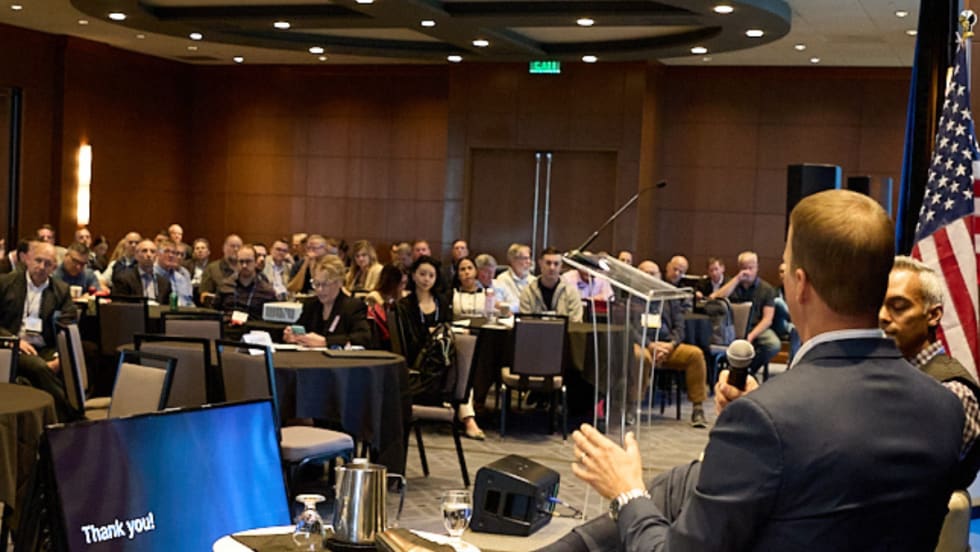
NETS Sets 2026 Fleet Safety Benchmark Conference for Indianapolis
The Sept. 15–17 program will feature fleet benchmarking data, case studies, emerging technologies, and implementation strategies while running alongside the NSC Safety Congress & Expo.
Read More →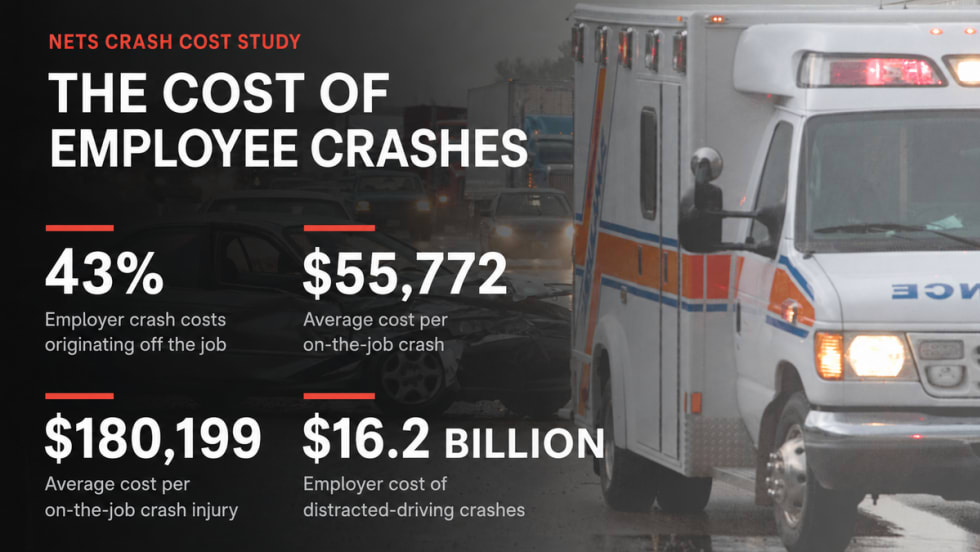
Off-the-Job Crashes Account for 43% of Employers’ $61.7 Billion Crash Burden
NETS quantifies costs dispersed across fleet, risk, HR, and other departments while providing new per-crash benchmarks for employers.
Read More →
Ram Recalls More Than 1.27 Million 1500 Pickups for Seat Belt Anchor Issue
The recall affects certain 2019-2026 Ram 1500 pickups that may have improperly attached second-row seat belt buckle anchors.
Read More →
How Better Visibility Cut Speeding Violations by 48%
Fleet leaders don't need more data, they need clearer visibility into what the data is saying. This case study explores how one utility replaced speeding-event counts with a single metric — miles driven in violation — to strengthen safety and significantly reduce speeding violations.
Read More →
Operation Safe Driver Week: Why the Industry's Oldest Safety Campaign Still Matters to Fleets
A look at how a 2007 enforcement initiative became one of the most consequential weeks on the fleet safety calendar, and what it means for your drivers in 2026.
Read More →