




Allstate Starts Offering Computer Games to Sharpen Driving Skills
NORTHBROOK, IL --- Allstate Insurance is launching a brain fitness software program, InSight, aimed at improving driving skills.
NORTHBROOK, IL --- Allstate Insurance is launching a brain fitness software program, InSight, aimed at improving driving skills.
Unlike most brain fitness software, InSight is designed to reverse age-related cognitive decline and greatly improve a driver's visual alertness. If using the software is successful in reducing accident rates among customers 50 years and older, Allstate said it will begin offering discounts to drivers who use the computer-based exercises to help improve their mental sharpness.
Allstate has entered into a relationship with Posit Science, a leader in clinically validated brain fitness programs and developer of InSight, to offer this software program.
"With this revolutionary program, we're offering people an innovative solution in hopes of improving their personal safety and quality of life," said Tom Warden, assistant vice president of Allstate Research and Planning Center.
According to the National Highway Traffic Safety Administration (NHTSA), there were 30 million licensed drivers age 65 and older in 2006, an 18 percent increase from 1996. The number of mature drivers will only continue to rise as those from the baby boomer generation become seniors.
The Posit Science software has been shown in more than a dozen National Institutes of Health funded studies to improve visual processing skills known to be important for safe driving. The technology has been shown to reduce dangerous driving maneuvers by up to 40 percent and improve stopping distance by an average of 22 feet when traveling at 55 miles per hour. In fact, scientific studies have demonstrated that training can reduce crash risk by up to 50 percent. Allstate's rollout is intended to evaluate interest in and effectiveness of this approach to improving driving performance.
Allstate and Posit Science will launch the test of the InSight software program in Pennsylvania. Allstate will invite selected Pennsylvania drivers 50 years and older to help validate the impact that cognitive training has on driving safety.
More Safety

How Better Visibility Cut Speeding Violations by 48%
Fleet leaders don't need more data, they need clearer visibility into what the data is saying. This case study explores how one utility replaced speeding-event counts with a single metric — miles driven in violation — to strengthen safety and significantly reduce speeding violations.
Read More →
Operation Safe Driver Week: Why the Industry's Oldest Safety Campaign Still Matters to Fleets
A look at how a 2007 enforcement initiative became one of the most consequential weeks on the fleet safety calendar, and what it means for your drivers in 2026.
Read More →
Nexar-Nauto Merger Aims to Give Fleets Better Safety Intelligence Through Larger Driving Dataset
Stefan Heck tells Automotive Fleet that combining more than 10 billion miles of driving history with Nexar's AI models will give fleets deeper insights into driver risk and roadway conditions than either company could provide independently.
Read More →
From Silos to Solutions: Relationship Management for Safer Fleets
From telematics adoption and driver accountability to policy consistency and risk mitigation, this episode breaks down what it really takes to build a safer fleet culture without slowing business down.
Read More →
IIHS Launches First Commercial Vehicle Safety Evaluations
The Insurance Institute for Highway Safety has begun evaluating heavy-duty pickups and cargo vans for driver protection. Which models earned top marks?
Read More →
Reducing Risk by Eliminating Phone Use Behind the Wheel
Hosted with the cofounder of Lifesaver Mobile, this episode addresses phone use behind the wheel and how to design a driving environment that actually helps prevents accidents.
Read More →
Cameras, Safety and Insurance: From Reactive Claims to Real-Time Prevention (Part 2 of 2)
Part Two: Commercial auto remains one of the most challenging and costly lines of coverage for fleet operators and insurers alike. Continue learning more about how to effectively address these issues from Onur Aksan, Enterprise Business Development Executive, Geotab
Read More →
How 5-Second Telematics Data Is Changing Fleet Safety
This episode connects with Steve Santostasi of Ford Pro and covers how a few seconds of data can make a difference in fleet safety.
Read More →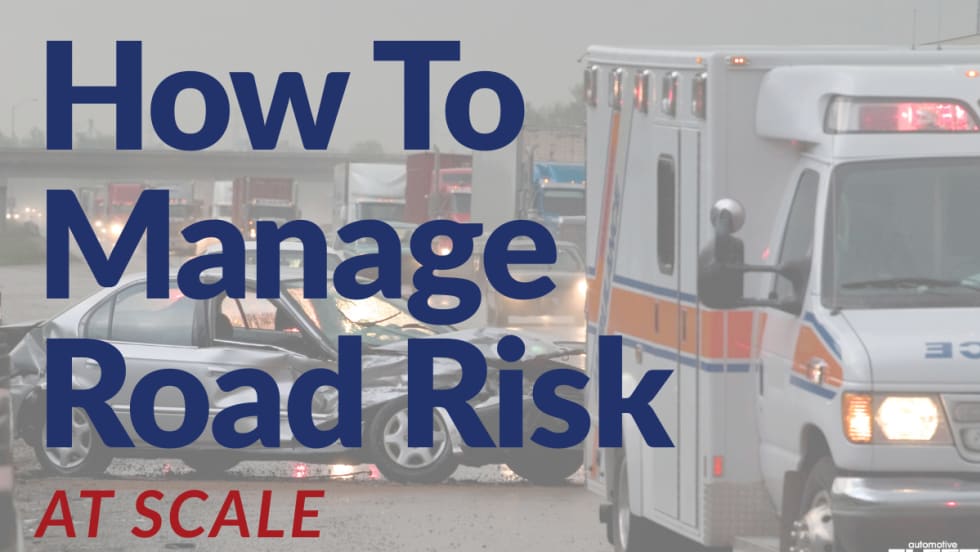
Managing Road Risk at Scale: Why Fleet Safety Needs a Data-Driven Framework
Insights from the FIA Road and Driver Safety Indexes reveal how to manage road risk on a larger scale.
Read More →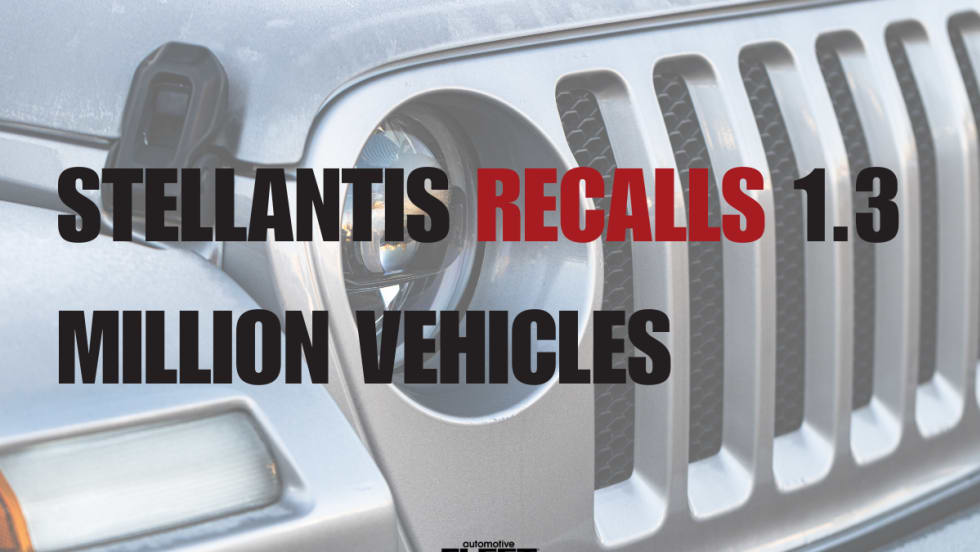
Stellantis Recalls 1.3 Million Jeep Vehicles Worldwide Over Fire Risk
Stellantis is recalling more than 1.3 million Jeep Wrangler and Gladiator models worldwide over a fire risk linked to power steering pump wiring.
Read More →