




The Allison Transmission Division of General Motors showcased its “home-grown” hybrid technology in a new bus. Allison’s hybrid technology, called Allison Electric Drives EP System, uses a parallel hybrid system to power a 40-passenger city bus. According to Allison, the system is viable for use in buses and medium- to heavy-duty trucks. Distantly related in design to that used in a diesel-electric locomotive, the system uses electric motors to drive the vehicle. Battery power is used to accelerate from rest, and the system switches to a diesel generator to provide electric power while cruising. The generator also charges the batteries. Electric motors provide maximum torque from zero rpm, so with its electric motors, the bus accelerates faster than a traditional diesel-powered bus. Diesel engines burn fuel most efficiently when they run at steady rpm, so the diesel engine operates when the vehicle is cruising at a steady speed. The result is a bus that delivers about 60 percent better fuel economy than a conventional vehicle, and has a 90 percent lower particulate output and 50 percent lower nitrogen oxide (NOx) emissions. In addition, the electric motors deliver 50 percent greater acceleration than a conventional diesel powertrain.
Allison Transmission Unveils 'Home-Grown' Hybrid Vehicle Technology
More Operations
How NOV Uses Telematics to Improve Fleet Safety Across 160 Locations
James Victory of NOV discusses how the company manages fleet safety, maintenance, and telematics across more than 150 locations supporting oilfield operations throughout the U.S.
Read More →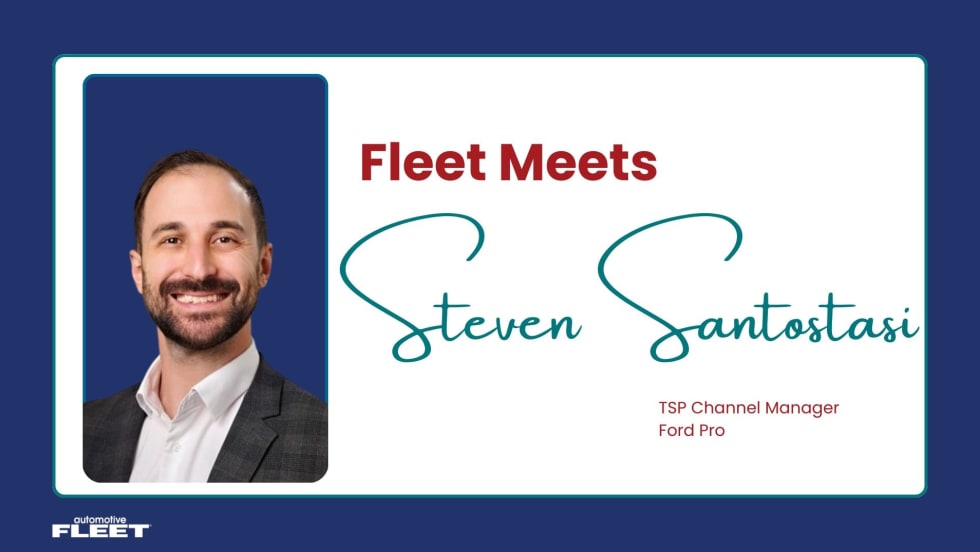
Fleet Meets: Steven Santostasi
This edition of the Fleet Meets series features Steven Santostasi, the current TSP channel manager for Ford Pro.
Read More →
Why Fleet Managers Are Replacing Departmental Vehicles with Shared Motor Pools
Departmentally assigned vehicles often create hidden costs through underutilization, poor visibility, and increased administrative burden. This white paper explores how shared motor pool strategies help fleets reduce costs, improve accountability, and optimize vehicle utilization.
Read More →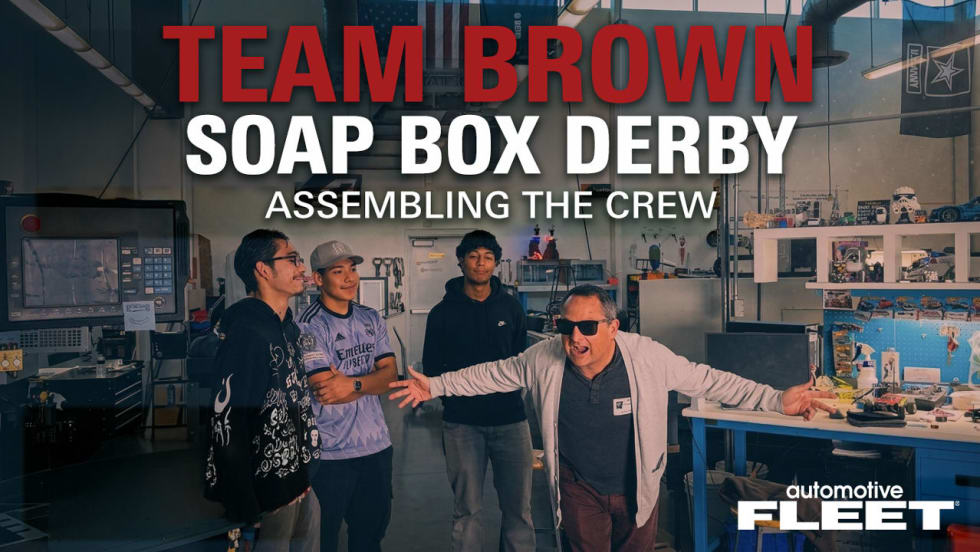
Soap Box Derby Challenge: Assembling the Crew
Meet Gabriel, Matthew, and Angel — the team helping bring this soap box derby build to life.
Read More →
BBL Fleet Acquires Velcor Leasing Corporation
BBL Fleet expanded its footprint in the fleet management industry with the acquisition of Velcor Leasing Corporation of Madison through a stock purchase agreement finalized Feb. 27, 2026.
Read More →
Lytx Introduces New AI Fleet Technologies at Protect 2026
The company introduced new AI-driven fleet safety and operations technologies during its annual user conference.
Read More →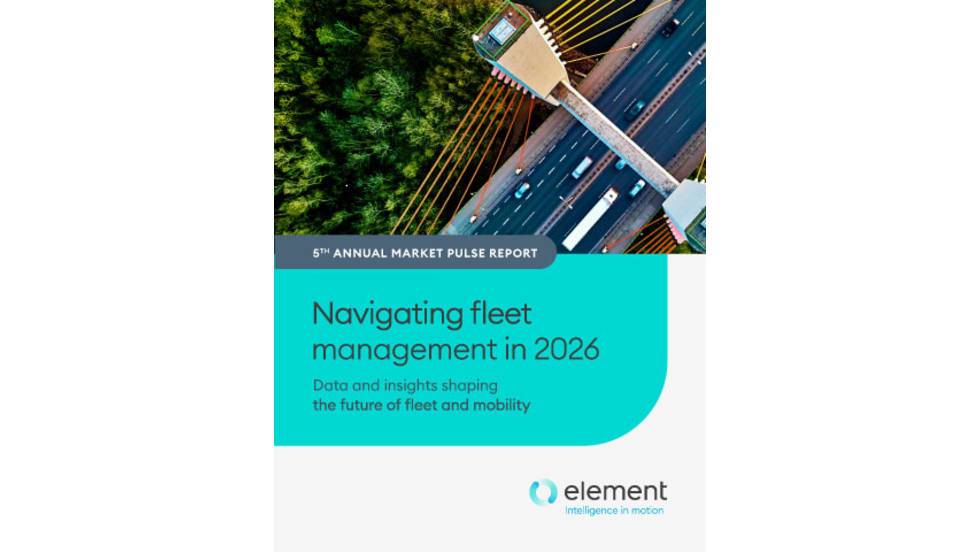
Fleet Costs Are Rising: Here’s How Leaders Are Responding
Fleet leaders are under pressure to reduce costs, adapt to economic uncertainty, and make smarter decisions. See how peers across North America are responding with real data, proven strategies, and forward-looking insights. Download the 2026 Market Pulse Report to benchmark your strategy and uncover where you can gain an edge.
Read More →
From Waffle House to AI: Fleet Trends You Need to Know
In this AF news recap, host Faith Howell covers how Waffle House stepped up during disaster response and new AI tech on the market.
Read More →
Fleet Operations in the Age of AI: Navigating Ethical and Legal Challenges
AI is no longer a future concept for fleets—it’s already embedded in the tools, data, and decisions that operators rely on every day. In this episode of the Fleet Forward Podcast, recorded live at Fleet Forward, industry leaders take the conversation beyond hype to examine what responsible AI adoption really looks like in fleet operations.
Read More →
Factory Installed vs. Aftermarket: Choosing the Right Telematics Path & Managing the Data
As fleets rethink how they capture, manage, and act on vehicle data, telematics is at a major inflection point. In this episode of the Fleet Forward Podcast, we dive deep into one of the most pressing questions facing fleet leaders today: Should you rely on OEM factory-installed connectivity, aftermarket devices, or a hybrid of both?
Read More →