




Alleged Insurance Fraud Scheme Involved Stuffing Rodents into Engine Components
REDWOOD CITY, CA --- A married couple managing an auto repair shop in Northern California have pleaded not guilty to felony charges that they swindled customers by faking car damage and charging for fake repairs.
REDWOOD CITY, CA --- A married couple managing an auto repair shop in Northern California have pleaded not guilty to felony charges that they swindled customers by faking car damage and charging for fake repairs.
According to the Bay Area News Group, Mehran Baranriz, 45, and Bita Imani, 35, of Group Specialist in Redwood City have been accused of stuffing dead mice into the engine components of their customers' BMW and Mercedes vehicles. Prosecutors said the couple would file false rodent damage claims to insurance companies and pretend to replace parts.
The couple allegedly relied on the rodent scheme and other fraudulent practices to file $1.2 million worth of false insurance claims between January 2003 and March 2007, prosecutors said. Police arrested the couple on June 25. They each face 56 felony counts of filing false insurance claims and five felony counts of grand theft. Imani also faces four counts of tax fraud, and Baranriz faces two counts of perjury.
The criminal investigation of the couple was prompted by a complaint filed by State Farm Insurance's audit department. The investigation by the San Mateo County District Attorney's Office spanned two years, Bay Area News Group reported.
More Safety
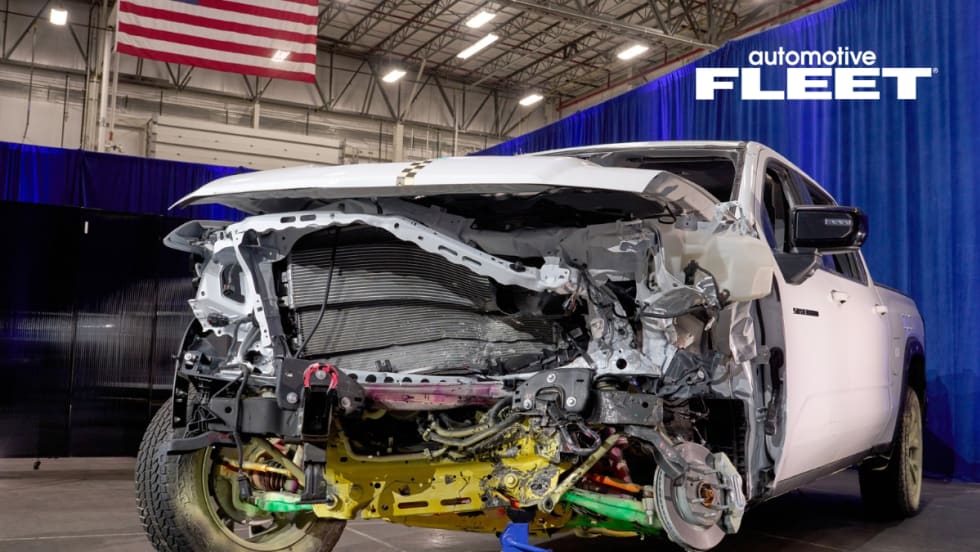
GM Conducts 92,000 Virtual Crash Tests for 2027 Chevrolet Silverado 1500
General Motors used computer simulations to evaluate crash scenarios, occupant protection and vehicle design variations before conducting physical crash tests.
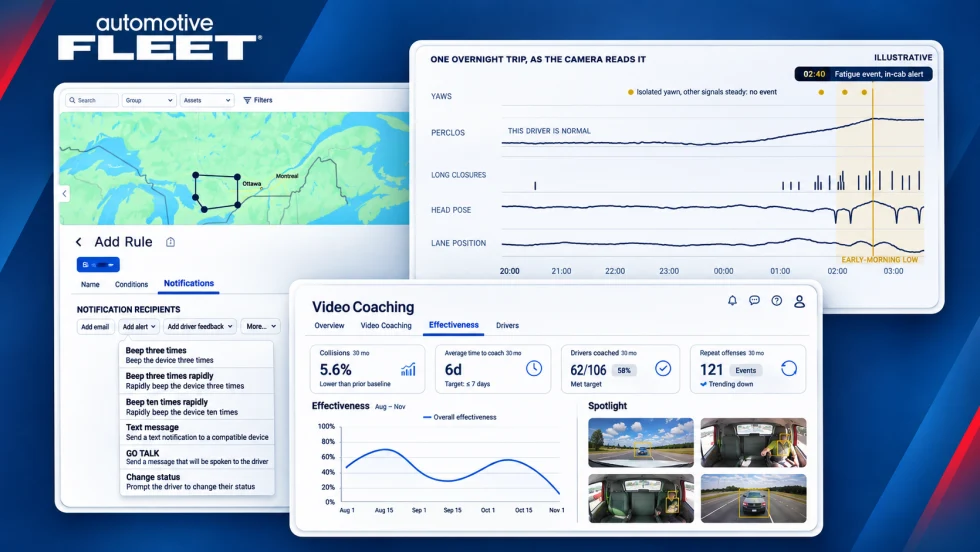
Geotab Adds AI-Powered Driver Coaching and Fatigue Detection Features
New capabilities include fatigue monitoring, two-way audio, coaching effectiveness analytics and location-based privacy controls for fleet safety management.

AAA Testing Finds Gaps in Intersection AEB Crash Prevention
Testing of four 2026 model-year vehicles found that automatic emergency braking prevented collisions in standardized intersection scenarios, but three vehicles failed to avoid crashes when another vehicle turned into their path.
Which Fleet Types Have the Highest Severe Speeding Rates?
New research from SambaSafety finds significant differences in speeding rates across fleet industries, even as nearly 90% of surveyed fleets report using telematics.
When a Cyberattack Hits Your Fleet: What Happens Next?
“You have two opportunities to test your plans: when you choose or when the threat actor chooses.” A cybersecurity expert reveals what fleet managers need to know before a cyberattack puts their operations at risk — and why the decisions made in the first moments can shape the entire recovery.
Tips for Driving Safely on Halloween Night
This video features a reminder from the Connecticut Department of Transportation (DOT) and the Connecticut Police Chiefs Association, urging drivers to prioritize safety this Halloween.
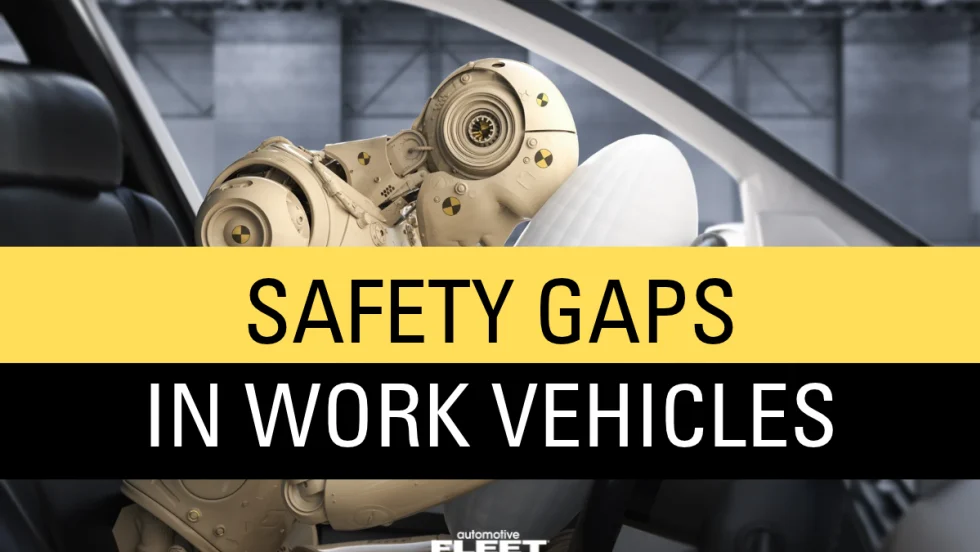
IIHS Crash Avoidance Tests Reveal Safety Gaps in Cargo Vans and Work Trucks
New IIHS crash avoidance ratings show uneven performance among cargo vans and heavy-duty pickups, with most struggling to avoid vehicle-to-vehicle collisions.
What’s Next for Fleet? Safety, AI & Industry Recognition | AF News Recap
Could your company's culture be encouraging distracted driving? This week, we're exploring how workplace expectations affect driver safety, what AI, EVs, and autonomous vehicles could mean for the future of fleet management, and how fleet professionals can strengthen their award nominations.

Does Your Fleet's Culture Encourage Distracted Driving?
What happens when the people responsible for enforcing safety rules are the ones setting the wrong example? The answer may reveal why some of the biggest risks to fleet drivers have little to do with what's written in the employee handbook.
Fleet Manager’s Ultimate Playbook: Navigating the New Standard in OEM Connectivity
Rising operating costs, driver safety concerns, and unplanned downtime are putting unprecedented pressure on modern fleets. Discover how fleet managers use embedded OEM connectivity and real-time vehicle data to cut TCO, prevent downtime, and protect drivers without aftermarket telematics hardware.