




All-Electric Volvo C30 Project Presented for the First Time
GOTHENBURG, SWEDEN - The electric Volvo C30 features the same safety, comfort, and space as the standard car, but is powered solely by electricity, entirely without exhaust emissions, with a range of up to 150 kilometers.
GOTHENBURG, SWEDEN - The electric Volvo C30 features the same safety, comfort, and space as the standard car, but is powered solely by electricity, entirely without exhaust emissions, with a range of up to 150 kilometers.
Volvo Cars' electrification strategy has quickly produced concrete results, according to the manufacturer. In addition to the market introduction of a plug-in hybrid in 2012, work is currently underway on evaluating the viability of an entirely electric-powered car known as a BEV (Battery Electric Vehicle).
In 2009, a small number of prototype versions of the C30 BEV were built and tested internally by Volvo. In addition to focusing on performance and safety, much of the focus is on integration of the electric propulsion system with the rest of the car.
Electricity is highly suitable as a fuel for passenger cars, notes Volvo. It is the superior energy efficiency of the electric motor compared with the combustion engine which suggests that electric cars will become increasingly common in the future as fuel prices rise and demands for low CO2 emissions become ever more stringent.
The Volvo C30 BEV is powered with a Lithium-Ion battery that is charged via a regular power socket found in most homes.
Recharging an entirely depleted battery via the regular household power supply system (230V, 16A) will take about eight hours. If the car is charged with renewable electricity, emissions - all the way from electricity production to its use out on the road - will in principle be non-existent.
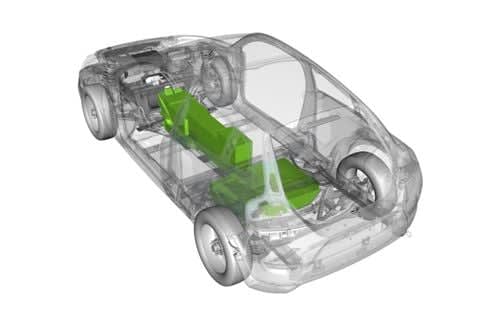
The electric motor is housed in the same location as an engine in a conventional car. One of the priorities within the BEV project is to find optimal battery placement. Since the car runs solely on electricity, it requires a larger battery with higher capacity (24 kWh) than in the case of the plug-in hybrid (12 kWh).
The C30 BEV is limited to a top speed of about 130 kilometers an hour. Acceleration from 0 to 100 kilometers an hour will take less than 11 seconds. The car will have a range of up to 150 kilometers. This range is longer and far better than the distance 90 percent of all Europe's motorists drive per day.
More Green Fleet

EV Charging Use Is Outpacing Infrastructure Growth
ChargePoint’s 2026 Charging Forward Report points to rising charger use, higher-powered charging, commercial vehicle electrification, and energy-management technology. Here’s what fleets should know.
Read More →
Merchants Fleet Reports 290M EV Miles as Fleets Navigate Changing Electrification Market
From millions in operating savings to hundreds of millions of EV miles, Merchants Fleet’s latest report reveals what’s working and what’s changing in fleet electrification.
Read More →
The EV Breakdown Nobody's Talking About: Why Most Electric Vehicle Roadside Calls Aren't Mechanical Failures
Here's why EV breakdowns are widely misunderstood.
Read More →
ChargePoint Now Available in Energy Pass
ChargePoint and additional planned charging network integrations were added to GM's Energy Pass.
Read More →

First Look: Slate Auto's Electric Fleet Pickup
Could an affordable, modular EV pickup make electrification more practical for fleets?
Read More →
Slate Debuts Colorful, Unique EV Models
A recent media and client event, studded with electric vehicles dressed up on platforms, planted a new position for the manufacturer in the wider EV market. Fleets will find cost-saving advantages.
Read More →
Slate Electric SUV, Pickup Switchable Model Aims For Light-Duty Fleets
Everything about this EV is counterintuitive and understated, making it stand out from the crowd.
Read More →
Inspiration Mobility Acquires Key Electrada Assets
Inspiration Mobility Group has acquired select assets of Electrada, adding the fleet electrification provider's team, technology, and charging infrastructure development capabilities to its energy management business.
Read More →
Turning Connected Vehicle Data Into Decisions That Matter
Fleet leaders have more data than ever, but turning that data into clear, actionable decisions remains a challenge. This white paper shows how leading organizations are using connected vehicle data to improve safety, reduce costs, and optimize fleet performance. Learn how to turn insight into action across your fleet.
Read More →