




Airbag Problems Prompt 1.4 Million Recalls in 2004
The number of vehicle recalls involving problematic airbags is up this year, Dow Jones Newswires reported, citing data from the National Highway Traffic Safety Administration (NHTSA), according to the Web site www.just-auto.com/.

The number of vehicle recalls involving problematic airbags is up this year, Dow Jones Newswires reported, citing data from the National Highway Traffic Safety Administration (NHTSA), according to the Web site www.just-auto.com/. So far in 2004, more than 1.4 million recalls in the U.S. are related to airbag problems, according to data the news agency culled from the NHTSA Web site. In 2003, more than 350,000 recalls were related to airbag problems. Beginning in the 2004-model year, NHTSA mandated that vehicle makers install "smart" airbag systems, which are supposed to help determine the size of the seat occupant and deploy the airbags with less force if the passenger was smaller. Dow Jones noted that, in 2002, automakers asked NHTSA for more time to put in the airbag systems. The agency responded by scaling back the phase-in period, calling for 20 percent to have the systems rather than 35 percent. NHTSA spokesman Rae Tyson told Dow Jones the agency closely monitors airbag systems and the technology is getting more scrutiny since the new regulations went into effect. Still, he said he's not sure why the number of recalls related to air bags has gone up this year. "You get increasing numbers in the fleet that have got airbags," he reportedly said. "And airbags have gotten much more complex." Dow Jones said many of the recalls this year involve wiring problems that could result in the airbags not going off when needed. "That's a major safety defect," Joan Claybrook, president of consumer advocacy group Public Citizen, told the news agency. "Non-deployment is the ultimate failure." Carmakers are putting more and more technology on vehicles, making their electronic systems increasingly complex, Claybrook told Dow Jones, and that could be affecting overall quality.
More Safety

How Better Visibility Cut Speeding Violations by 48%
Fleet leaders don't need more data, they need clearer visibility into what the data is saying. This case study explores how one utility replaced speeding-event counts with a single metric — miles driven in violation — to strengthen safety and significantly reduce speeding violations.
Read More →
Operation Safe Driver Week: Why the Industry's Oldest Safety Campaign Still Matters to Fleets
A look at how a 2007 enforcement initiative became one of the most consequential weeks on the fleet safety calendar, and what it means for your drivers in 2026.
Read More →
Nexar-Nauto Merger Aims to Give Fleets Better Safety Intelligence Through Larger Driving Dataset
Stefan Heck tells Automotive Fleet that combining more than 10 billion miles of driving history with Nexar's AI models will give fleets deeper insights into driver risk and roadway conditions than either company could provide independently.
Read More →
From Silos to Solutions: Relationship Management for Safer Fleets
From telematics adoption and driver accountability to policy consistency and risk mitigation, this episode breaks down what it really takes to build a safer fleet culture without slowing business down.
Read More →
IIHS Launches First Commercial Vehicle Safety Evaluations
The Insurance Institute for Highway Safety has begun evaluating heavy-duty pickups and cargo vans for driver protection. Which models earned top marks?
Read More →
Reducing Risk by Eliminating Phone Use Behind the Wheel
Hosted with the cofounder of Lifesaver Mobile, this episode addresses phone use behind the wheel and how to design a driving environment that actually helps prevents accidents.
Read More →
Cameras, Safety and Insurance: From Reactive Claims to Real-Time Prevention (Part 2 of 2)
Part Two: Commercial auto remains one of the most challenging and costly lines of coverage for fleet operators and insurers alike. Continue learning more about how to effectively address these issues from Onur Aksan, Enterprise Business Development Executive, Geotab
Read More →
How 5-Second Telematics Data Is Changing Fleet Safety
This episode connects with Steve Santostasi of Ford Pro and covers how a few seconds of data can make a difference in fleet safety.
Read More →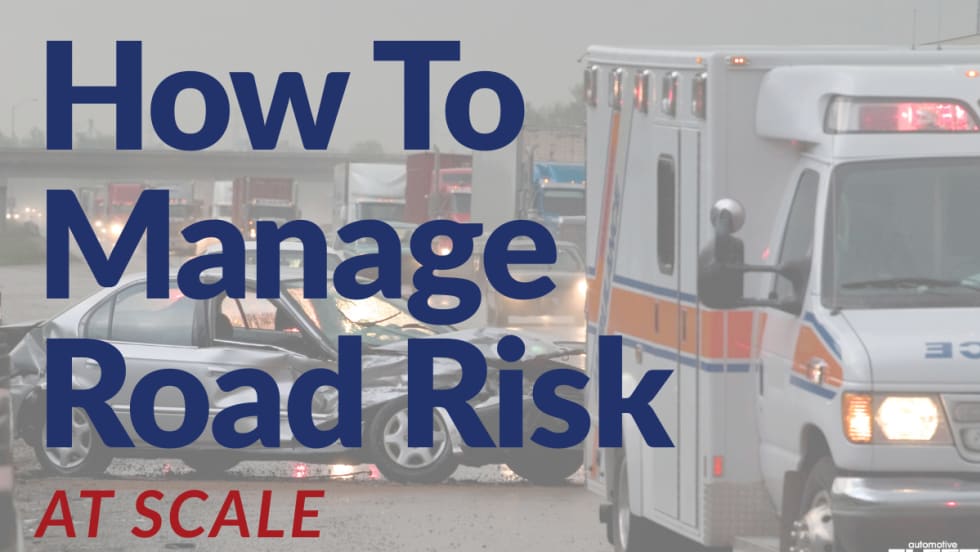
Managing Road Risk at Scale: Why Fleet Safety Needs a Data-Driven Framework
Insights from the FIA Road and Driver Safety Indexes reveal how to manage road risk on a larger scale.
Read More →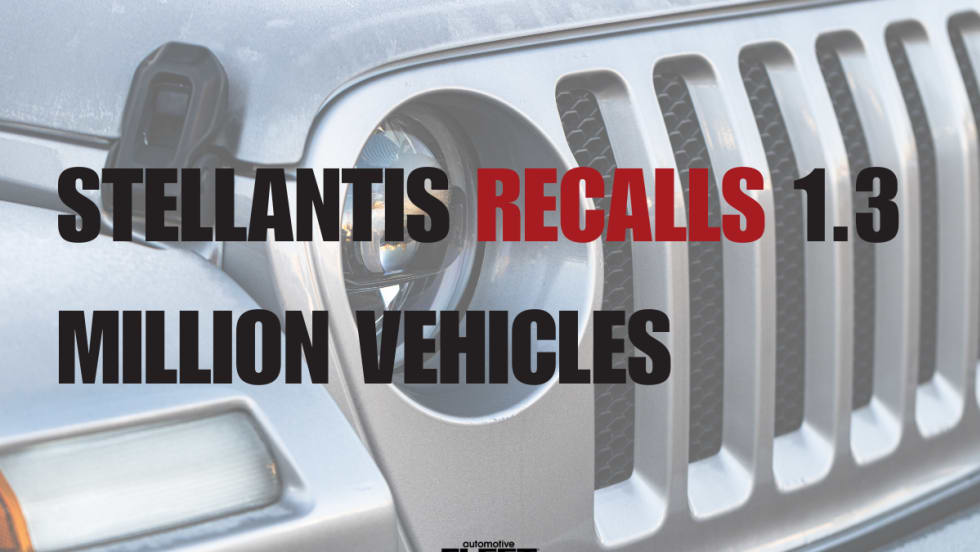
Stellantis Recalls 1.3 Million Jeep Vehicles Worldwide Over Fire Risk
Stellantis is recalling more than 1.3 million Jeep Wrangler and Gladiator models worldwide over a fire risk linked to power steering pump wiring.
Read More →