




ADT Security Expects $5.3M Savings in Fuel Costs
DEARBORN, MI - ADT Security Services expects to save $5.3 million annually in fuel costs while reducing carbon emissions by operating approximately 3,000 Ford Transit Connects.
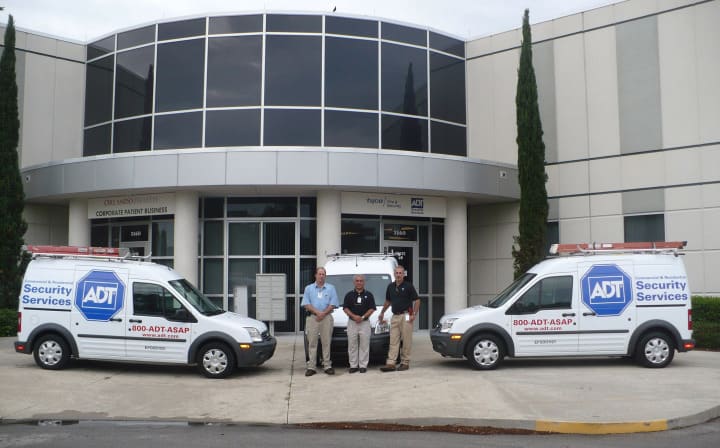
ADT Security Services recently purchased 1,500 Ford Transit Connects and intends to double that number within the next six months, saving some $5.3 million annually in fuel costs while reducing carbon emissions.
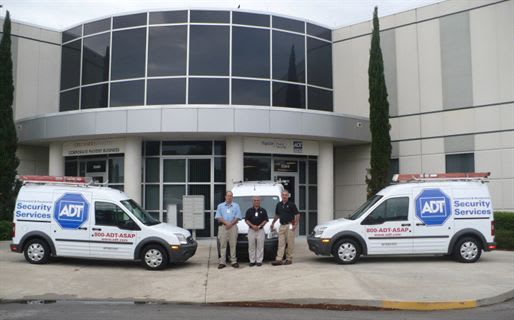
DEARBORN, MI - ADT Security Services recently purchased 1,500 Ford Transit Connects and intends to double that number within the next six months, saving some $5.3 million annually in fuel costs while reducing carbon emissions.
With plans to order a total of 3,000 Transit Connects, ADT, a Tyco International company, will replace nearly half of its North American fleet with Ford's new compact van.
The Transit Connects will be driven by thousands of ADT technicians who install and service security systems for millions of residential customers throughout North America.
ADT tested the Transit Connect in a pilot program with its technicians and found it to be the right vehicle for the job.
"The Transit Connect seems to work well for ADT residential and small business installers and service technicians - especially those in congested, urban areas," said David Wade, ADT Supply Chain and Fleet Group director. "It is much easier to maneuver and park than a larger commercial van, and it offers ample cargo-carrying capacity for supplying our residential and small business customers."
[PAGEBREAK]
Jerry Augustine, an ADT small business installer in Arizona, was one of 35 technicians who took part in the five-week pilot program, designed to gauge drivers' opinions of the Transit Connect. He likes the ease of retrieving parts and equipment from inside the Transit Connect. "Everything is very accessible through the side and rear doors," he said.
Augustine says he was initially concerned about the size of the vehicle. "I was afraid it wouldn't hold all of the equipment I need to carry," he said. "But after using the Transit Connect for a while, I found that it was actually very convenient. Not only can I store as much equipment as I need, but it's a lot easier to access."
Participants in the pilot program completed a weekly online survey answering such questions as: Compared to your existing van, how is the comfort and feel of the Transit Connect? How does it handle? Do you have enough space to house your equipment? Do you like the way it looks?
Wade says the technicians initially were reluctant to switch vehicles: "But we found their perception about the Transit Connect changed dramatically over the five-week period," he said.
Replacing larger, inefficient vehicles is part of ADT's company-wide program to save expenses, increase fuel efficiency and decrease greenhouse gas emissions. The initiative also conforms with "Vital World" - Tyco International's global program to create a greener future.
According to Wade, the large commercial vans - which represented 95 percent of ADT's total fleet - resulted in an annual fuel cost of $30 million. The Transit Connect offers significant fuel economy with a rating of 22 mpg in the city and 25 on the highway. Replacing 3,000 large vans with the Transit Connect would save ADT approximately $5.3 million per year.
Comfort and convenience also were important considerations, especially since ADT technicians spend an average of 2,000 miles per month on the road. A big benefit, says Wade, is the driver's side cargo door.
"Imagine being a field technician who goes to multiple jobs per day," he explained. "With the Transit Connect, he or she can literally open the driver's side door, take one step, open the side door, and have immediate access to tools and parts without having to go inside."
ADT Security Services helps provide protection to more than 5 million residential, commercial, and government customers in North America. Headquartered in Boca Raton, Fla., ADT has more than 240 locations in the U.S. and Canada.
More Fuel

Turning Fleet Payment Data into Executive Insights
Ramel Lindsay of U.S. Bank Voyager discusses how fleets can transform payment and transaction data into actionable intelligence to reduce costs, improve oversight, and support executive decision-making.
Read More →
Why the IRS Raised Its Mileage Rate in the Middle of 2026
Fuel-price volatility drove the rare increase to 76 cents per mile, the fifth midyear adjustment since 2000.
Read More →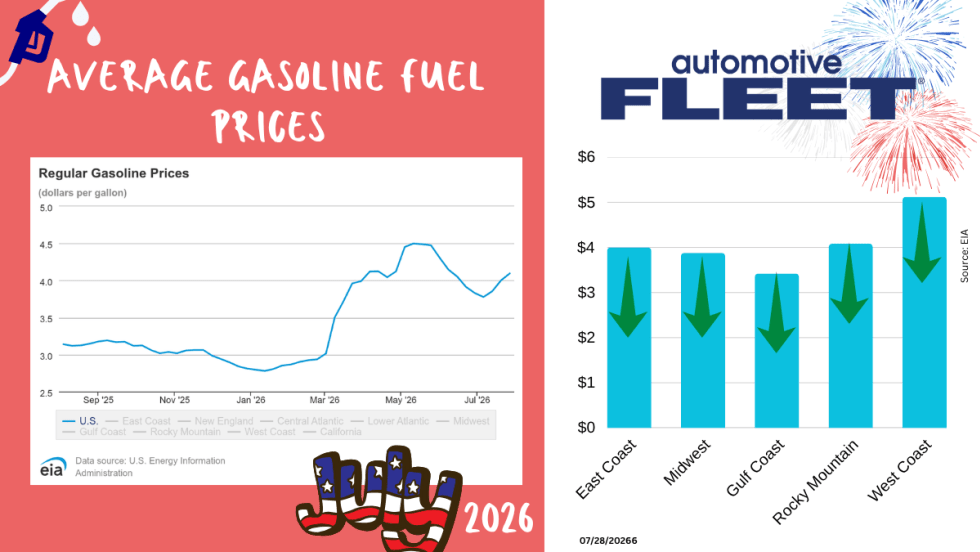
July Fuel Update: Prices Keep Rising in Light of More Conflict
Gas prices continue to rise as more and more conflicts do, too.
Read More →
Bob Adamsky on Fuel Volatility: "Don't Panic, Have a Plan."
When it comes to up and down fuel prices, Adamsky has a message for fleets: “Don’t panic.”
Read More →
How Fleets Can Gain Control of Non-Fuel Spend
Fuel often gets the spotlight, but non-fuel expenses can have a major impact on fleet costs. Ramel Lindsay of U.S. Bank Voyager discusses how fleets can gain better visibility and control over these often-overlooked expenditures.
Read More →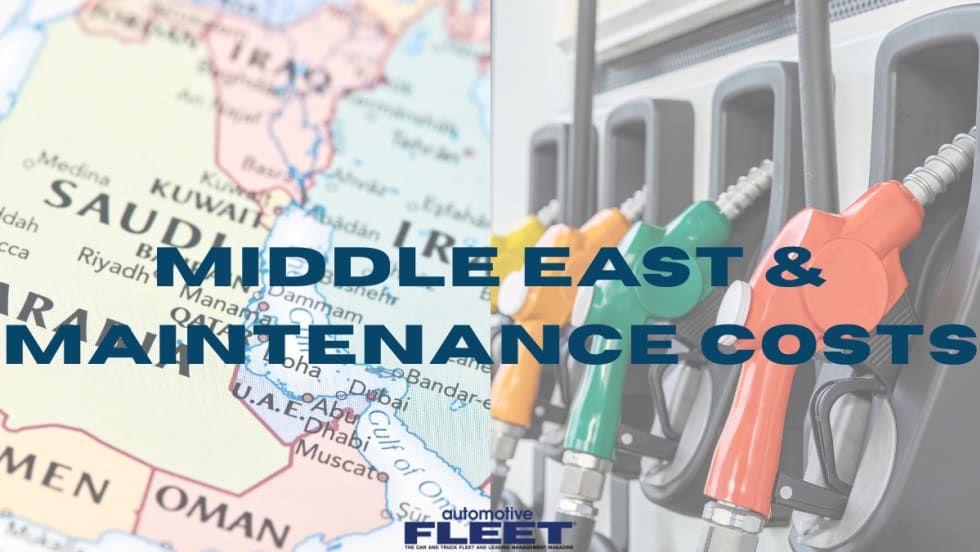
Fuel is Just the Start: How Middle East Tensions are Driving Up Fleet Maintenance Costs
The Middle East conflict is doing more than pushing up fuel prices. It’s also raising the cost of key maintenance products your fleet depends on, from motor oil to tires to windshield wipers. Here’s what you need to know about this budget-busting situation.
Read More →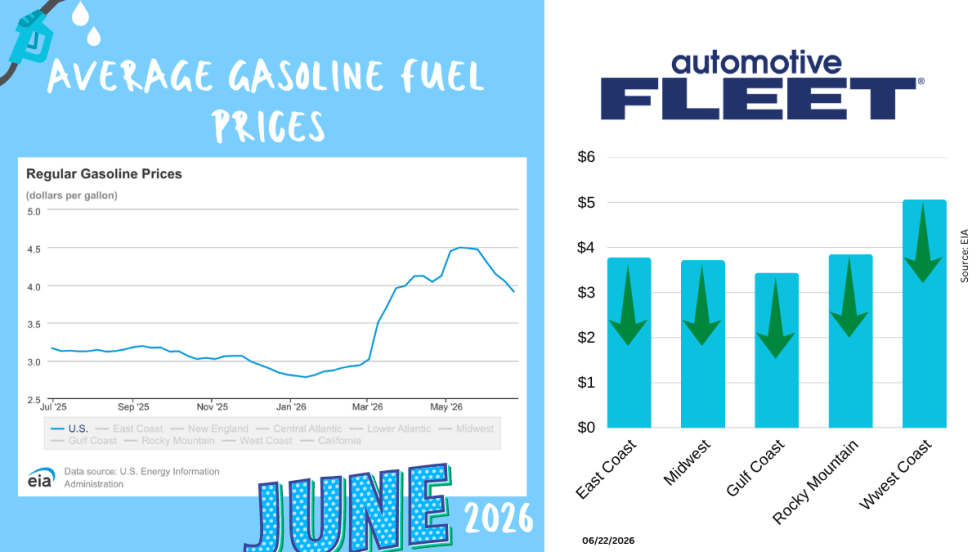
June Fuel Update: Prices Fall Below $4
Drivers are finally getting some relief at the pump. The national average gas price has dropped below $4 a gallon for the first time in months, with prices falling in 47 states as oil markets react to developments in U.S.-Iran negotiations.
Read More →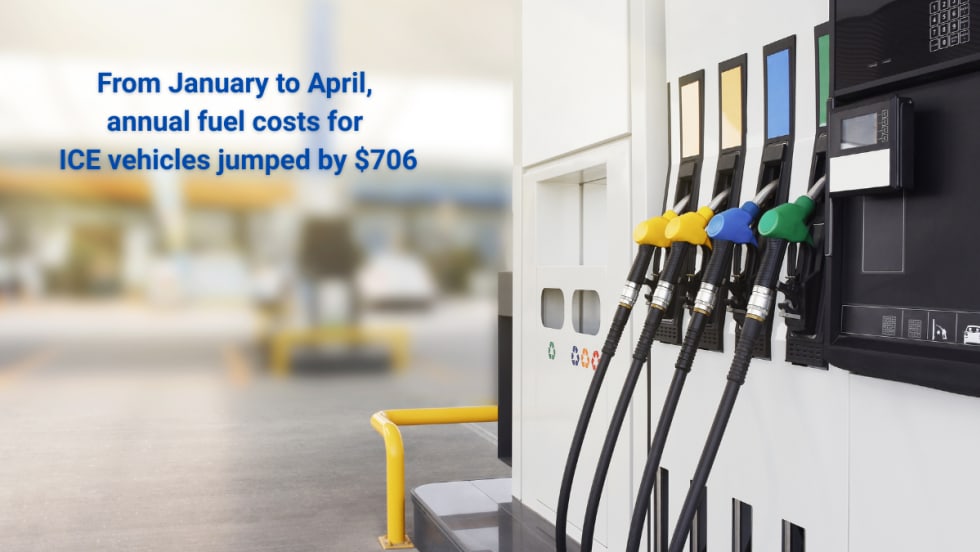
Study: How 2026's Gas Price Hikes Affect Different Vehicle Types
New data from iSeeCars reveals how rising fuel costs have affected different vehicle segments as gasoline prices climbed nearly 46% over the past four months.
Read More →
Are You Tracking Your Fleet's True Total Cost of Ownership?
Bobit Business Media surveyed 190 fleet professionals and found that while most fleets are tracking costs, fragmented systems and data gaps are keeping true TCO visibility out of reach. With rising pressure to control spend in an increasingly volatile environment, the gap between what fleets think they know and what the data actually shows is wider than you might expect. See how your peers are managing costs today and where the industry still has room to improve.
Read More →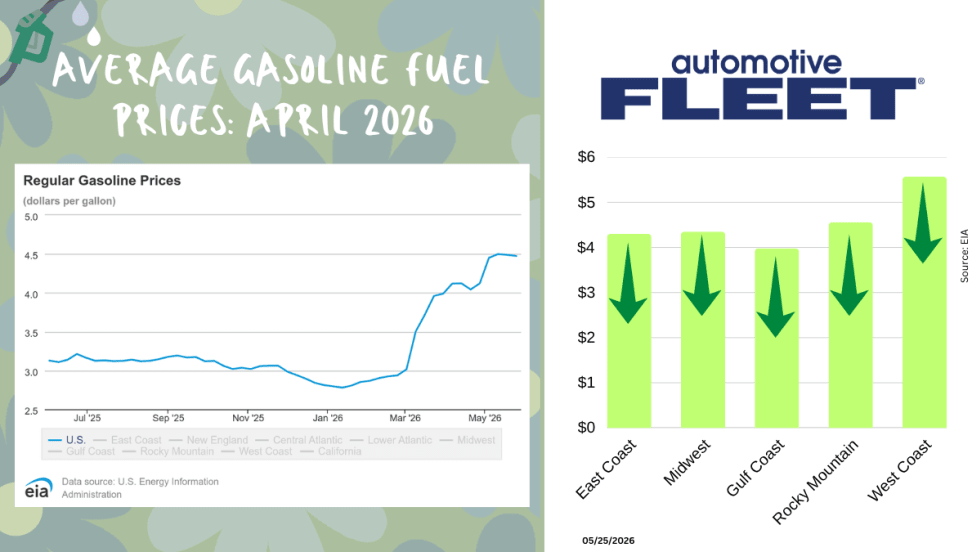
May Fuel Update: All Regions Experience Declines
Gas prices are finally easing in much of the country, but experts warn global tensions could quickly reverse the trend as the national average remains well above last month’s levels.
Read More →