




AAA’s Fuel Report Shows Oil and Gasoline Prices Moving in Opposite Directions
WASHINGTON - Crude oil prices have gone from $75.67 per barrel on October 4 to $100.99 in the second week (Dec. 5 through 9) in December while retail gasoline prices have dropped 15 cents during this same period.
WASHINGTON – WASHINGTON – AAA’s recent report on fuel prices showed crude oil moving up slightly over last week. Since October, crude oil prices have gone up substantially while retail gasoline prices have decreased.
Crude oil prices have gone from $75.67 per barrel on October 4 to $100.99 in the second full week in December. During this same period, gasoline prices dropped 15 cents per gallon. This price movement is due to historically weak demand for gasoline counteracting the price pressure that one would normally expect from higher crude oil prices, AAA stated.
What’s causing the rise in oil prices, according to AAA? With the European Union potentially working through its current debt crisis, and some positive signs for the U.S. economy, equities markets are on the rise. The relatively weak dollar and concerns over Iran are putting upward pressure on oil prices, too.
The effect of this upward pressure was an increase of 3 cents in the price of West Texas Intermediate (WTI) crude oil, at $100.99 at the close of the NYMEX on Monday. The previous week’s increase in crude oil prices occurred due to positive international and domestic news as well as increasing concern over Iran, according to AAA.
The weekly Department of Energy report last Wednesday showed domestic petroleum demand of just 17.946 million barrels per day, which is the lowest weekly number since June 2009. Although gasoline demand rose 177,000 barrels per day when compared with the previous week, the EIA attributed this increase in demand to Thanksgiving holiday travel. Demand was still 3.8 percent lower than the same period in 2010.
Global central banks last Wednesday announced a move to add liquidity to the financial system in order to address concern over the debt crisis in Europe. This news helped stock indices surge, with the Dow Jones Industrial Average posting its largest one-day gain in more than a year Oil prices move higher as well.
Despite the overall market surge, a negative U.S. Energy Information Administration (EIA) report noted a drawdown in crude oil stocks and weak domestic gasoline demand, both of which dampened crude oil prices, AAA reported.
On Thursday of last week, the EU and U.S. announced plans to tighten sanctions against Iran over its nuclear program. Although Iran said sanctions could send oil prices skyrocketing, traders didn’t take the threat seriously, so the impact on oil prices was minimal, according to AAA.
That said, the EU imported 450,000 barrels per day of crude oil from Iran last year, so if Iran makes good on any threats to reduce oil exports (or the EU decides to stop importing Iranian oil), oil prices could increase significantly.
On Friday of last week, data showing a much better than expected jobs report boosted optimism about the U.S. economy recovering. Signs of a recovery tend to increase expectations that demand for oil will rise.
A recent report from Wright Express shows gas prices heading downward in the near future, but the company expects prices to start heading upward again as we move into spring of next year.
More Fuel

Fuel Prices Surge in September | September Fuel Update
September brought major fuel price swings, including diesel crossing $6 a gallon. Here’s how gas and diesel prices changed throughout the month, and where they stood heading into October.
Read More →
Turning Fleet Payment Data into Executive Insights
Ramel Lindsay of U.S. Bank Voyager discusses how fleets can transform payment and transaction data into actionable intelligence to reduce costs, improve oversight, and support executive decision-making.
Read More →
Why the IRS Raised Its Mileage Rate in the Middle of 2026
Fuel-price volatility drove the rare increase to 76 cents per mile, the fifth midyear adjustment since 2000.
Read More →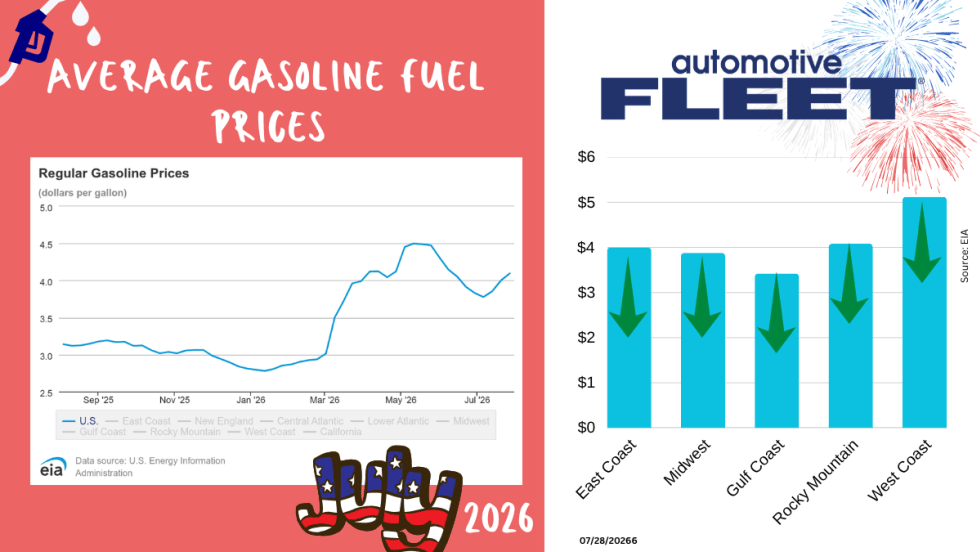
July Fuel Update: Prices Keep Rising in Light of More Conflict
Gas prices continue to rise as more and more conflicts do, too.
Read More →
Bob Adamsky on Fuel Volatility: "Don't Panic, Have a Plan."
When it comes to up and down fuel prices, Adamsky has a message for fleets: “Don’t panic.”
Read More →
How Fleets Can Gain Control of Non-Fuel Spend
Fuel often gets the spotlight, but non-fuel expenses can have a major impact on fleet costs. Ramel Lindsay of U.S. Bank Voyager discusses how fleets can gain better visibility and control over these often-overlooked expenditures.
Read More →
Fuel is Just the Start: How Middle East Tensions are Driving Up Fleet Maintenance Costs
The Middle East conflict is doing more than pushing up fuel prices. It’s also raising the cost of key maintenance products your fleet depends on, from motor oil to tires to windshield wipers. Here’s what you need to know about this budget-busting situation.
Read More →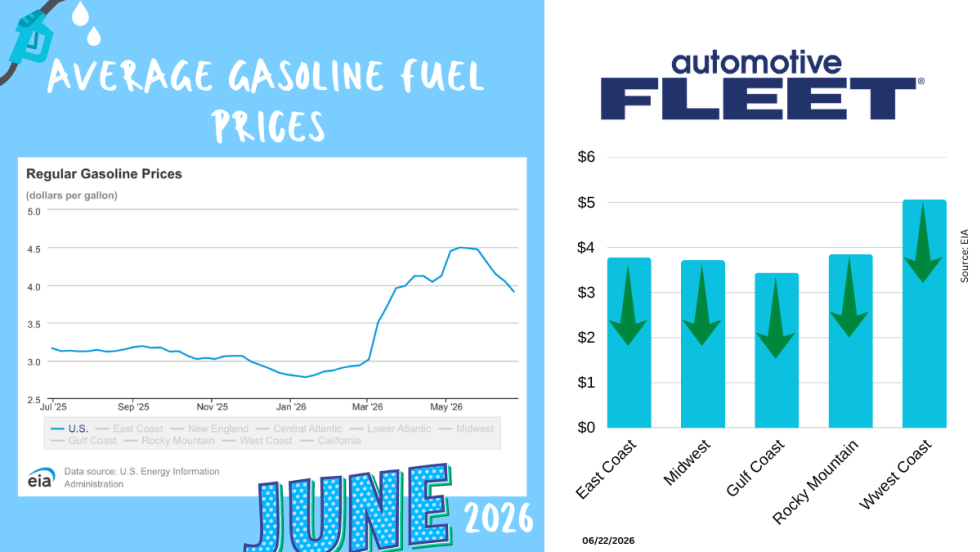
June Fuel Update: Prices Fall Below $4
Drivers are finally getting some relief at the pump. The national average gas price has dropped below $4 a gallon for the first time in months, with prices falling in 47 states as oil markets react to developments in U.S.-Iran negotiations.
Read More →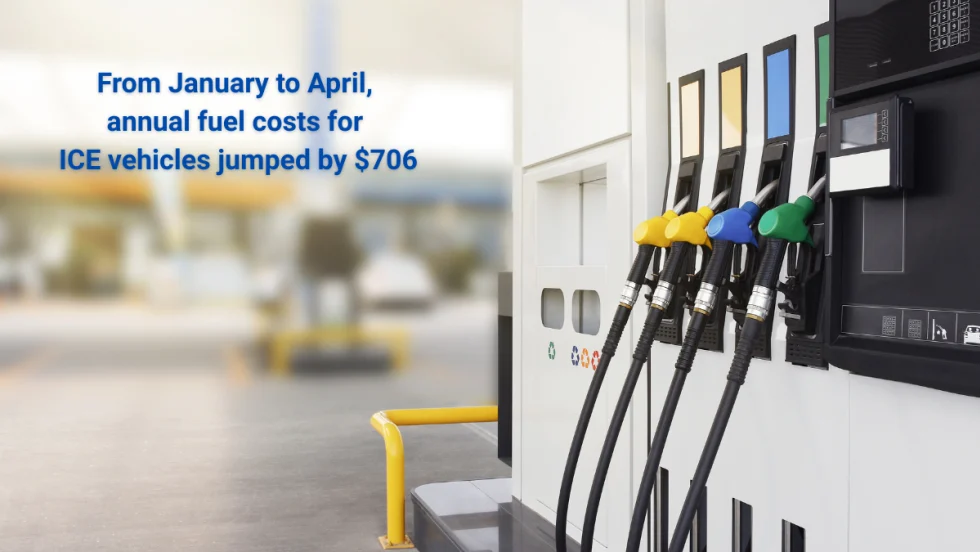
Study: How 2026's Gas Price Hikes Affect Different Vehicle Types
New data from iSeeCars reveals how rising fuel costs have affected different vehicle segments as gasoline prices climbed nearly 46% over the past four months.
Read More →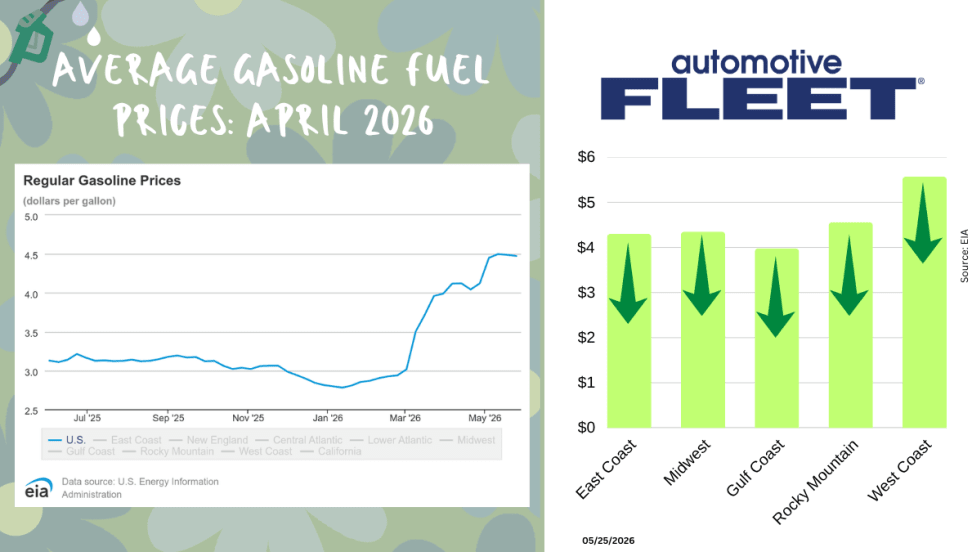
May Fuel Update: All Regions Experience Declines
Gas prices are finally easing in much of the country, but experts warn global tensions could quickly reverse the trend as the national average remains well above last month’s levels.
Read More →