




AAA Pushes to Ban Texting While Driving
WASHINGTON, D.C. --- AAA announced that the motor club plans to work to pass laws banning text messaging by drivers in all 50 states by 2013.
WASHINGTON, D.C. --- AAA announced that the motor club plans to work to pass laws banning text messaging by drivers in all 50 states by 2013.
In explaining its decision, the organization cited strong public support for the laws, the danger of distracted driving, and new research by the Automobile Club of Southern California showing the impact of California's texting ban.
AAA will join the AAA Foundation for Traffic Safety to call on motorists to drive distraction-free for the week of October 5-11 as part of its inaugural "Heads Up Driving Week: Try it for a week, do it for life" campaign.
"The new technologies that help us multitask in our everyday lives and increasingly popular social media sites present a hard-to-resist challenge to the typically safe driver," said AAA President and CEO Robert L. Darbelnet. "Enacting texting bans for drivers in all 50 states can halt the spread of this dangerous practice among motorists nationwide, and is a key legislative priority for AAA in state capitols."
Currently, 18 states and the District of Columbia have laws that address text messaging by all drivers. Two more states have laws that prohibit teens or other new drivers from texting while driving. Laws differ across the states and some have significant shortcomings, according to AAA.
"AAA will lobby nationwide to pass laws in states that lack them and improve existing laws against texting while driving," said Darbelnet. "We'll also continue our work through public education, driver training, and other safety programs to discourage motorists from engaging in the broad range of other distractions that tempt them while behind the wheel."
Recent high-profile texting crashes and a provocative PSA from the United Kingdom have brought the dangers of distracted driving, and texting while driving in particular, into the public spotlight. However, AAA Foundation research shows that approximately one in five U.S. drivers admit to texting while driving at least once in the last 30 days.
Multiple surveys of the general public and AAA's membership show that 80 to 90 percent of Americans support texting bans. AAA is advocating for laws that make it illegal for drivers of all ages to send, write or read a text message or e-mail while their vehicle is in motion.
The AAA legislative push to enact texting-while-driving bans is supported by new research released by the Auto Club of Southern California showing that the texting-while-driving ban implemented in California in January 2009 appears to be reducing texting by drivers.
Prior to the California texting-while-driving ban, researchers observed 1.4 percent of drivers at any point in time in Orange County, Calif., were texting while driving. Following the law taking effect, just 0.4 percent of drivers were observed texting -- a decline of about 70 percent overall. This indicates that banning texting while driving can potentially change driving behavior of motorists, reduce dangerous distracted driving, and improve safety, the Auto Club of Southern California concluded.
"We are pleased to see that the frequency of texting while driving dropped after the texting ban went into effect in California," said Darbelnet. "We hope that this new data will help influence lawmakers in other states to take action and pass similar legislation banning texting while driving."
The popularity of texting has grown quickly over the past four years. According to the wireless industry trade association, CTIA, the number of monthly texting messages reached 110 billion at the end of 2008, a more than 11-fold increase in three years.
Studies have shown texting while driving to be an extremely dangerous distraction for drivers because of the extended time drivers spend not looking at the road.
More Safety
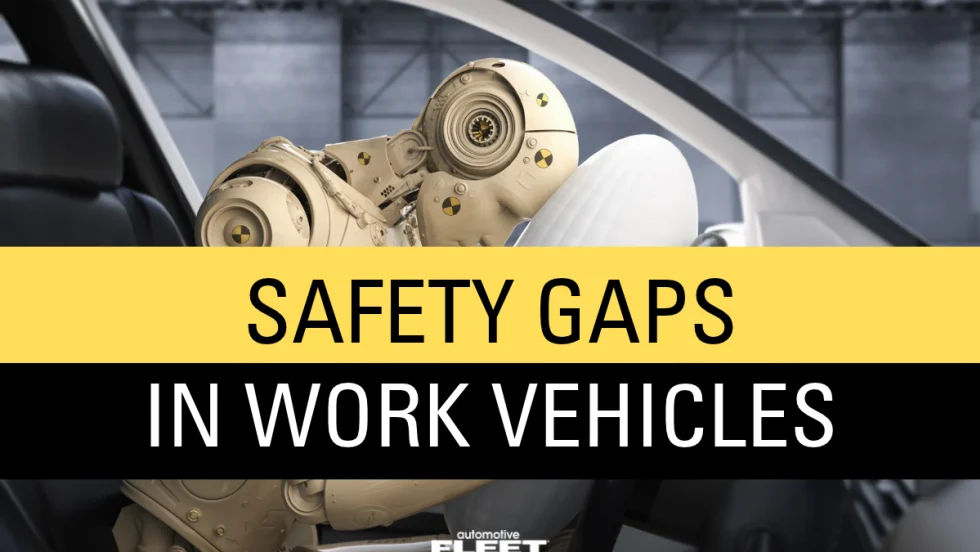
IIHS Crash Avoidance Tests Reveal Safety Gaps in Cargo Vans and Work Trucks
New crash-avoidance ratings from the Insurance Institute for Highway Safety reveal inconsistent performance among commercial vehicles, with several popular cargo vans and heavy-duty pickups struggling to avoid collisions with other vehicles and pedestrians.
Read More →
What’s Next for Fleet? Safety, AI & Industry Recognition | AF News Recap
Could your company's culture be encouraging distracted driving? This week, we're exploring how workplace expectations affect driver safety, what AI, EVs, and autonomous vehicles could mean for the future of fleet management, and how fleet professionals can strengthen their award nominations.
Read More →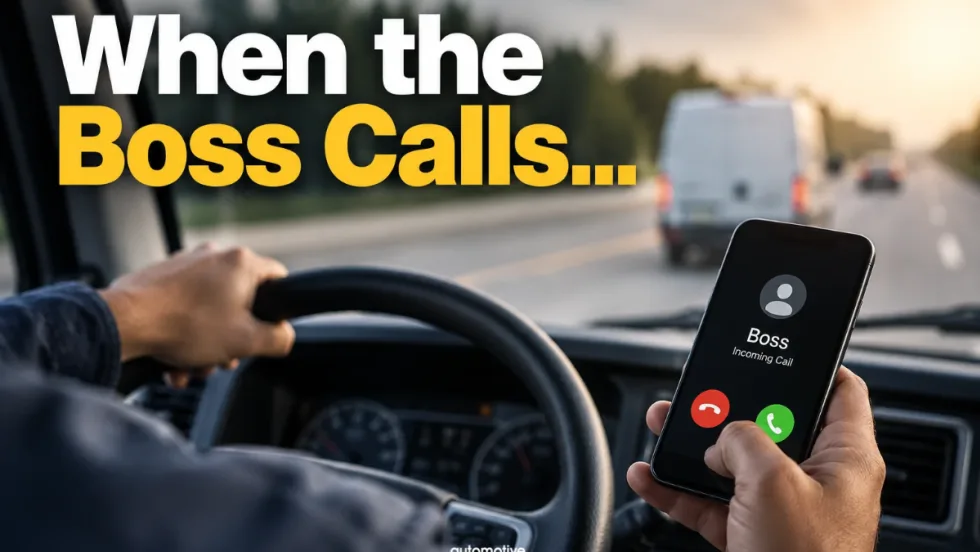
Does Your Fleet's Culture Encourage Distracted Driving?
What happens when the people responsible for enforcing safety rules are the ones setting the wrong example? The answer may reveal why some of the biggest risks to fleet drivers have little to do with what's written in the employee handbook.
Read More →
Fleet Manager’s Ultimate Playbook: Navigating the New Standard in OEM Connectivity
Rising operating costs, driver safety concerns, and unplanned downtime are putting unprecedented pressure on modern fleets. Discover how fleet managers use embedded OEM connectivity and real-time vehicle data to cut TCO, prevent downtime, and protect drivers without aftermarket telematics hardware.
Read More →
From Driver Well-Being to EV Charging | AF News Recap
Mental health belongs in the fleet safety conversation. This week, we’re looking at five ways fleets can support employee well-being before a crisis, plus Holman’s expansion in Mexico, new one-day Fleet Forward passes, and why EV charging demand is outpacing infrastructure growth.
Read More →
Nexar-Nauto Merger Aims to Give Fleets Better Safety Intelligence Through Larger Driving Dataset
Stefan Heck tells Automotive Fleet that combining more than 10 billion miles of driving history with Nexar's AI models will give fleets deeper insights into driver risk and roadway conditions than either company could provide independently.
Read More →
Don't Wait for a Crisis: 5 Ways to Build Mental Health Into Your Fleet Safety Program
For Suicide Prevention Month, fleet and safety leaders have an opportunity to put mental health where it belongs: at the center of workplace safety.
Read More →
How Camera Data Can Strengthen a Fleet’s Insurance Renewal
Insights from a commercial insurance carrier and a broker show how fleets can turn video telematic data, driver coaching, and improved claims results into a stronger case at insurance renewal.
Read More →
The Safest Fleets Aren’t the Ones with the Most Technology
You’ve made the telematics investment. Here’s how to capture the other half of its value and build the safest fleet on the road.
Read More →
Hidden in Plain Sight: Fleet Compliance Risks
Fleet compliance isn't just about having policies — it's about consistently enforcing them. This practical guide reveals six hidden compliance risks common in public sector and shared fleet operations and outlines proven strategies to improve visibility, accountability, and audit readiness
Read More →