




AAA Helps Aging Drivers Match Vehicles To Physical Changes
LOS ANGELES --- New research results show how physical conditions faced by senior adults can be mitigated by choosing a vehicle with the right set of features.
LOS ANGELES --- New research results show how physical conditions faced by senior adults can be mitigated by choosing a vehicle with the right set of features.
The research,"Smart Features for Mature Drivers," was released March 21 by AAA, in partnership with the University of Florida’s National Older Driver Research and Training Center (NODRTC). The publication identifies vehicle components that can assist drivers with visual, physical and mental changes that are frequently encountered as they age. The AAA information points out conditions often faced by senior adults, including diminished vision, arthritic hands, hip and leg pain, and limited upper-body range of motion. The publication also highlights vehicle features that best address each condition.
"Driving is a key to social interaction and healthy living and independence," said Steve Mazor of the Automobile Club of Southern California's Automotive Research Center in Diamond Bar, Calif. "This is important information for this growing segment of the driving population. We encourage older drivers and their families to use the "Smart Features for Mature Drivers" research as a guide when selecting their next vehicle or evaluating their current one because specific vehicle features can help improve driver safety and comfort."
Persons over age 65 represent the fastest growing population segment in the United States. According to the National Highway Traffic Safety Administration, there were more than 37 million people age 65 and older in the United States in 2006 and 29 million were licensed drivers in 2005. It is estimated that by 2020 there will be more than 40 million licensed drivers age 65 and older.
As a person ages, physiological changes can affect driving ability. Muscle strength, reaction times, range of motion and visual acuity tend to diminish as part of the natural aging process. Also, the increased prevalence of health issues such as arthritis, hip and knee joint pain or osteoporosis can reduce the ability to safely execute the complex task of driving.
In a recent survey, AAA found that 43 percent of motorists over the age of 55 suffered from at least one of nine driving-related difficulties commonly caused by aging, and nearly one out of four motorists over 55 plans to purchase a vehicle in the next two years.
Because everyone ages differently, AAA recommends mature drivers look for vehicles with features that address their specific needs and health issues. Some of the recommendations included in "Smart Features for Mature Drivers" include:
* Drivers suffering from hip or leg pain, decreased leg strength or limited knee range of motion should look for vehicles with six-way adjustable power seats and seat heights that come between the driver’s mid-thigh and lower buttocks. Both of these features can make it easier for drivers to enter and exit a vehicle.
* Drivers with arthritic hands, painful or stiff fingers or diminished fine motor skills would benefit from four-door models, thick steering wheels, keyless entry and ignition, power mirrors and seats and larger dashboard controls with buttons.
* Drivers with diminished vision or problems with low contrast sensitivity will benefit from vehicles with extendable sun visors, large audio and climate controls and displays with contrasting text.
"Smart Features for Mature Drivers" also includes vehicle features recommended for all seniors, regardless of their health issues, such as:
* Proven crashworthiness, crash test and rollover ratings from the National Highway Traffic Safety Administration (safercar.gov) and the Insurance Institute for Highway Safety (iihs.org/ratings)
* Side and dual-stage/threshold airbags that adjust the deployment force based on the severity of the crash
* Adjustable head restraints and extra padding
* Antilock brakes
* Dynamic stability control.
More Safety

Nominations Open for 2026 Fleet Safety Award
Nominations have officially opened for the 2026 Fleet Safety Award Winner.
Read More →
Turning Connected Vehicle Data Into Decisions That Matter
Fleet leaders have more data than ever, but turning that data into clear, actionable decisions remains a challenge. This white paper shows how leading organizations are using connected vehicle data to improve safety, reduce costs, and optimize fleet performance. Learn how to turn insight into action across your fleet.
Read More →
Cameras, Safety and Insurance: From Reactive Claims to Real-time Prevention
Commercial auto remains one of the most challenging and costly lines of coverage for fleet operators and insurers alike. Learn more about how to effectively address these issues from Onur Aksan, Enterprise Business Development Executive, Geotab.
Read More →

NAFA Fleet Safety Symposium to Collocate With 2026 Fleet Forward Conference
The daylong certificate program will precede the Fleet Forward Conference at the Gaylord National Harbor in Maryland.
Read More →
The Distractions You Can’t Turn Off: What Drivers Face Outside the Vehicle
Fleet drivers face constant visual, cognitive, and environmental interruptions the moment they hit the road. From roadside chaos to mental fatigue and digital overload, today’s biggest driving risks often come from outside the vehicle itself.
Read More →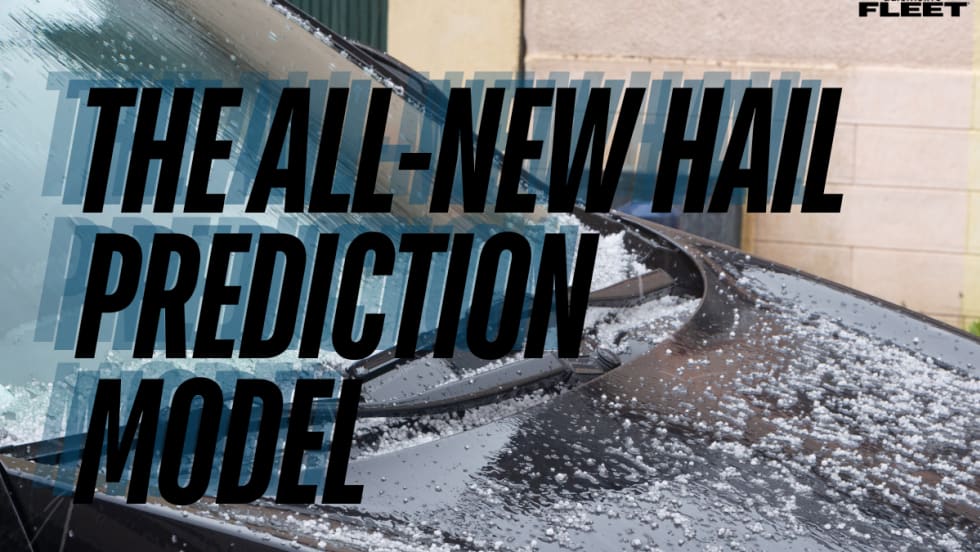
FLASH Weather AI Launches First Deep-Learning Hail Prediction Model With High-Resolution Forecasting
FLASH Weather AI has launched a first-of-its-kind hail prediction model capable of forecasting hail size and arrival time at 1-kilometer resolution up to 55 minutes ahead, giving fleets and insurers critical time to prepare for severe storms.
Read More →
How Coca-Cola United Protects Its Fleet from Growing Legal Risk
As litigation risk rises, vehicles are increasingly targeted. This Coca-Cola bottler shares how it’s reducing exposure through driver training, technology, and a proactive risk management approach.
Read More →
How to Speak the Same Language on Fleet Safety
Drivers, supervisors, and data often speak different safety “languages.” Getting on the same page will drive better results.
Read More →
Fleet Cybersecurity 101: What You Need from Your Technology Vendors
From identity management to third-party certifications, the right technology partner should make security easier to manage. Here are the three building blocks that fleet managers need to stay in control as connected systems scale.
Read More →
Reducing Risk by Eliminating Phone Use Behind the Wheel
Distracted driving remains one of the most persistent risks in fleet operations. New approaches focus on removing mobile device use entirely while adding real-time safety support.
Read More →