




AAA: 21 Percent of Fatal Crashes Linked to Drowsy Driving
The new report from the AAA Foundation for Traffic Safety updates previous research, applying data from 2009-2013.
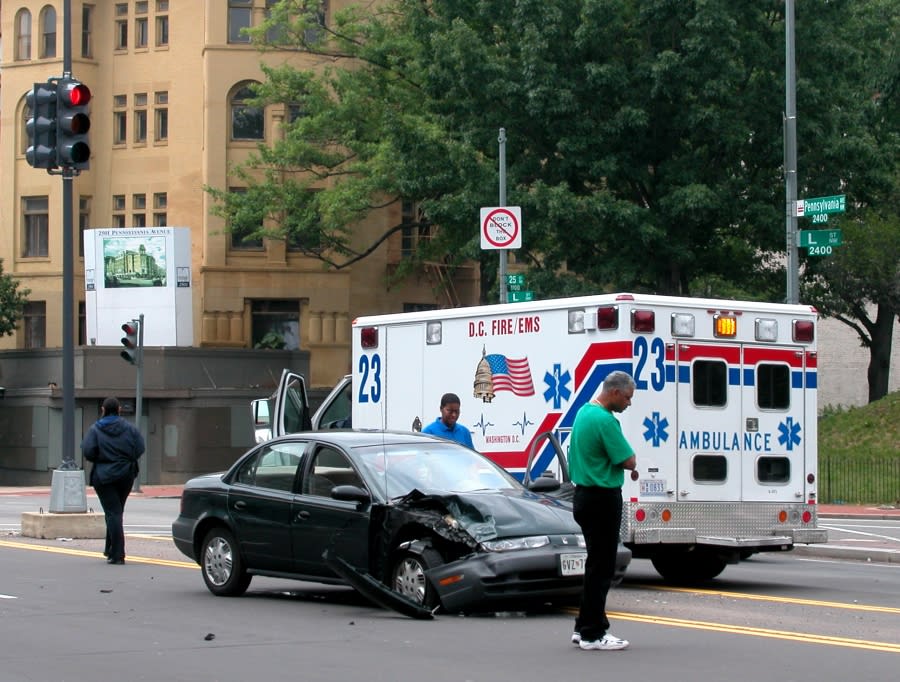
Photo courtesy of AAA Foundation for Traffic Safety.
Photo courtesy of AAA Foundation for Traffic Safety.
New research from the AAA Foundation for Traffic Safety has concluded that more than one in five (21 percent) fatal crashes involve driver fatigue.
Additionally, the study estimates that drowsy driving plays a role in 13 percent of crashes that result in a person requiring hospitalization and 7 percent of crashes requiring treatment for injuries.
These study results, the organization said, help confirm what safety experts have long suspected: The prevalence of drowsy driving is much greater than official statistics from the National Highway Traffic Safety Administration (NHTSA) currently indicate.
“This new research further confirms that drowsy driving is a serious traffic safety problem,” warned Peter Kissinger, president and CEO of the AAA Foundation for Traffic Safety. “Unfortunately, drivers often underestimate this risk and overestimate their ability to combat drowsiness behind the wheel.”
The report also found that one-third of crashes involving a drowsy driver result in injuries and more than 6,000 fatigue-related crashes each year result in at least one fatality.
Previous research from the AAA Foundation revealed that young adult drivers, ages 19-24, are the most likely to admit to driving while drowsy, with 33 percent reporting doing so in the last month. In contrast, the oldest drivers (ages 75+) and the youngest (ages 16-18) were the least likely to report the same offense.
“Despite the fact that 95 percent of Americans deem it ‘unacceptable’ to drive when they are so tired that they have a hard time keeping their eyes open, more than 28 percent admit to doing so in the last month,” Kissinger said. “Like other impairments, driving while drowsy is not without risk.”
AAA urges drivers to understand the warning signs of drowsy driving:
The inability to recall the last few miles traveled
Having disconnected or wandering thoughts
Having difficulty focusing or keeping your eyes open
Feeling as though your head is very heavy
Drifting out of your driving lane, perhaps driving on the rumble strips
Yawning repeatedly
Accidentally tailgating other vehicles
Missing traffic signs.
AAA urges drivers to find a safe place to pull over if they experience any of the drowsy driving symptoms.
To remain alert and be safer behind the wheel, AAA suggests:
Get plenty of sleep (at least seven hours), especially the night before a long drive
Drive at times when you are normally awake
Schedule a break every two hours or every 100 miles
Avoid heavy foods
Travel with an alert passenger and take turns driving
Avoid medications that cause drowsiness or other impairment
Consult with a sleep specialist or other medical professional if you have trouble getting enough rest or are chronically fatigued.
The AAA Foundation for Traffic Safety’s Prevalence of Motor Vehicle Crashes Involving Drowsy Drivers report is based on the analysis of a representative sample of 14,268 crashes that occurred in years 2009-2013 in which at least one vehicle was towed from the scene. Click here to download the full report.
AAA is highlighting the risks of drowsy driving in support of the National Sleep Foundation’s Drowsy Driving Prevention Week, which runs Nov. 2-9.
More Safety
Tips for Driving Safely on Halloween Night
This video features a reminder from the Connecticut Department of Transportation (DOT) and the Connecticut Police Chiefs Association, urging drivers to prioritize safety this Halloween.
Read More →
IIHS Crash Avoidance Tests Reveal Safety Gaps in Cargo Vans and Work Trucks
New crash-avoidance ratings from the Insurance Institute for Highway Safety reveal inconsistent performance among commercial vehicles, with several popular cargo vans and heavy-duty pickups struggling to avoid collisions with other vehicles and pedestrians.
Read More →
What’s Next for Fleet? Safety, AI & Industry Recognition | AF News Recap
Could your company's culture be encouraging distracted driving? This week, we're exploring how workplace expectations affect driver safety, what AI, EVs, and autonomous vehicles could mean for the future of fleet management, and how fleet professionals can strengthen their award nominations.
Read More →
Does Your Fleet's Culture Encourage Distracted Driving?
What happens when the people responsible for enforcing safety rules are the ones setting the wrong example? The answer may reveal why some of the biggest risks to fleet drivers have little to do with what's written in the employee handbook.
Read More →
Fleet Manager’s Ultimate Playbook: Navigating the New Standard in OEM Connectivity
Rising operating costs, driver safety concerns, and unplanned downtime are putting unprecedented pressure on modern fleets. Discover how fleet managers use embedded OEM connectivity and real-time vehicle data to cut TCO, prevent downtime, and protect drivers without aftermarket telematics hardware.
Read More →
From Driver Well-Being to EV Charging | AF News Recap
Mental health belongs in the fleet safety conversation. This week, we’re looking at five ways fleets can support employee well-being before a crisis, plus Holman’s expansion in Mexico, new one-day Fleet Forward passes, and why EV charging demand is outpacing infrastructure growth.
Read More →
Nexar-Nauto Merger Aims to Give Fleets Better Safety Intelligence Through Larger Driving Dataset
Stefan Heck tells Automotive Fleet that combining more than 10 billion miles of driving history with Nexar's AI models will give fleets deeper insights into driver risk and roadway conditions than either company could provide independently.
Read More →
Don't Wait for a Crisis: 5 Ways to Build Mental Health Into Your Fleet Safety Program
For Suicide Prevention Month, fleet and safety leaders have an opportunity to put mental health where it belongs: at the center of workplace safety.
Read More →
How Camera Data Can Strengthen a Fleet’s Insurance Renewal
Insights from a commercial insurance carrier and a broker show how fleets can turn video telematic data, driver coaching, and improved claims results into a stronger case at insurance renewal.
Read More →
The Safest Fleets Aren’t the Ones with the Most Technology
You’ve made the telematics investment. Here’s how to capture the other half of its value and build the safest fleet on the road.
Read More →