




8 Auto Tech Trends to Watch in 2019
Manufacturers are adding increasingly cutting-edge technology options to their vehicles, and the coming year should bring additional options to enhance safety and integrate smartphones.

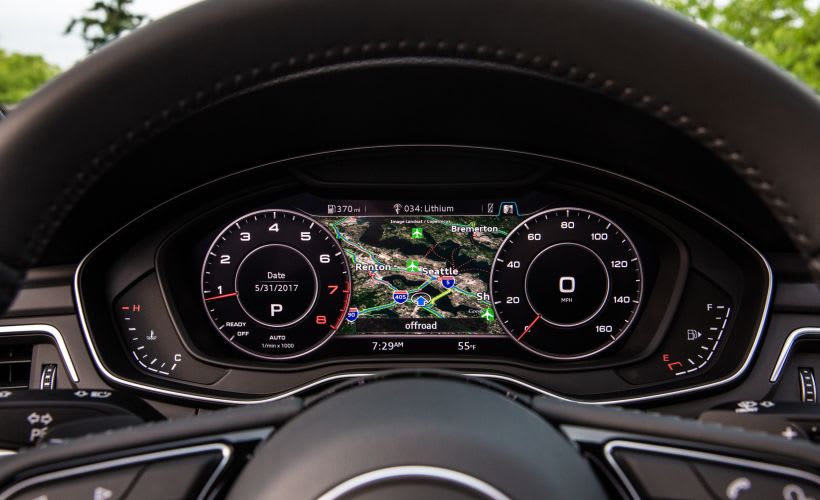
Digital instrumentation such as Audi's Virtual Cockpit (shown on 2018 A5 Sportback) has become an increasingly offered technology option.
Photo courtesy of Audi.
Manufacturers are adding increasingly cutting-edge technology options to their vehicles, and the coming year should bring additional options to enhance safety and integrate smartphones, according to the editors at Autotrader, who have released their list of the Best New Automotive Technology for 2019.
"From surround-view cameras to steering avoidance, new technology features can give drivers a better look at what's around them or extra help to prevent collisions," said Tara Trompeter, managing editor for Autotrader. "Car buyers can find many of these technology options in every segment, from sub-compact cars to full-size SUVs, making it worth checking closely to see what's available across different models and brands."
Autotrader's Best New Automotive Technology for 2019:
High-Resolution, Surround-View Cameras
Surround-view cameras are moving from luxury vehicles into mainstream sedans and family SUVs, including vehicles from Chevrolet and Nissan. These cameras can improve visibility outside of the vehicle to minimize blind spots and assist with parking. They also can be used inside the vehicle to keep an eye on back-seat passengers. Traditionally low-res feeds also are now being replaced with crisp, clean, high-res imagery.
Apple CarPlay and Android Auto
Many automakers are now offering a better way to connect your smartphone to the vehicle's infotainment screen, allowing you to take advantage of your apps, contacts and music. Chief among the benefits is the ability to use smartphone navigation apps. A few automakers, such as BMW, also are offering the connection wirelessly.
Wireless Charging
Tired of keeping track of those charging cords? New smartphones from Google, Apple and Samsung offer wireless charging capability. Automakers, including Honda, Hyundai, Ford and Toyota, have taken note and now offer a standard or optional feature to wirelessly charge devices through charging pads, typically in the center console.
App-Based Vehicle Control
Taking even greater advantage of your smartphone, automakers are increasingly allowing you to interact with your vehicles remotely using a mobile app. Honk the horn, flash the lights, start the car or monitor the area around your vehicle — all from the app. Tesla is a leader in this segment, while Buick, Chevrolet, BMW, Lincoln, Volvo and others offer their own solutions. Most are free or require a small monthly subscription fee.
Steering Avoidance
As we move closer to a fully automated future, new features inch closer to that reality. Vehicles from Volvo, Lexus and others can be had with steering avoidance systems able to automatically swerve to miss objects in the road ahead or keep your car centered in the lane.
Digital Gauges
Digital gauges in some models are replacing static, physical gauges to create a dynamic screen for sharing more relevant and customizable information. Audi's Virtual Cockpit system is one of the leading designs in the industry, but more mainstream automakers, including Ford and Mazda, have adopted their own variations of the digital gauge cluster as well. These gauges can provide a better view of vehicle behavior and performance, such as fuel efficiency, and also can incorporate navigation directions.
Road Scanning
A more advanced feature found in luxury lines, road scanning uses cameras to search the road ahead for imperfections and automatically adjust the vehicle's suspension to account for them. Mercedes-Benz's Magic Body Control is among the leaders in this area. While not widely available yet, road scanning systems can deliver a smoother, quieter ride and should be considered for high-end vehicles.
Semi-Autonomous Driving
While we're still years from a vehicle that can drive itself without any human input, semi-autonomous driving features that compensate for human error are becoming more commonplace. The most noteworthy development in this area is Cadillac's Super Cruise system, which can pilot the vehicle at speeds of zero to 85 miles per hour, allowing the driver to take their hands off the wheel. Tesla and other automakers have their own versions of this technology, and more automakers are expected to introduce their own versions in the very near future.
More Vehicle Research
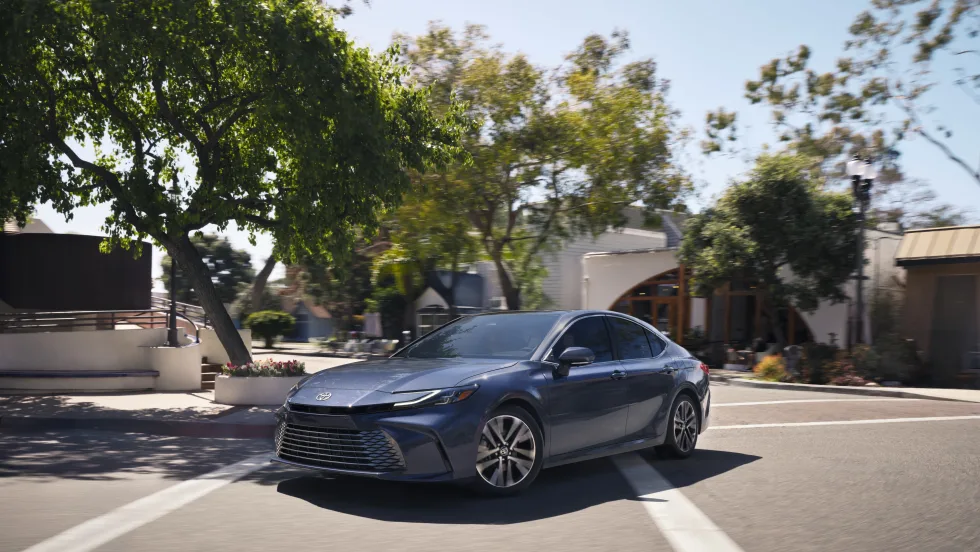
2027 Toyota Camry Offers Hybrid Powertrain Across Five Grades
The 2027 Toyota Camry is a carryover with new pricing.
Read More →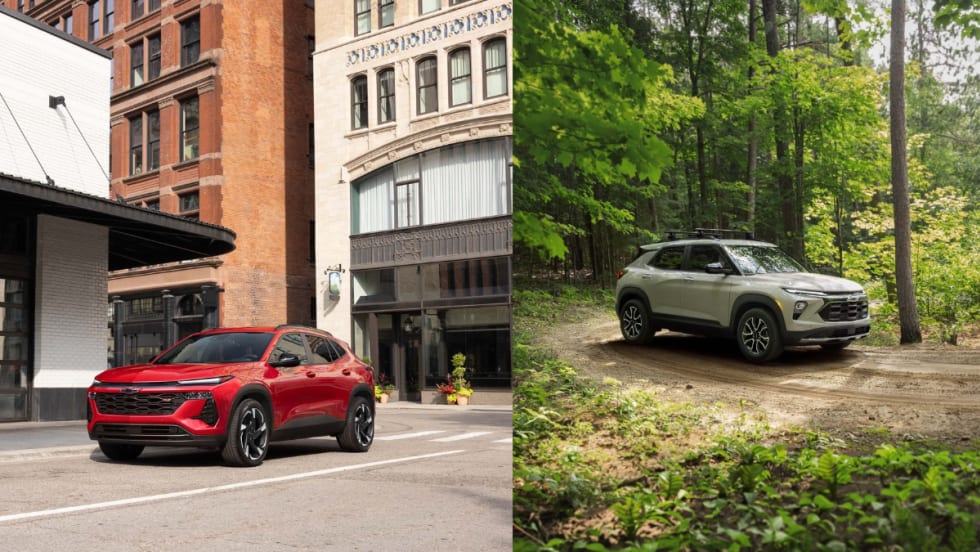
Chevrolet Updates 2027 Trax and Trailblazer with More Standard Safety Features
Chevrolet is updating two of its smallest SUVs with added driver-assistance technology, redesigned interiors, and revised trim options. The changes could add more safety equipment as standard for commercial fleets, while a new Trailblazer configuration adds another all-wheel-drive option.
Read More →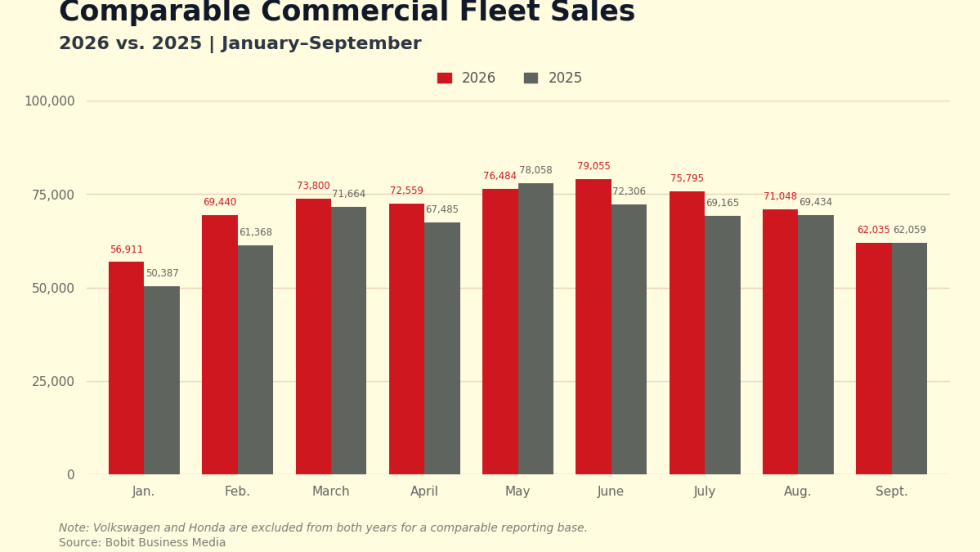
Commercial Fleet Sales Rise 5.8% Through September 2026
September commercial fleet sales were essentially unchanged from a year earlier, slowing year-to-date growth while keeping volume ahead of 2025.
Read More →
Hall of Fame Inductee: John Dmochowsky
The longtime Mondelēz International fleet executive joins the Automotive Fleet Hall of Fame.
Read More →
Hall of Fame Inductee: Lee Miller
After more than four decades at Boehringer Ingelheim, Lee Miller leaves a legacy built on fleet expertise.
Read More →
Hall of Fame Inductee: Mark F. Petersen
From managing fleets of thousands of vehicles to advancing safety and mentoring fellow professionals, Mark F. Petersen made his mark across both the corporate and supplier sides of fleet.
Read More →
When Charger Downtime Becomes a Fleet Availability Problem
As EV deployments move beyond pilot programs, charger reliability can directly affect vehicle readiness, driver productivity and route scheduling.
Read More →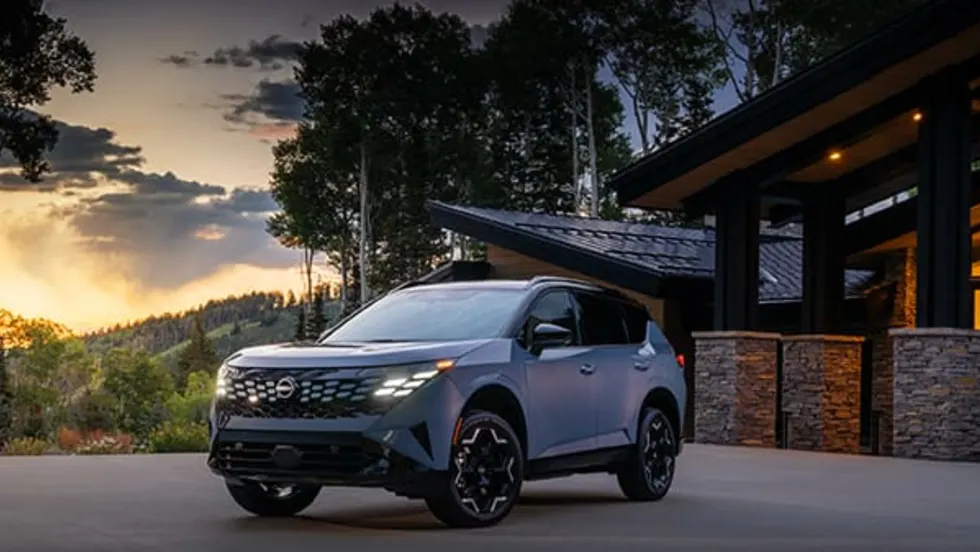
2027 Nissan Rogue Hybrid Adds e-POWER, Standard AWD
The new Rogue Hybrid uses Nissan’s e-POWER system with dual electric motors, offers an estimated 40 mpg and starts at $35,490.
Read More →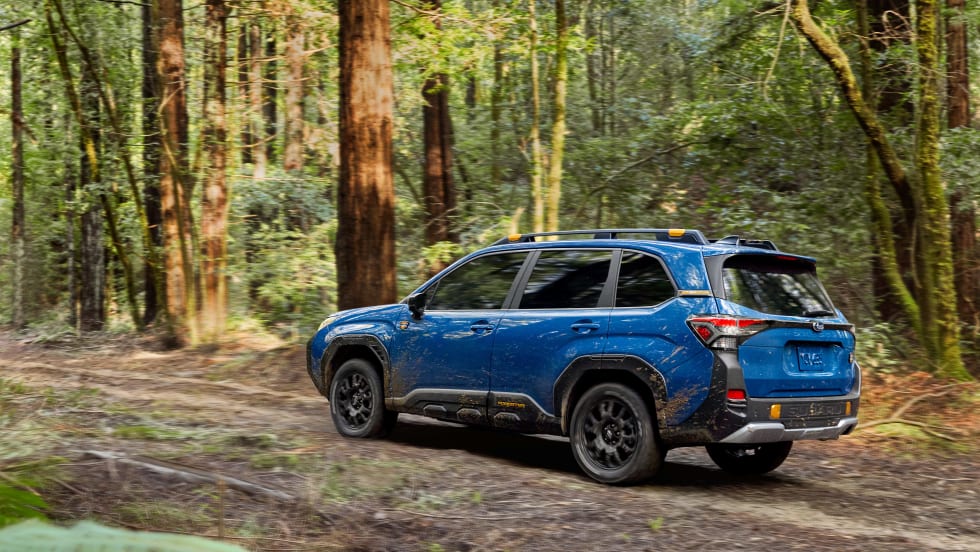
2027 Subaru Forester Adds First Wilderness Hybrid
The 2027 Forester lineup starts at $29,995 and adds a Wilderness Hybrid with 194 combined horsepower and 9.3 inches of ground clearance.
Read More →
EV Realty Names Henrik Holland President as Charging Platform Expands
The former Prologis Mobility and Shell executive will help expand EV Realty’s truck charging business and move its power-first infrastructure model into autonomous vehicle depots and other fleet sectors.
Read More →