




'08 Cadillac DTS Offers New Safety Systems
DETROIT --- The 2008 Cadillac DTS features two new available safety technologies: GM's lane departure warning system and GM's side blind zone alert system.
DETROIT --- The 2008 Cadillac DTS features two new available safety technologies: GM's lane departure warning system and GM's side blind zone alert system. The former is designed to help drivers avert a collision caused by an inadvertent lane change, while the latter increases drivers' awareness of objects that may otherwise escape their vision. The lane departure system uses a camera placed between the inside rearview mirror and the windshield to detect lane markings on the road and alert drivers when they inadvertently stray from the lane. A driver traveling at 35 mph or more who crosses a detected lane marking without signaling is alerted in a couple of ways --- a telltale light flashes amber and three beeps are sounded. The side blind zone alert system uses radar sensors behind the rear fascia on both sides of the vehicle. They signal an audible and visual alert whenever objects are detected in "blind zones." Alternating radar beams sweep adjacent areas to cover a zone of about one lane over from both sides of the vehicle --- about 11 feet. The zone starts at each side mirror and extends back about 16 feet. The side blind zone alert system, however, is not designed to detect vehicles outside of the side blind zone that may be rapidly approaching. Neither is it designed to detect pedestrians, bicylists or animals. Further, the system displays aren't triggered when the vehicle is approaching or passing other vehicles. Nor is it triggered by fire hydrants or parked cars. Both safety systems can be turned on and off by the driver.
More Safety
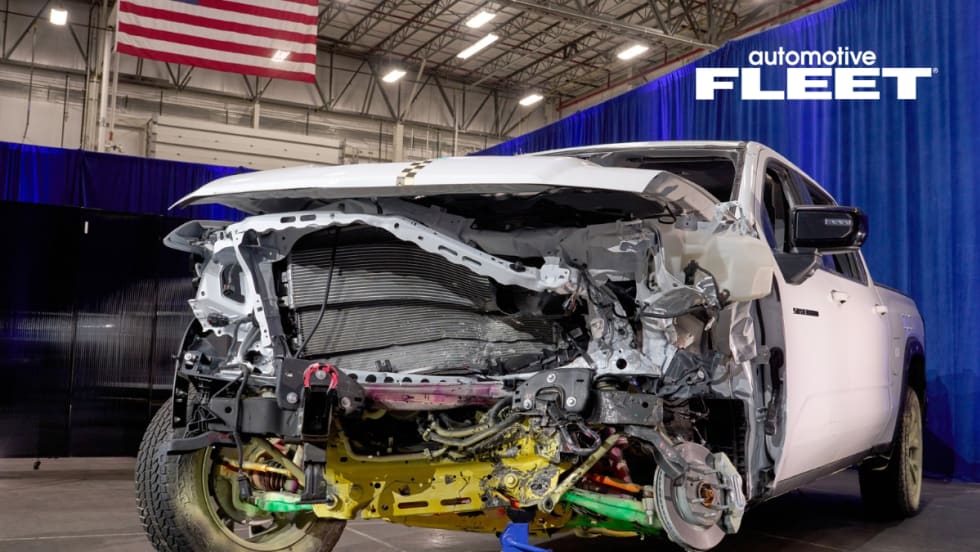
GM Conducts 92,000 Virtual Crash Tests for 2027 Chevrolet Silverado 1500
General Motors used computer simulations to evaluate crash scenarios, occupant protection and vehicle design variations before conducting physical crash tests.
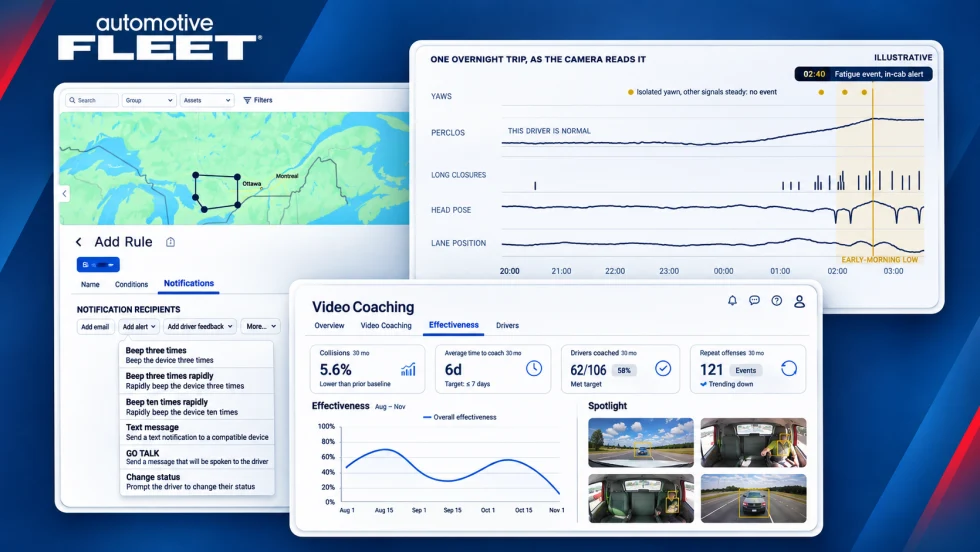
Geotab Adds AI-Powered Driver Coaching and Fatigue Detection Features
New capabilities include fatigue monitoring, two-way audio, coaching effectiveness analytics and location-based privacy controls for fleet safety management.
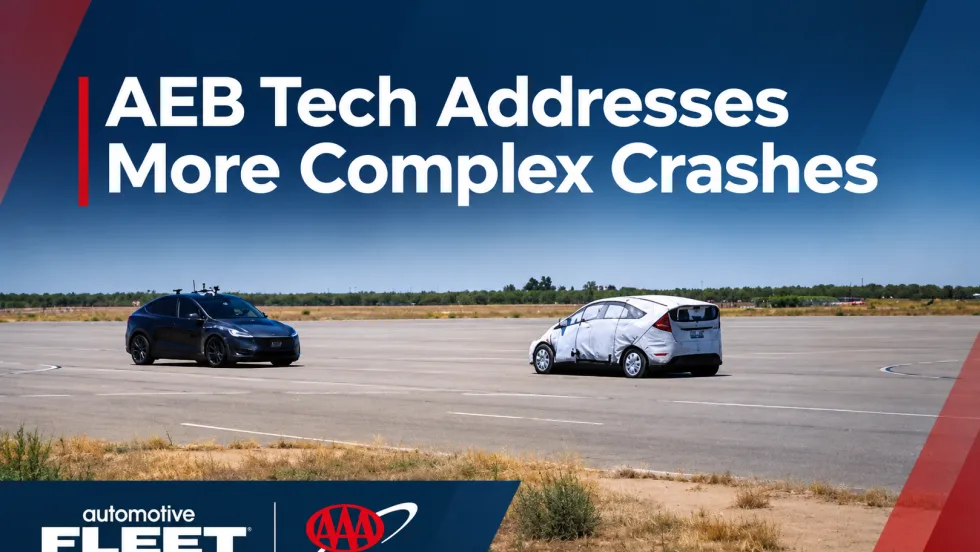
AAA Testing Finds Gaps in Intersection AEB Crash Prevention
Testing of four 2026 model-year vehicles found that automatic emergency braking prevented collisions in standardized intersection scenarios, but three vehicles failed to avoid crashes when another vehicle turned into their path.

Which Fleet Types Have the Highest Severe Speeding Rates?
New research from SambaSafety finds significant differences in speeding rates across fleet industries, even as nearly 90% of surveyed fleets report using telematics.
When a Cyberattack Hits Your Fleet: What Happens Next?
“You have two opportunities to test your plans: when you choose or when the threat actor chooses.” A cybersecurity expert reveals what fleet managers need to know before a cyberattack puts their operations at risk — and why the decisions made in the first moments can shape the entire recovery.
Tips for Driving Safely on Halloween Night
This video features a reminder from the Connecticut Department of Transportation (DOT) and the Connecticut Police Chiefs Association, urging drivers to prioritize safety this Halloween.
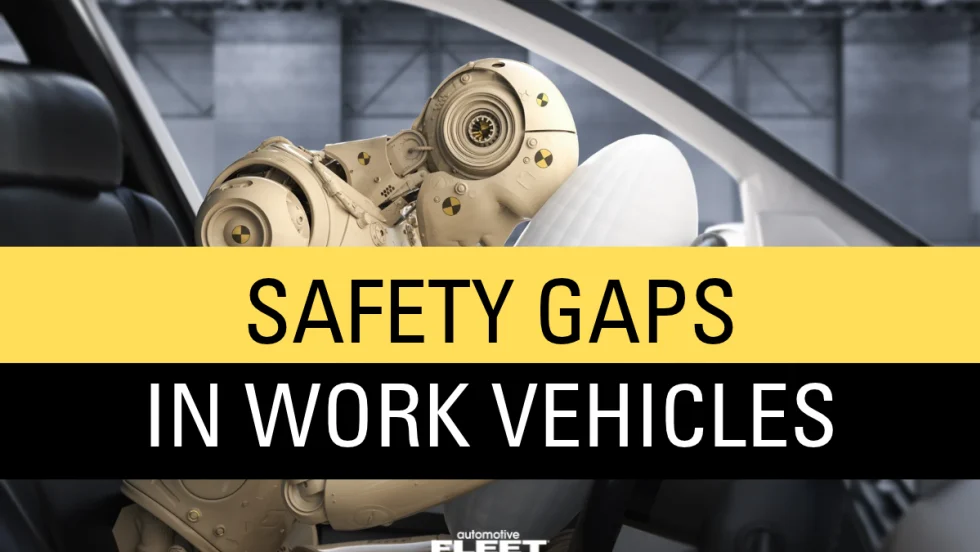
IIHS Crash Avoidance Tests Reveal Safety Gaps in Cargo Vans and Work Trucks
New IIHS crash avoidance ratings show uneven performance among cargo vans and heavy-duty pickups, with most struggling to avoid vehicle-to-vehicle collisions.
What’s Next for Fleet? Safety, AI & Industry Recognition | AF News Recap
Could your company's culture be encouraging distracted driving? This week, we're exploring how workplace expectations affect driver safety, what AI, EVs, and autonomous vehicles could mean for the future of fleet management, and how fleet professionals can strengthen their award nominations.

Does Your Fleet's Culture Encourage Distracted Driving?
What happens when the people responsible for enforcing safety rules are the ones setting the wrong example? The answer may reveal why some of the biggest risks to fleet drivers have little to do with what's written in the employee handbook.
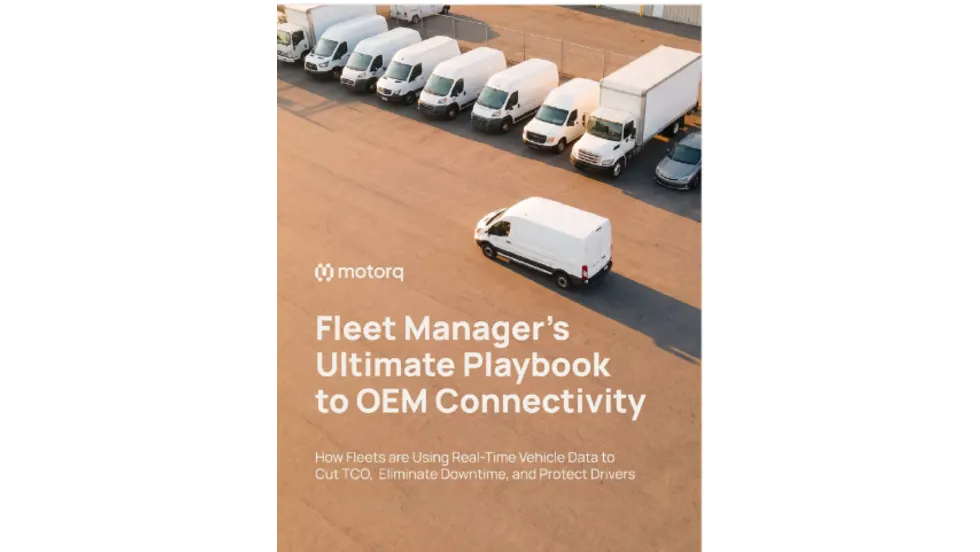
Fleet Manager’s Ultimate Playbook: Navigating the New Standard in OEM Connectivity
Rising operating costs, driver safety concerns, and unplanned downtime are putting unprecedented pressure on modern fleets. Discover how fleet managers use embedded OEM connectivity and real-time vehicle data to cut TCO, prevent downtime, and protect drivers without aftermarket telematics hardware.