




31% Say Self-Driving Cars Safer Than Distracted Drivers
New research indicates that one in three Americans would feel safer knowing autonomous vehicles were on the road.
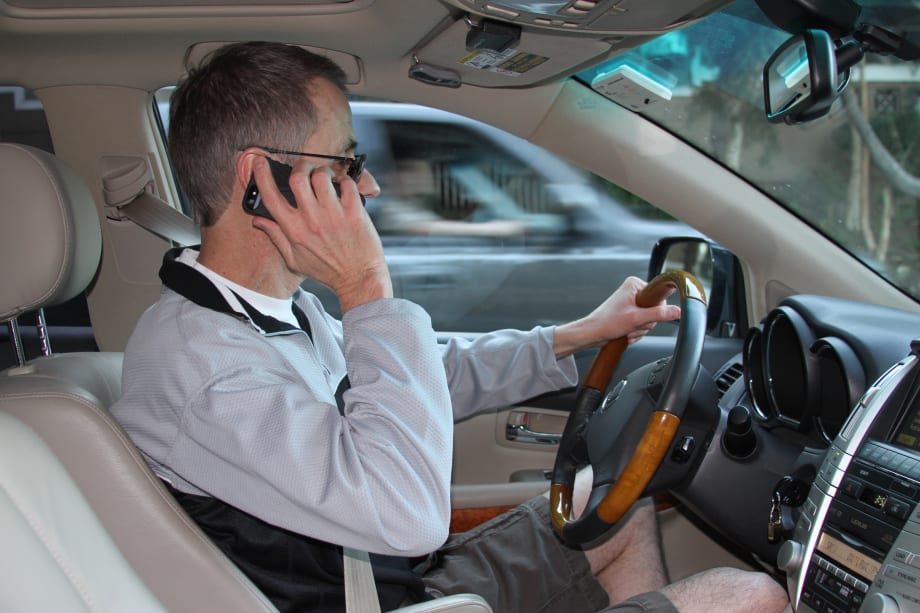
Automotive Fleet photo.
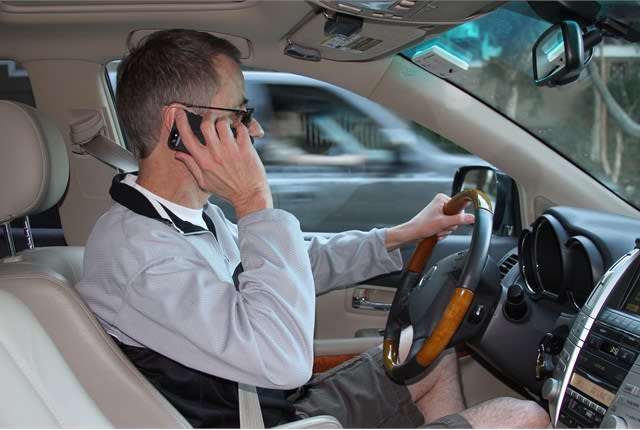
Automotive Fleet photo.
A new survey from Mobileye highlights changing American perspectives on the threat of distracted driving and the future role of autonomous vehicles in preventing crashes.
Nearly one in three polled Americans (31 percent) said they’d feel safer knowing autonomous cars were on the road. Almost half of cyclists (46 percent) who had biked in the past month said they would feel safer with such self-driving vehicles on the road.
The threat of distracted driving is helping to fuel growing American support for autonomous vehicle development and advanced collision avoidance systems, according to Mobileye.
More than half of surveyed American drivers (54 percent) claimed they’re distracted only 10 percent of the time or less while behind the wheel. But one in 10 (10 percent) reported they had been hit or almost hit by a vehicle more than once while walking in the past six months. In fact, one in six Americans (16 percent) said they had been hit or almost hit at least once in the past six months while walking.
Clearly, Americans are more distracted than they realize, and cities and fleet owners face an increasing challenge to help curb America’s bad driving habits, Mobileye said of the survey results.
Mobileye, a developer of advanced collision-avoidance systems, commissioned YouGov to poll the views of 1,078 American adults about their experiences on the road and their vision of an accident-free future. Pedestrians, cyclists and drivers alike reported frequent collisions or near misses in the past six months.
Poll results highlighted the need for better efforts to understand driver distractions and urban infrastructure “pain points” that create safety risks.
Here are some additional key survey findings:
Nearly one in 10 Americans (9 percent) reported they had to make a trip to the hospital for an injury that resulted from a car accident where the driver was distracted.
One in eight Americans (13 percent) didn’t have to visit the hospital, but reported an accident they have been in resulted from driver distraction.
Millennials (ages 18-34) are more at risk than other age groups to be hit by a vehicle. One in six (16 percent) said they had been hit or almost hit by a vehicle while walking in the past six months.
Just over one in 10 Americans (11 percent) in the Northeast and one in seven Americans (15 percent) in the Western U.S. have been hit or almost hit by a vehicle more than once while walking in the past six months, compared to just 5 percent in the Midwest and 9 percent in the Southern part of the country.
One in five (21 percent) cyclists who have biked in the past month reported that they have been hit or almost hit by a car at least once while on a bicycle in the past six months.
One in 11 (9 percent) cyclists reported having been hit or almost hit more than once in the past six months while cycling.
Just over one in six Americans (18 percent) reported they have been in a public or car service vehicle (taxi, city bus, Uber, airport shuttle, etc.) that has been in an accident.
Just over one in 10 (11 percent) Americans said they had not been in an accident with those types of vehicles but did know someone who had.
“Whether it’s a bus driver trying to navigate a crowded intersection or a car service trying to find the right gate at the airport, there are so many potential ways for a driver to be distracted that are beyond their control,” said Yonah Lloyd, chief communications officer and senior vice president of business development at Mobileye. “The hope for governments, municipalities, fleet owners and car manufacturers tasked with addressing these challenges can be found with new technology available, including Mobileye, that can provide the tools needed for safe driving behavior.”
According to Mobileye, car manufacturers and commercial fleet owners can proactively look toward current and future technology to promote greater safety on the road.
The top five in-demand safety features, reported by Americans who think high-tech safety features should be installed as standard on new vehicles, were:
Forward collision warnings (71 percent)
Pedestrian/bicycle detection (71 percent)
Lane departure warnings (70 percent)
Speed limit indicators (51 percent)
Headway (tailgating) monitoring (49 percent)
Pedestrian/bicycle detection was the most popular feature for cyclists (who had biked in the past month), with 75 percent of them saying they think the technology should be installed as standard.
“Mobileye’s research showed Americans are incredibly open to embracing new technologies if it can create a safer driving experience for everyone,” Lloyd said. “We are encouraged by the actions of agencies like NHTSA that have begun to incorporate active safety technology, such as that offered by Mobileye, into the star-safety ratings and by the many car manufacturers that are integrating such technology in their vehicles.”
The auto industry is shifting gears away from its traditional focus on injury mitigation, such as seat belts and air bags, to include complete accident prevention, Lloyd noted.
More Safety
IIHS Crash Avoidance Tests Reveal Safety Gaps in Cargo Vans and Work Trucks
New crash-avoidance ratings from the Insurance Institute for Highway Safety reveal inconsistent performance among commercial vehicles, with several popular cargo vans and heavy-duty pickups struggling to avoid collisions with other vehicles and pedestrians.
Read More →
What’s Next for Fleet? Safety, AI & Industry Recognition | AF News Recap
Could your company's culture be encouraging distracted driving? This week, we're exploring how workplace expectations affect driver safety, what AI, EVs, and autonomous vehicles could mean for the future of fleet management, and how fleet professionals can strengthen their award nominations.
Read More →
Does Your Fleet's Culture Encourage Distracted Driving?
What happens when the people responsible for enforcing safety rules are the ones setting the wrong example? The answer may reveal why some of the biggest risks to fleet drivers have little to do with what's written in the employee handbook.
Read More →
Fleet Manager’s Ultimate Playbook: Navigating the New Standard in OEM Connectivity
Rising operating costs, driver safety concerns, and unplanned downtime are putting unprecedented pressure on modern fleets. Discover how fleet managers use embedded OEM connectivity and real-time vehicle data to cut TCO, prevent downtime, and protect drivers without aftermarket telematics hardware.
Read More →
From Driver Well-Being to EV Charging | AF News Recap
Mental health belongs in the fleet safety conversation. This week, we’re looking at five ways fleets can support employee well-being before a crisis, plus Holman’s expansion in Mexico, new one-day Fleet Forward passes, and why EV charging demand is outpacing infrastructure growth.
Read More →
Nexar-Nauto Merger Aims to Give Fleets Better Safety Intelligence Through Larger Driving Dataset
Stefan Heck tells Automotive Fleet that combining more than 10 billion miles of driving history with Nexar's AI models will give fleets deeper insights into driver risk and roadway conditions than either company could provide independently.
Read More →
Don't Wait for a Crisis: 5 Ways to Build Mental Health Into Your Fleet Safety Program
For Suicide Prevention Month, fleet and safety leaders have an opportunity to put mental health where it belongs: at the center of workplace safety.
Read More →
How Camera Data Can Strengthen a Fleet’s Insurance Renewal
Insights from a commercial insurance carrier and a broker show how fleets can turn video telematic data, driver coaching, and improved claims results into a stronger case at insurance renewal.
Read More →
The Safest Fleets Aren’t the Ones with the Most Technology
You’ve made the telematics investment. Here’s how to capture the other half of its value and build the safest fleet on the road.
Read More →
Hidden in Plain Sight: Fleet Compliance Risks
Fleet compliance isn't just about having policies — it's about consistently enforcing them. This practical guide reveals six hidden compliance risks common in public sector and shared fleet operations and outlines proven strategies to improve visibility, accountability, and audit readiness
Read More →