




2013 Ford Taurus and Explorer, Lincoln MKS Draw NHTSA’s Highest NCAP Overall Score
DEARBORN, MI -- The 2013 model-year Ford Taurus, Ford Explorer and Lincoln MKS have earned the U.S. government’s top five-star overall vehicle score rating for performance in frontal and side-impact crash tests and resistance to rollover.
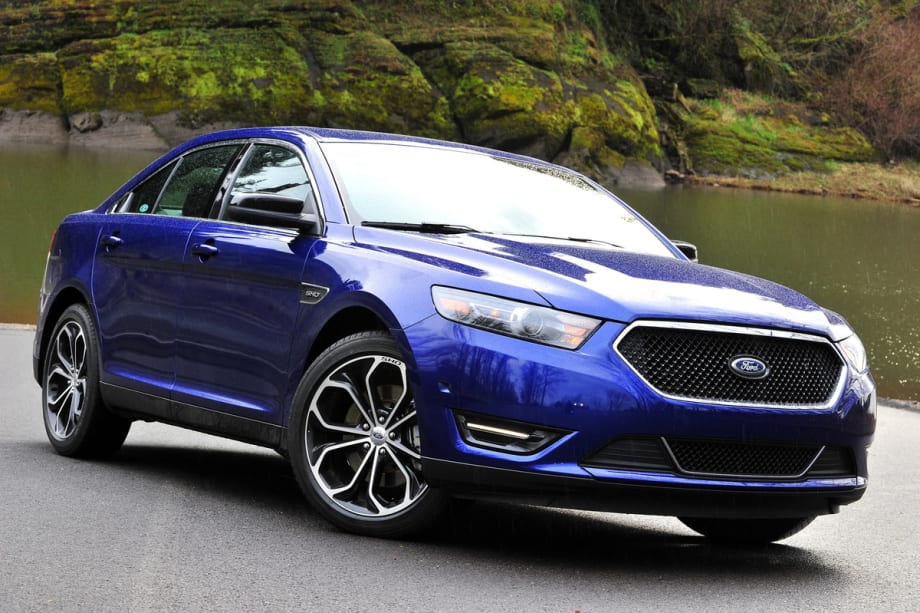
2013 Ford Taurus SHO
DEARBORN, MI – Three Ford Motor Co. vehicles – the 2013 model-year Ford Taurus, Ford Explorer and Lincoln MKS – have drawn the top safety rating from the National Highway Traffic Safety Administration (NHTSA). These vehicles earned a five-star overall vehicle score in NHTSA New Car Assessment Program (NCAP) testing, which combines vehicle performance in frontal and side-impact crash tests and resistance to rollover.
“These most recent crash test ratings from NHTSA are a validation that Ford is continuously innovating in the availability of safety technologies that benefit drivers and occupants in real-world accident situations,” said Robert Brown, Ford vice president of sustainability, environment and safety engineering.
The 2013 model-year Ford Taurus, Explorer and Lincoln MKS all have redesigned passenger airbags as well as redesigned restraint systems that include safety belt anchor pretensioners and locking safety belt tongues. Explorer also boasts Ford’s first passenger-side knee airbag.
2013 Ford Taurus SHO
Ford Taurus, Explorer and Lincoln MKS continue to offer a full range of standard and optional safety and driver assist technologies for the 2013 model year including:
• Dual-stage driver and front passenger airbags: Deploy at high or low output based on occupant size, seat position and safety belt status, and customize the inflation force to the severity of the impact
• Safety Canopy System: Combines a side air curtain and rollover sensor to help provide protection for outboard first- and second-row (and third-row in Explorer) occupants in certain side-impact and rollover situations
• Inflatable safety belts: Available in the second row of the 2013 Explorer, these provide additional protection to rear-seat occupants
• AdvanceTrac ESC (electronic stability control): Standard on Taurus and MKS; Explorer features AdvanceTrac with RSC (Roll Stability Control) as standard equipment
• Curve Control: Senses when the vehicle enters a curve too fast. System responds to the driver’s steering input by rapidly reducing torque and increasing brake pressure to help the driver follow the intended path
• Forward collision warning with brake support: Enabled by adaptive cruise control, provides a “heads-up” visual warning combined with an audio signal to alert the driver to slower-moving traffic ahead. The system also pre-charges the brakes to aid stopping
• SOS Post-Crash Alert System: Triggered in the event of airbag deployment or safety belt pretensioner activation to alert passersby and emergency services to vehicle location by unlocking the doors and activating the horn and emergency flashers
• Blind Spot Information System (BLIS) with cross-traffic alert: Helps detect vehicles in blind spots during normal driving and when traffic approaches from the sides when reversing out of parking spots
• MyKey: Allows parents or owners to limit certain vehicle functions to help promote safe driving habits for young or inexperienced drivers. MyKey includes the Belt-Minder “No Belt, No Tunes” feature, which can limit top speeds and audio volume, provide earlier low-fuel warnings, and prevent deactivation of driver assist features (such as park aid and BLIS). New MyKey features include “Do Not Disturb,” which blocks incoming phone calls and text messages while driving, and also provides the ability to block explicit satellite radio content.
The Ford Taurus, Ford Explorer and Lincoln MKS are produced at the company’s Chicago Assembly Plant and went on sale earlier this year.
More Safety
What’s Next for Fleet? Safety, AI & Industry Recognition | AF News Recap
Could your company's culture be encouraging distracted driving? This week, we're exploring how workplace expectations affect driver safety, what AI, EVs, and autonomous vehicles could mean for the future of fleet management, and how fleet professionals can strengthen their award nominations.
Read More →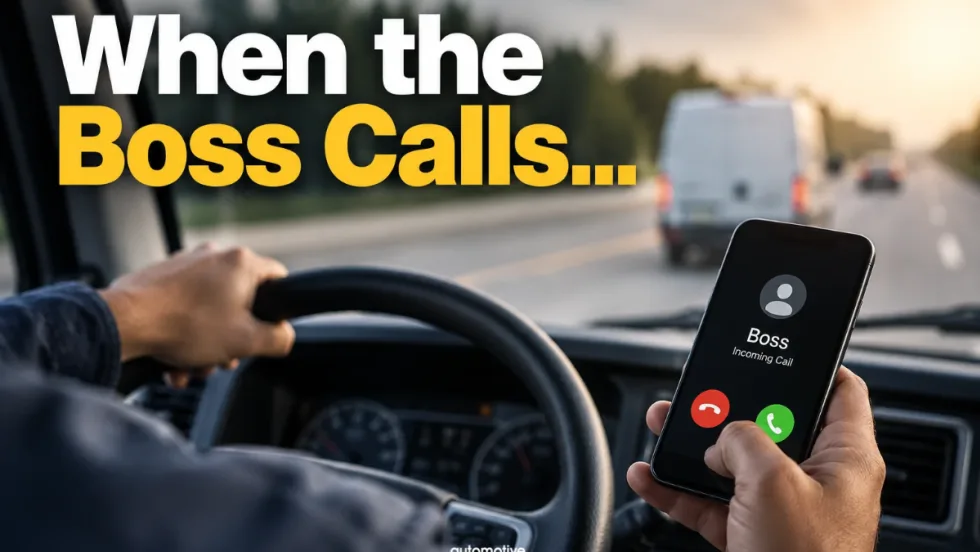
Does Your Fleet's Culture Encourage Distracted Driving?
What happens when the people responsible for enforcing safety rules are the ones setting the wrong example? The answer may reveal why some of the biggest risks to fleet drivers have little to do with what's written in the employee handbook.
Read More →
Fleet Manager’s Ultimate Playbook: Navigating the New Standard in OEM Connectivity
Rising operating costs, driver safety concerns, and unplanned downtime are putting unprecedented pressure on modern fleets. Discover how fleet managers use embedded OEM connectivity and real-time vehicle data to cut TCO, prevent downtime, and protect drivers without aftermarket telematics hardware.
Read More →
From Driver Well-Being to EV Charging | AF News Recap
Mental health belongs in the fleet safety conversation. This week, we’re looking at five ways fleets can support employee well-being before a crisis, plus Holman’s expansion in Mexico, new one-day Fleet Forward passes, and why EV charging demand is outpacing infrastructure growth.
Read More →
Nexar-Nauto Merger Aims to Give Fleets Better Safety Intelligence Through Larger Driving Dataset
Stefan Heck tells Automotive Fleet that combining more than 10 billion miles of driving history with Nexar's AI models will give fleets deeper insights into driver risk and roadway conditions than either company could provide independently.
Read More →
Don't Wait for a Crisis: 5 Ways to Build Mental Health Into Your Fleet Safety Program
For Suicide Prevention Month, fleet and safety leaders have an opportunity to put mental health where it belongs: at the center of workplace safety.
Read More →
How Camera Data Can Strengthen a Fleet’s Insurance Renewal
Insights from a commercial insurance carrier and a broker show how fleets can turn video telematic data, driver coaching, and improved claims results into a stronger case at insurance renewal.
Read More →
The Safest Fleets Aren’t the Ones with the Most Technology
You’ve made the telematics investment. Here’s how to capture the other half of its value and build the safest fleet on the road.
Read More →
Hidden in Plain Sight: Fleet Compliance Risks
Fleet compliance isn't just about having policies — it's about consistently enforcing them. This practical guide reveals six hidden compliance risks common in public sector and shared fleet operations and outlines proven strategies to improve visibility, accountability, and audit readiness
Read More →
NETS Sets 2026 Fleet Safety Benchmark Conference for Indianapolis
The Sept. 15–17 program will feature fleet benchmarking data, case studies, emerging technologies, and implementation strategies while running alongside the NSC Safety Congress & Expo.
Read More →