




2012 Buick LaCrosse with eAssist to Achieve 37 MPG
LOS ANGELES - Buick unveiled the 2012 LaCrosse with eAssist, a new fuel-saving technology that increases fuel economy by 25 percent compared to the four-cylinder/six-speed powertrain in the 2011 LaCrosse.
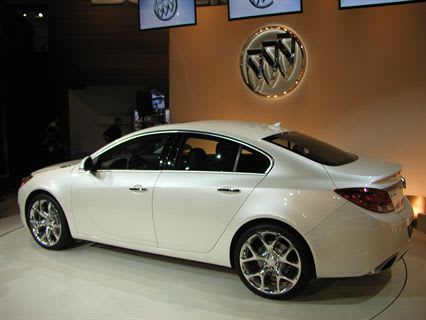
LOS ANGELES - Buick unveiled the 2012 LaCrosse with eAssist, a new fuel-saving technology that increases fuel economy by 25 percent compared to the four-cylinder/six-speed powertrain in the 2011 LaCrosse. The eAssist technology provides class-leading highway fuel economy of 37 mpg, while maintaining the luxury, performance and value expected from Buick's flagship sedan.
The eAssist system becomes the standard powertrain on LaCrosse starting next summer. The system uses a state-of-the-art lithium-ion battery system and electric motor-generator to enable regenerative braking capability to improve LaCrosse fuel economy by an estimated 25 percent.
Mated to a 2.4L Ecotec direct injection four-cylinder engine and next-generation six-speed automatic transmission, the eAssist system uses power stored in the battery to provide needed electrical boost in various driving scenarios, optimizing engine and transmission operation. An advanced 115V lithium-ion battery and latest-generation 15-kW motor-generator unit help increase fuel economy through:
Regenerative braking, which provides up to 15 kW of electricity to charge the battery.
Providing up to 11 kW (15 hp) of electric power assistance during acceleration.
Automatic engine shut-off when the vehicle is stopped.
Aggressive fuel cut-off during deceleration down to zero vehicle speed, enabled by the torque smoothing provided by the motor-generator unit.
Intelligent charge/discharge of the high-voltage battery.
Buick LaCrosse with eAssist technology also features improved underbody aerodynamics and tires optimized for performance and fuel economy, as well as active control of front-end airflow that improves aerodynamics and engine warm-up. Electronically controlled shutters in the lower grille close at higher speeds to push more air over the vehicle, which increases aerodynamic efficiency to enhance fuel economy. All of these technologies increase the eAssist system's regenerative braking capability, while also improving the vehicle's efficiency while driving.
LaCrosse with eAssist includes an ECO gauge on the instrument panel that continuously responds to driving behavior, enabling the driver to drive with maximum efficiency. It also features a hill-assist system that captures brake pressure to help the driver more comfortably accelerate from a stop on a moderate or steep grade. It does this by greatly reducing the tendency of the vehicle to roll backward with the engine in shut-down mode.
While the eAssist system shares the same basic belt-alternator-starter configuration of previous BAS designs, it delivers more than three times the power and is much more capable than the previous-generation BAS system, according to the automaker.
More Green Fleet

EV Charging Use Is Outpacing Infrastructure Growth
ChargePoint’s 2026 Charging Forward Report points to rising charger use, higher-powered charging, commercial vehicle electrification, and energy-management technology. Here’s what fleets should know.
Read More →
Merchants Fleet Reports 290M EV Miles as Fleets Navigate Changing Electrification Market
From millions in operating savings to hundreds of millions of EV miles, Merchants Fleet’s latest report reveals what’s working and what’s changing in fleet electrification.
Read More →
The EV Breakdown Nobody's Talking About: Why Most Electric Vehicle Roadside Calls Aren't Mechanical Failures
Here's why EV breakdowns are widely misunderstood.
Read More →
ChargePoint Now Available in Energy Pass
ChargePoint and additional planned charging network integrations were added to GM's Energy Pass.
Read More →

First Look: Slate Auto's Electric Fleet Pickup
Could an affordable, modular EV pickup make electrification more practical for fleets?
Read More →
Slate Debuts Colorful, Unique EV Models
A recent media and client event, studded with electric vehicles dressed up on platforms, planted a new position for the manufacturer in the wider EV market. Fleets will find cost-saving advantages.
Read More →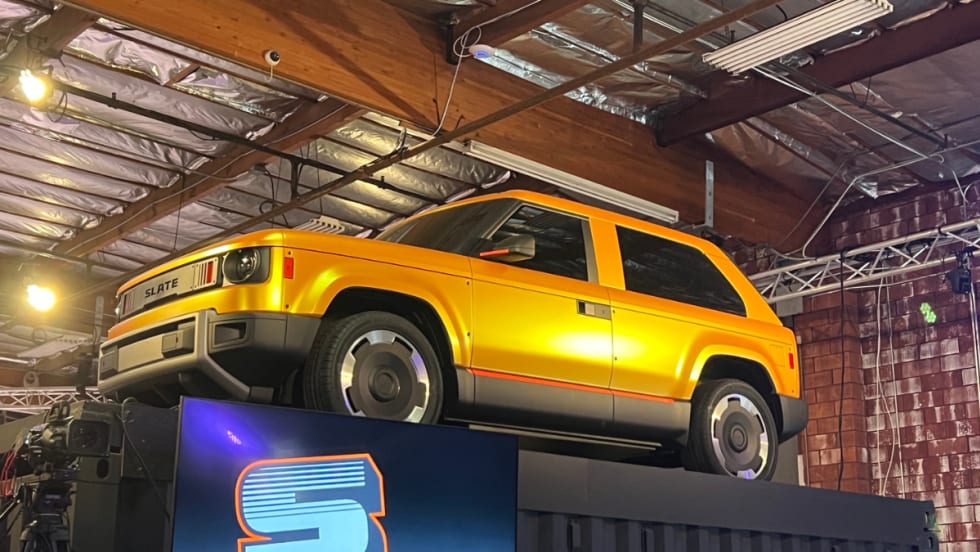
Slate Electric SUV, Pickup Switchable Model Aims For Light-Duty Fleets
Everything about this EV is counterintuitive and understated, making it stand out from the crowd.
Read More →
Inspiration Mobility Acquires Key Electrada Assets
Inspiration Mobility Group has acquired select assets of Electrada, adding the fleet electrification provider's team, technology, and charging infrastructure development capabilities to its energy management business.
Read More →
Turning Connected Vehicle Data Into Decisions That Matter
Fleet leaders have more data than ever, but turning that data into clear, actionable decisions remains a challenge. This white paper shows how leading organizations are using connected vehicle data to improve safety, reduce costs, and optimize fleet performance. Learn how to turn insight into action across your fleet.
Read More →