




2011 Ford Focus Officially Certified at 40 MPG
DEARBORN, MI - The new Focus uses a 2.0L gasoline direct-injection DOHC four-cylinder engine and Ford's six-speed PowerShift automatic transmission.
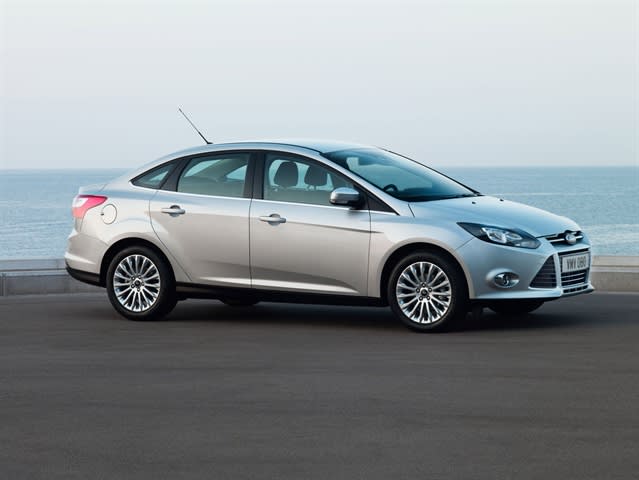
The 2011 Ford Focus with the SFE package is one of four Ford vehicles that achieve at least 40 mpg.
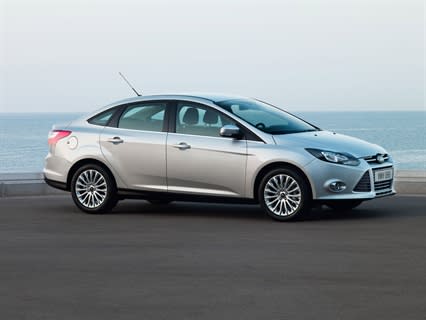
DEARBORN, MI- Ford announced that its new 2011 Ford Focus delivers an EPA-certified 40 mpg on the highway, and 28 mpg city.
Focus is fitted with a new 2.0-liter gasoline direct-injection DOHC four-cylinder engine that combines high-pressure direct injection and twin independent variable camshaft timing (Ti-VCT). This engine delivers more power than the current 2.0-liter Duratec unit featured in the North American Focus, according to Ford, while contributing to fuel economy gains of more than 10 percent.
To maximize its performance and economy advantage, the engine works with the dry-clutch six-speed Ford PowerShift automatic transmission. A high-efficiency dual dry-clutch design, the transmission alone can help to reduce fuel consumption by up to 9 percent compared to a traditional four-speed automatic, Ford stated.
The SFE package also includes 16-inch steel wheels with aero wheel covers, active grille shutters, high-efficiency tires, four-wheel disc brakes, rear spoiler, and a special SFE badge.
With the new Focus, four 2011 models achieve at least 40 mpg – the Ford Fiesta SE with SFE package (40 mpg highway) and the Ford Fusion Hybrid and Lincoln MKZ Hybrid (41 mpg city).
More Operations

The Top 300 Commercial Fleets
The Top 300 Commercial Fleets: See the List
Read More →

Your Local Dealer Knows More Than You Think
Your local dealer can provide an information advantage that extends well beyond courtesy deliveries.
Read More →


Fleet Meets: Austin Schutte
Here are some industry insights, personal touches, and words of advice from the CEO and Founder of Anew Solutions.
Read More →
Soap Box Derby Challenge: What’s Powering Team Brown
The car is coming together, the students are solving real build problems, and the fleet industry is helping push Team Brown toward the starting line.
Read More →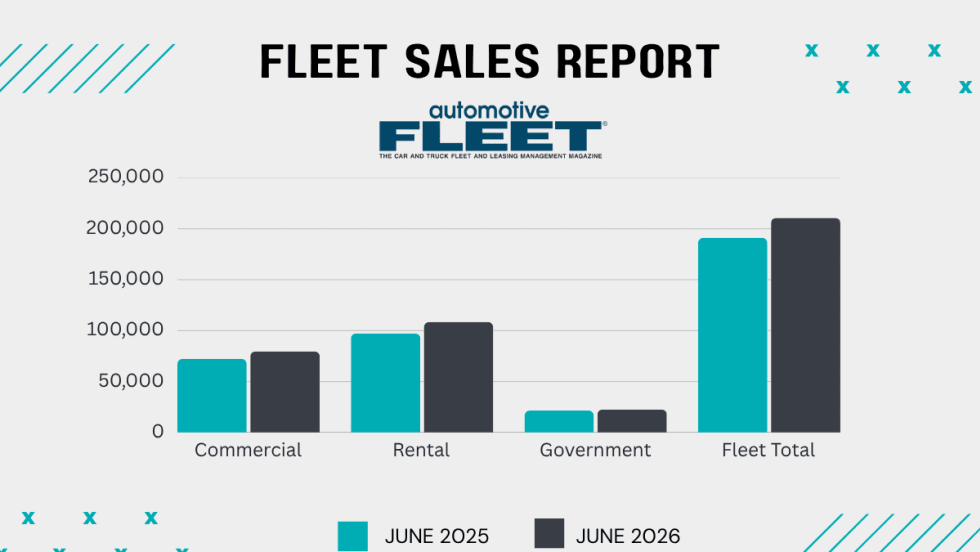
Commercial Fleet Sales Contribute To June, YTD Gains
The fleet sector has boosted its vehicle purchases at a reliable pace in the first half of this year compared with 1H 2025.
Read More →
What Fleet Managers Really Want From Vendors
From customer service frustrations and technology breakdowns to RFQs, change management, and the growing impact of turnover across the industry, this conversation pulls back the curtain on the real operational challenges fleet managers are navigating every day.
Read More →
Fleet Safety Masterclass: Industry Leaders on Storytelling, Strategy & Innovation
In this special masterclass episode, industry leaders break down what it really takes to build safer fleets in today’s increasingly distracted and data-driven world.
Read More →
Integrating Legacy Fleet Systems and Historical Data
In this episode, we bring together fleet and technology leaders to unpack the realities of data integration, system migrations, and the evolving role of AI in fleet management.
Read More →
From Resistance to Results: Change Management Strategies for Fleets
From new technologies and safety programs to evolving regulations, fleets are under constant pressure to adapt. But as Dr. Betz explains, success isn’t about the system you implement—it’s about whether your people actually use it.
Read More →