




20-Percent Ethanol Blend Passes Compatibility, Performance Tests
PAUL, Minn. --- Increasing the amount of renewable ethanol blended into gasoline from 10 percent to 20 percent does not present problems for current vehicles or fuel dispensing equipment and provides similar power and performance, according to a new study released Wednesday by the State of Minnesota.
PAUL, Minn. --- Increasing the amount of renewable ethanol blended into gasoline from 10 percent to 20 percent does not present problems for current vehicles or fuel dispensing equipment and provides similar power and performance, according to a new study released Wednesday by the State of Minnesota.
Using 40 pairs of vehicles commonly found on American roads, a year-long research effort found that increasing ethanol blends from 10 percent (E10) to 20 percent (E20) in a gallon of gasoline provided an effective fuel across a range of tests focusing on drivability and materials compatibility.
"Using homegrown renewable fuel is an important part of Americanizing our energy future and unhooking our country from foreign sources of oil," Minnesota Gov. Tim Pawlenty said. "This study shows that we can safely increase the amount of ethanol blended with gasoline for use in today's vehicles. We're proud that Minnesota is helping lead the nation to a cleaner, more secure energy future, and we're hopeful that other states will continue to join with us in this effort."
The state of Minnesota conducted the study as part of the process to meet a state law that requires ethanol comprise 20 percent of all gasoline sold in the state beginning in 2013. Gov. Pawlenty signed legislation that included this requirement in 2005.
Minnesota and its partners will soon apply to the EPA for a waiver to federal rules that will allow E20 to be used in all of the state's gasoline. The study used nationally recognized standards and protocols to ensure research quality. The research project was conducted at Minnesota State University Mankato and the University of Minnesota, with cooperation from the Minnesota Department of Agriculture and the Minnesota Pollution Control Agency and the Renewable Fuels Association.
The study included input from fuel refiners, automakers and small-engine manufacturers, and funding support from the Minnesota Corn Growers Association and the Council of Great Lakes Governors.
Minnesota Agriculture Commissioner Gene Hugoson said the research provides additional evidence of the value of ethanol blended fuels.
"Until now, there has been limited information available on the performance of fuels with higher ethanol content," Hugoson said. "This research gives us solid information on how these fuels can be expected to perform in today's vehicles."
The study included standard passenger vehicles, gas-electric hybrids and delivery vehicles. The vehicles were driven by University of Minnesota employees, who submitted log books compiled during the course of the study. In addition, certified professionals drove the vehicles quarterly and submitted their findings. The study was conducted over 12 months to ensure the fuel and the vehicles operated in weather conditions common to all four seasons. Drivers who participated in the testing indicated that E20 provided both the power and performance they expected.
In addition to the road tests, researchers conducted laboratory tests to evaluate the effect of 20 percent ethanol blends on materials commonly found in conventional vehicle fuel systems. These included components made of various metals, rubber and plastics. Test results indicated E20 was compatible with the vehicle fuel systems.
The final component of the scoping study -- emissions testing -- is ongoing. Researchers are conducting tests on three separate emission control systems, and the results of those tests are being analyzed. Those results will be made available upon the completion of the testing program.
Currently, the Environmental Protection Agency (EPA) recognizes gasoline blended with 10 percent ethanol as an acceptable fuel for use in today's gasoline vehicle fleet. Likewise, virtually all automakers warranty -- and often recommend -- the use of E10. However, automakers have asserted that their legacy fleet -- those vehicles on the road today -- are not capable of accommodating higher levels of ethanol. The Minnesota study addressed these concerns and found no evidence that E20 would more adversely impact technologies commonly found in vehicles on American roads today.
Renewable Fuels Association President Bob Dinneen noted that the recently passed federal energy bill will help usher in the use of ethanol beyond the traditional 10 percent blends.
"It is becoming increasingly obvious that this nation can and should begin to move in the direction of ethanol blends in excess of 10 percent," said Dinneen. "Together with the increases in fuel economy passed by the 2007 energy bill, the expanded use of ethanol can dramatically reduce demand for gasoline and increasingly displace our need for oil and gasoline imports."
More Green Fleet

Everything You Need to Know About Renewable Diesel
Learn how renewable diesel works, how it differs from biodiesel, and what work truck fleets should know about costs, emissions, and performance.
Read More →
EV Charging Use Is Outpacing Infrastructure Growth
ChargePoint’s 2026 Charging Forward Report points to rising charger use, higher-powered charging, commercial vehicle electrification, and energy-management technology. Here’s what fleets should know.
Read More →
Merchants Fleet Reports 290M EV Miles as Fleets Navigate Changing Electrification Market
From millions in operating savings to hundreds of millions of EV miles, Merchants Fleet’s latest report reveals what’s working and what’s changing in fleet electrification.
Read More →
The EV Breakdown Nobody's Talking About: Why Most Electric Vehicle Roadside Calls Aren't Mechanical Failures
Here's why EV breakdowns are widely misunderstood.
Read More →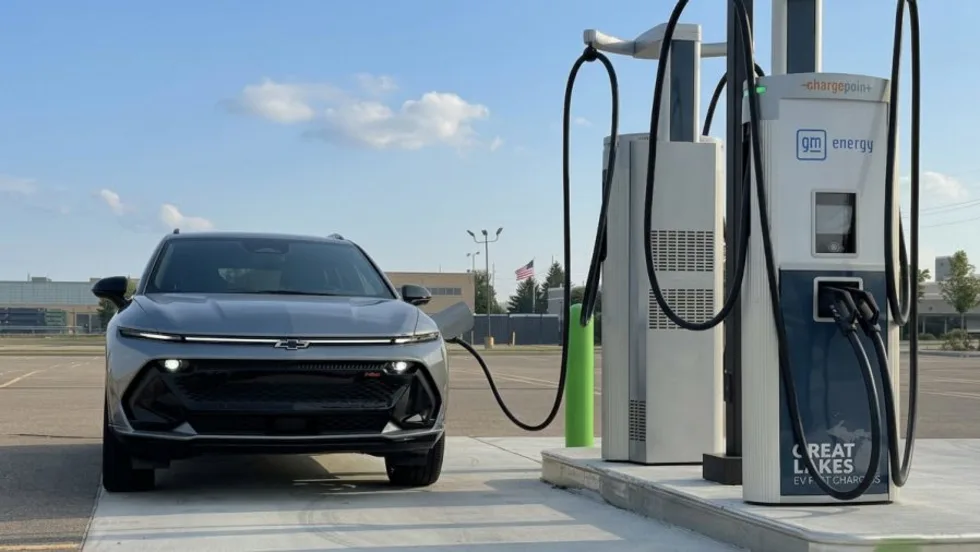
ChargePoint Now Available in Energy Pass
ChargePoint and additional planned charging network integrations were added to GM's Energy Pass.
Read More →

First Look: Slate Auto's Electric Fleet Pickup
Could an affordable, modular EV pickup make electrification more practical for fleets?
Read More →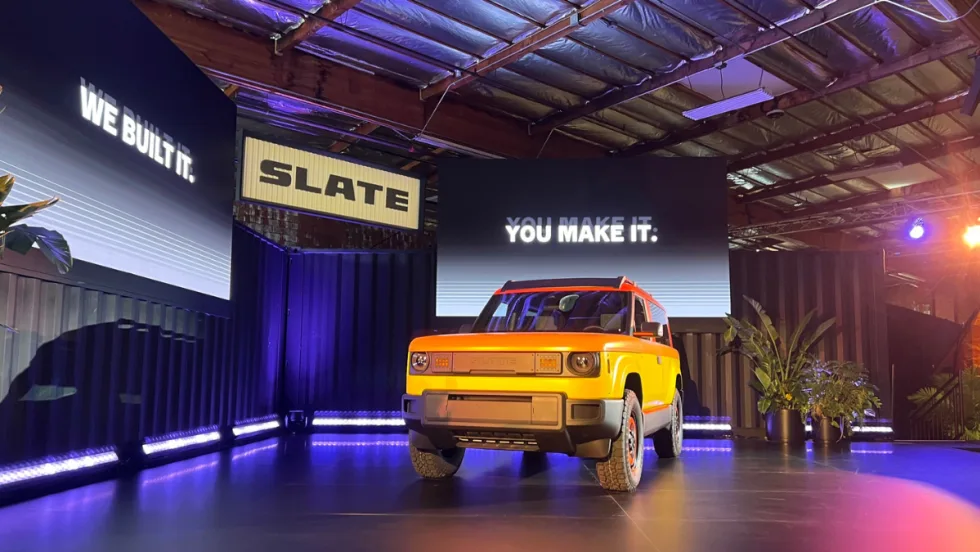
Slate Debuts Colorful, Unique EV Models
A recent media and client event, studded with electric vehicles dressed up on platforms, planted a new position for the manufacturer in the wider EV market. Fleets will find cost-saving advantages.
Read More →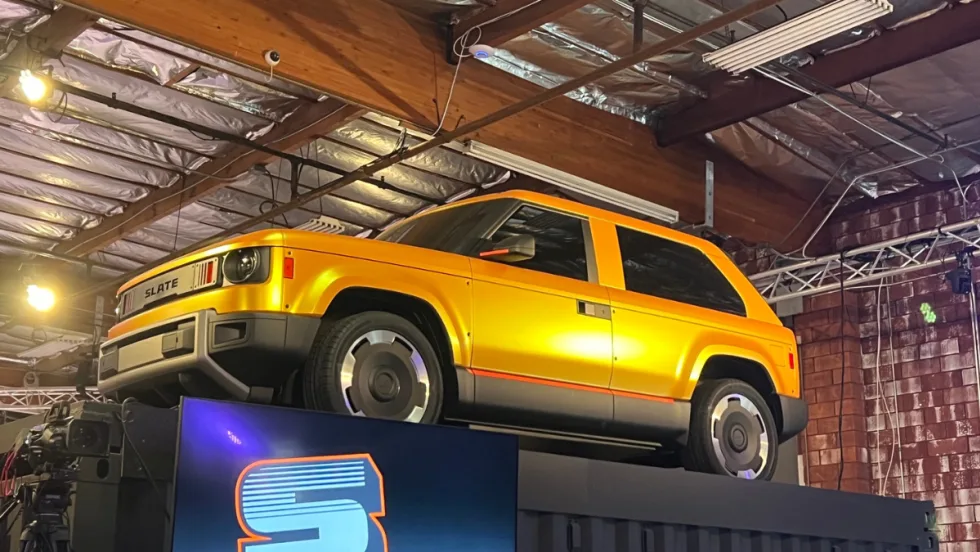
Slate Electric SUV, Pickup Switchable Model Aims For Light-Duty Fleets
Everything about this EV is counterintuitive and understated, making it stand out from the crowd.
Read More →
Inspiration Mobility Acquires Key Electrada Assets
Inspiration Mobility Group has acquired select assets of Electrada, adding the fleet electrification provider's team, technology, and charging infrastructure development capabilities to its energy management business.
Read More →