




20% of Cocaine Users Fail to Report Driving Under the Influence
Drivers who test positive for drugs — prescription drugs or illegal substances — often fail to report the fact that they’ve taken them within 24 hours of getting behind the wheel, according to a recent study from the Insurance Institute for Highway Safety (IIHS).

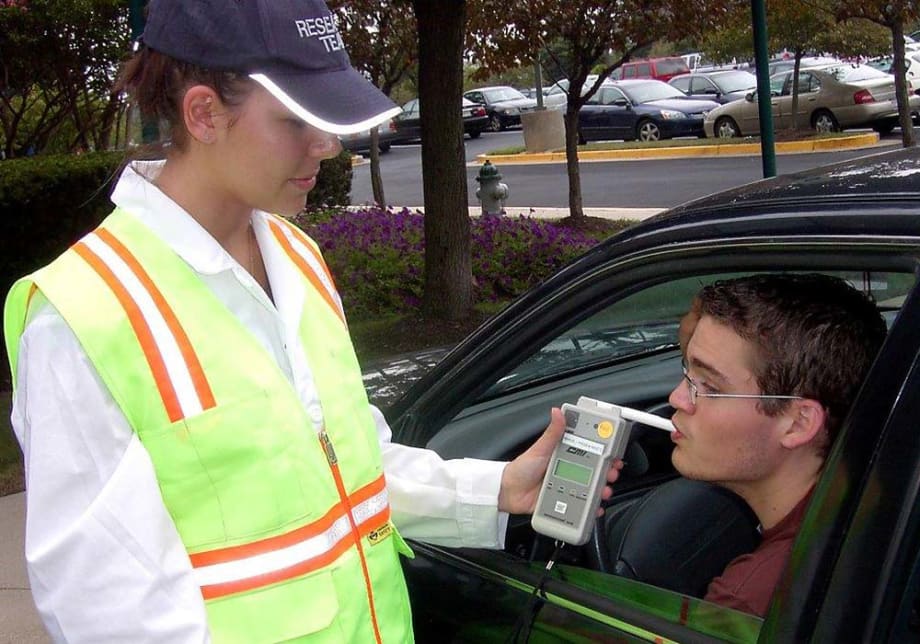
In short, self-reported drug use is proving to be an ineffective measure for monitoring trends in drug use and road use.
Pacific Institute for Research and Evaluation, courtesy of IIHS.
Drivers who test positive for drugs — prescription drugs or illegal substances — often fail to report the fact that they’ve taken them within 24 hours of getting behind the wheel, according to a recent study from the Insurance Institute for Highway Safety (IIHS).
For example, an analysis of two of the most recent national roadside surveys found that fewer than one in five respondents who tested positive for cocaine reported taking it within the past 24 hours in their answers to the questionnaire.
The overall findings from IIHS’ new study underscores the importance of conducting blood or saliva tests to understand the extent of the drug-impaired driving problem, noted IIHS.
In short, self-reported drug use is proving to be an ineffective measure for monitoring trends in drug use and road use.
Since 1973, the national roadside survey of alcohol and drug use by drivers has been conducted five times. In the most recent two surveys, workers asked about drug use too. They also collected saliva and blood samples in return for a small payment.
In the 2007 and 2013-14 surveys, workers collected anonymous data from 300 locations across the continental U.S., gathering both biological and self-reported information from more than 7,000 drivers during each survey. In this new study, researchers looked specifically at the results related to cannabis, opioids, cocaine, antidepressants and benzodiazepines, which include such drugs as Valium and Xanax.
While only 20% of cocaine users reported they got behind the wheel within 24 hours of using, the portion of marijuana-positive drivers who said they’d taken the drug within the past 24 hours increased from 25% to nearly 40% between 2007 and 2013-14. This may be due to broader social acceptance of marijuana following its legalization in several states.
For prescription drugs, the reporting rate was somewhat higher. Over 40% admitted to using opioids and more than 70% to using antidepressants in both surveys. More than 50% of those surveyed in 2013-14 said they use benzodiazepines. These higher rates may reflect lower social stigma associated with these drugs or less fear of legal consequences.
Although roadside surveys are useful, trends like the increasing acceptance of marijuana and the opioid crisis make it ever more important to develop a better understanding of drug-impaired driving, noted IIHS.
Roadway crashes have increased as much as 6% following the start of retail sales of recreational marijuana in Colorado, Nevada, Oregon and Washington, according to studies conducted by IIHS and the Highway Loss Data Institute.
More Safety

Nexar-Nauto Merger Aims to Give Fleets Better Safety Intelligence Through Larger Driving Dataset
Stefan Heck tells Automotive Fleet that combining more than 10 billion miles of driving history with Nexar's AI models will give fleets deeper insights into driver risk and roadway conditions than either company could provide independently.
Read More →
Don't Wait for a Crisis: 5 Ways to Build Mental Health Into Your Fleet Safety Program
For Suicide Prevention Month, fleet and safety leaders have an opportunity to put mental health where it belongs: at the center of workplace safety.
Read More →
How Camera Data Can Strengthen a Fleet’s Insurance Renewal
Insights from a commercial insurance carrier and a broker show how fleets can turn video telematic data, driver coaching, and improved claims results into a stronger case at insurance renewal.
Read More →
The Safest Fleets Aren’t the Ones with the Most Technology
You’ve made the telematics investment. Here’s how to capture the other half of its value and build the safest fleet on the road.
Read More →
Hidden in Plain Sight: Fleet Compliance Risks
Fleet compliance isn't just about having policies — it's about consistently enforcing them. This practical guide reveals six hidden compliance risks common in public sector and shared fleet operations and outlines proven strategies to improve visibility, accountability, and audit readiness
Read More →
NETS Sets 2026 Fleet Safety Benchmark Conference for Indianapolis
The Sept. 15–17 program will feature fleet benchmarking data, case studies, emerging technologies, and implementation strategies while running alongside the NSC Safety Congress & Expo.
Read More →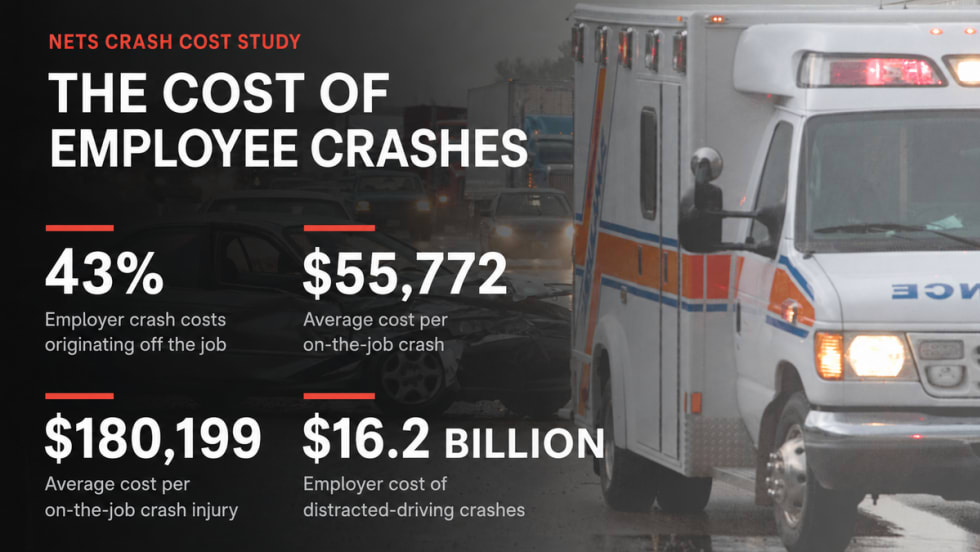
Off-the-Job Crashes Account for 43% of Employers’ $61.7 Billion Crash Burden
NETS quantifies costs dispersed across fleet, risk, HR, and other departments while providing new per-crash benchmarks for employers.
Read More →
Ram Recalls More Than 1.27 Million 1500 Pickups for Seat Belt Anchor Issue
The recall affects certain 2019-2026 Ram 1500 pickups that may have improperly attached second-row seat belt buckle anchors.
Read More →
How Better Visibility Cut Speeding Violations by 48%
Fleet leaders don't need more data, they need clearer visibility into what the data is saying. This case study explores how one utility replaced speeding-event counts with a single metric — miles driven in violation — to strengthen safety and significantly reduce speeding violations.
Read More →
Operation Safe Driver Week: Why the Industry's Oldest Safety Campaign Still Matters to Fleets
A look at how a 2007 enforcement initiative became one of the most consequential weeks on the fleet safety calendar, and what it means for your drivers in 2026.
Read More →