




Will OE Tire Strategies Increase Fleet Operating Costs?
A growing trend is for auto designers to work with tire manufacturers in developing tires specific to particular model vehicles. This has proliferated the number of tire sizes available since no other tire in the tire manufacturer’s product line meets this vehicle-specific performance and handling specification.
A growing trend is for auto designers to work with tire manufacturers in developing tires specific to particular model vehicles. This has proliferated the number of tire sizes available since no other tire in the tire manufacturer’s product line meets this vehicle-specific performance and handling specification.
“Not that long ago, you could have the same tire on nine different cars. Now you have nine different tires on nine different cars,” said Bob Ulrich, editor of Modern Tire Dealer magazine, a sister magazine of Automotive Fleet.
One benefit of tire size proliferation is that fleets in the future will have more OE and aftermarket brands from which to select replacement tires. For instance, Hankook recently raised eyebrows when it was selected to be an OE tire for the 2004 F-150, in addition to Continental and Goodyear. The benefit of more brands is increased OE competition, which hopefully will result in lower prices; however, only time will tell if this supposition proves to be true.
On the other hand, tire size proliferation raises the spectre of liability exposure, since tires are optimized for a specific vehicle. If the Explorer-Wilderness catastrophe taught us anything, it was the importance of specifications located on the vehicle placard. The replacement tire should be the same size, speed rating, and inflation pressure to provide the correct engineered ride and handling characteristics of a vehicle.
Meeting Retail Demand
Another trend is that auto manufacturers are increasingly specifying lower profile tires to appeal to retail consumers, who desire sportier-looking vehicles. Also, more vehicles are being spec’ed with higher speed-rated tires than in the past. For instance, it used to be that a high performance tire was S rated, but today S is the low end of performance. The embryonic concern among fleet professionals is that vehicles equipped with low profile, higher speed-rated tires will begin to represent a greater percent of a fleet’s overall portfolio in future years, which, ultimately, will increase replacement tire expenses. Lower profile tires, on average, cost $15 to $20 more for each tire. Overall,replacement tire expenses have been increasing for fleets for the past two years. For instance, in 2003, national account prices for replacement tires increased approximately 3 percent.
Although low profile, higher speed-rated tires have better handling characteristics; they also have a shorter wear life. A higher speed-rated tire gets more traction because it has a stickier tread, but consequently, the increased friction causes it to wear faster. Most standard tires have an average tread life of about 40,000 miles, varying by fleet application and how a person drives. A low profile tire, on the other hand, gets an average of 5,000-7,000 miles less life. The increased road grip also decreases a vehicle’s fuel economy mileage. In addition, lower profile tires are also more vulnerable to road damage. A nail hole in the sidewall is not repairable, while a tread area repair will affect the speed rating of the tire.
The Long View
Tire manufacuturers are striving to design tires that optimize dry grip and water evacuation for wet traction without the need of one benefit sacrificing another, while increasing wear resistance. Tire engineering is evolving rapidly because designers are utilizing sophisticated computer modeling and analysis programs to test specific construction and design elements without having to build prototypes and perform exhaustive testing. We are already seeing the fruits of this technology. The high-performance tires of a few years ago are now the commodity or all-season tires of today. New tire compounds are being tested to further increase tread life. Not too many years ago, if you got 20,000 miles out of a tire you were satisfied, but nowadays, if you don't get a least 30,000 miles, something is wrong. In fact, today, a number of tire brands have 80,000-miule warranties for workmanship and material, with one brand carrying a warranty for up to 100,000 miles.
In the long-term, many of the concerns that fleets have today about the direction of tire operating expenses will be ameliorated by the more technologically advanced long-life tires of tomorrow.
Let me know what you think.
More Blog Posts

Fleets Want Trust Restored with Suppliers
During this period of ongoing supply constraints, the trust that fleet managers had with OEMs, upfitters, and dealers has been strained. Fleet managers say they have had too many experiences over the past three years coping with erroneous information, adjusting to multiple price increases, and feeling betrayed by inadequate transparency from suppliers.
Read More →
Scheduled Replacement Cycles Are Becoming a Distant Memory
The ongoing difficulty in sourcing replacement vehicles is forcing companies to extend the service lives of vehicles that are unable to be replaced, which, inevitably, increases unscheduled maintenance expenses.
Read More →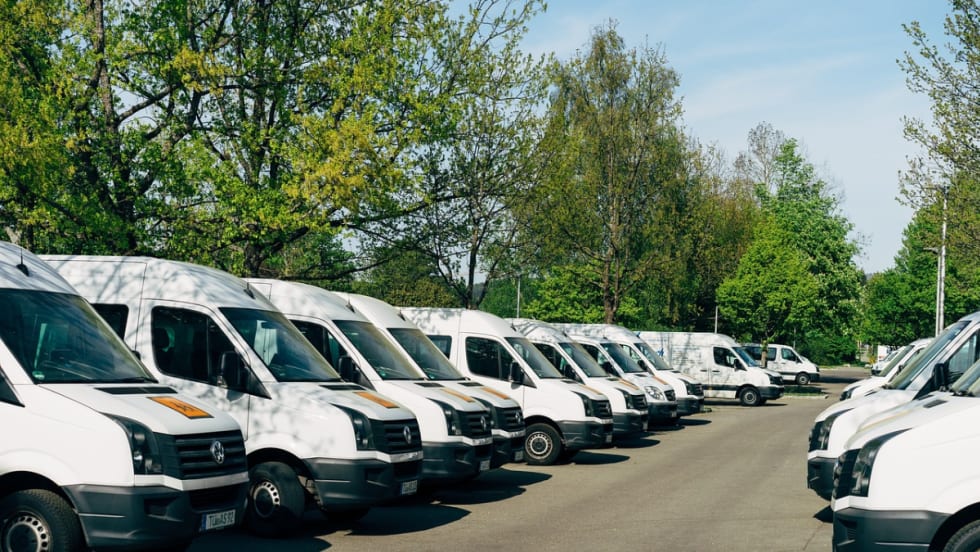
Fleet Simplification is the Antidote to Asset Variability
Fleet simplification identifies asset functions to uncover commonality among the equipment and assets. Simplification increases operational efficiency as end-users become accustomed to the controls, displays, and operation of less diverse units.
Read More →
The Dangers of Static Fleet Policies
A fleet policy is a living document, flexible enough to adapt to evolving business priorities, developing industry trends, and changing industry best practices and standards.
Read More →
Short-Term vs. Long-Term Cost Reductions
Corporate procurement staff are often driven by short-term, immediate cost reductions. However, a longer perspective to soft cost savings is critical because fixating on short-term results will hurt a company in the long run.
Read More →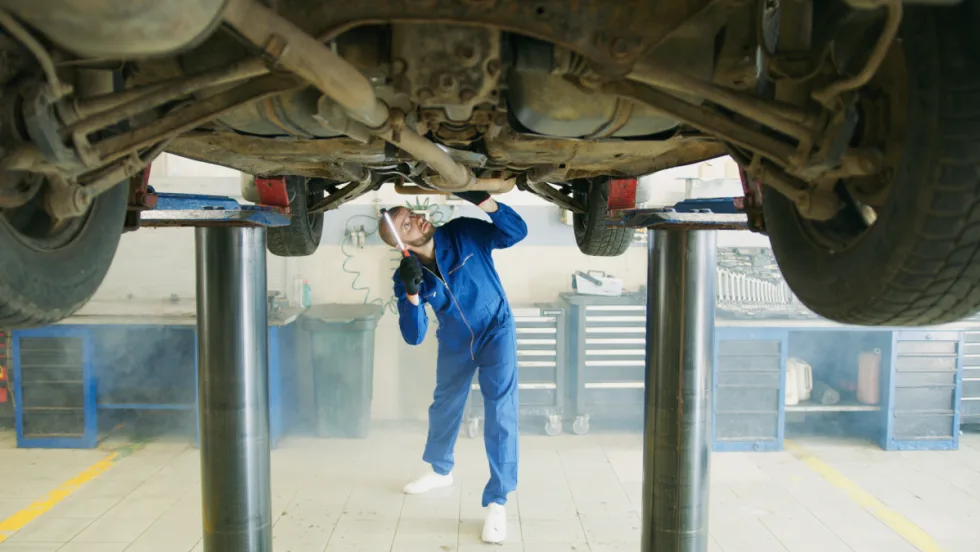
Uptick in Unscheduled Maintenance Increasing Vehicle Downtime
Fleet data analysis can identify recurring downtime issues. It’s important to determine the root causes of downtime so procedures can be developed to minimize such problems.
Read More →
Eliminate Needless Curb Weight to Maximize ICE & EV Efficiencies
Vehicle weight relates directly to fuel economy. In today’s era of electrification, there is also a direct correlation between vehicle weight and battery range.
Read More →
Tech Dependence Risks Dumbing Down Fleet Manager Expertise
The line between creative thinking and problem solving and doing what the data indicates is thin. To lead in fleet management, you need to balance understanding the fundamentals and embracing what smart technology offers.
Read More →
Leverage the Synergy of Safe Driving to Achieve Sustainability and Cost Goals
Safe driving, emission reductions, and cost containment can all be achieved at the same time.
Read More →
The Playbook for Fleet Manager Success
There are many paths to success — most of them involve being flexible, open-minded, and willing to learn.
Read More →