




Why the Federal Government Should Discourage Employee Reimbursement
Professional fleet management helps the federal government achieve its environmental objective by operating millions of well-maintained, fuel-efficient vehicles. These late-model company-provided vehicles that are on the road today help the government to reduce tailpipe emission levels and conserve gasoline.
Professional fleet management helps the federal government achieve its environmental objective by operating millions of well-maintained, fuel-efficient vehicles. These late-model company-provided vehicles that are on the road today help the government to reduce tailpipe emission levels and conserve gasoline. This observation was recently related to me during a conversation with Greg Corrigan, vice president of marketing and strategic business services for PHH Arval. When you think about it, Greg is absolutely right. Consider the alternative. Without professional fleet management and company-provided vehicles, the alternative would be driver reimbursement with employees, on average, driving older, less well-maintained vehicles or large SUVs with lower fuel economy. Employee-reimbursed vehicles would emit greater emissions and consume more fuel than the alternative company-provided vehicles. There are other ways that company-provided fleets contribute to emission reductions and conserve fuel. Fleets routinely restrict drivers as to the grade of fuel they can purchase. For instance, the majority of fleets have policies or employ fuel cards that restrict the purchase of premium-grade fuel. Many consumers are misinformed believing their vehicles require premium-grade gasoline to operate effectively. On the contrary, the overwhelming majority of domestically manufactured vehicles are designed to operate at their optimum using unleaded gasoline. For those in doubt, read your owner’s manual to see what the vehicle manufacturer recommends. From an environmental perspective, what many people may not realize, added Corrigan, is that the use of premium-grade fuel actually contributes 30 percent more greenhouse emissions than regular unleaded gasoline. Yet, covered fleets are the ones carrying the burden of complying with government-mandated alternative-fuel legislation. One thing is certain. If the government ever did become overly zealous in extending mandated alternative-fuel purchasing mandates to non-covered corporate fleets, the “get out of jail card” for corporations would be to disband their fleets and transition to employee reimbursement. This would void all government mandates since private individuals are not covered by existing legislation. The more that environmental groups learn about how well-maintained company-provided vehicles are and how fleets control fuel purchasing habits, the more they realize how very important company-provided vehicles are in helping our nation meet its environmental objectives. In the final analysis, the absence of professional fleet management and company-provided vehicles would be detrimental to the environment of our country.
New Deloitte & Touche Study Confirms Advantages of Company-Provided Vehicles
Deloitte & Touche has recently completed a study on behalf of the NAFA Foundation that provided a financial comparison of company-provided vehicles versus employee-provided vehicles. The results of the study were presented to the industry for the first time at the NAFA Fleet Management Institute in Philadelphia on May 5, 2003. The study’s conclusions were that company-provided vehicles were financially the best option and provided these additional advantages:
Control: A company is able to ensure that vehicles are best-suited for the fleet application.
Liability: Although liability is inherent with any business vehicle, a company-provided program minimizes the liabilities associated with vehicles that may cause an accident due to neglected maintenance.
Corporate Image: A company-provided program gives a corporation control over the image it projects with its vehicles. The Deloitte & Touche study reinforces what many of us already knew – that company-provided vehicles, in the overwhelming majority of cases, continue to be more cost-effective than employeee-provided vehicles. Let me know what you think.
More Blog Posts

Fleets Want Trust Restored with Suppliers
During this period of ongoing supply constraints, the trust that fleet managers had with OEMs, upfitters, and dealers has been strained. Fleet managers say they have had too many experiences over the past three years coping with erroneous information, adjusting to multiple price increases, and feeling betrayed by inadequate transparency from suppliers.
Read More →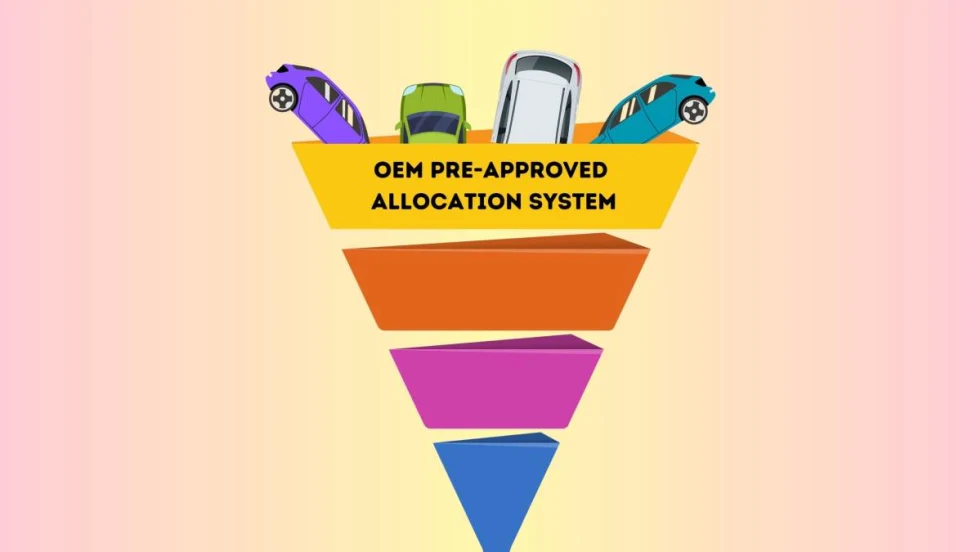
Scheduled Replacement Cycles Are Becoming a Distant Memory
The ongoing difficulty in sourcing replacement vehicles is forcing companies to extend the service lives of vehicles that are unable to be replaced, which, inevitably, increases unscheduled maintenance expenses.
Read More →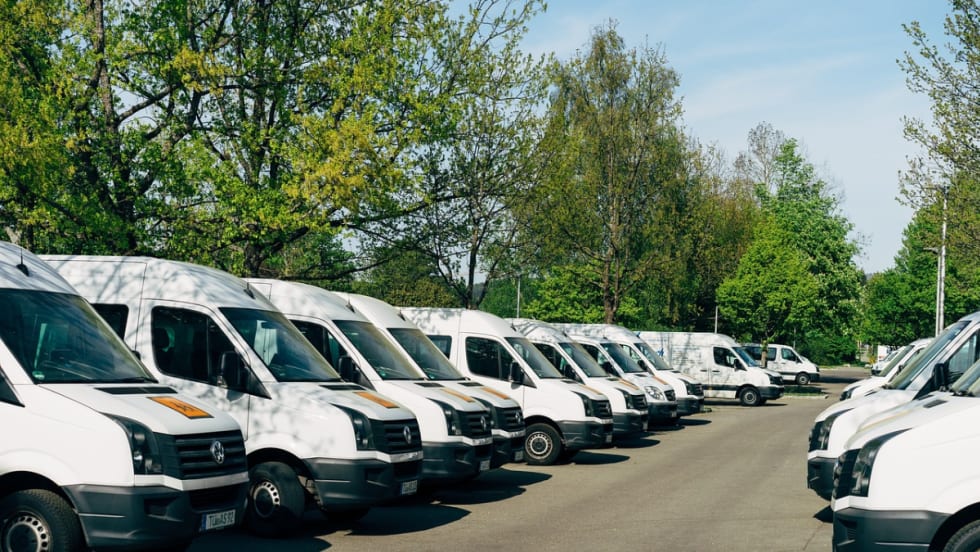
Fleet Simplification is the Antidote to Asset Variability
Fleet simplification identifies asset functions to uncover commonality among the equipment and assets. Simplification increases operational efficiency as end-users become accustomed to the controls, displays, and operation of less diverse units.
Read More →
The Dangers of Static Fleet Policies
A fleet policy is a living document, flexible enough to adapt to evolving business priorities, developing industry trends, and changing industry best practices and standards.
Read More →
Short-Term vs. Long-Term Cost Reductions
Corporate procurement staff are often driven by short-term, immediate cost reductions. However, a longer perspective to soft cost savings is critical because fixating on short-term results will hurt a company in the long run.
Read More →
Uptick in Unscheduled Maintenance Increasing Vehicle Downtime
Fleet data analysis can identify recurring downtime issues. It’s important to determine the root causes of downtime so procedures can be developed to minimize such problems.
Read More →
Eliminate Needless Curb Weight to Maximize ICE & EV Efficiencies
Vehicle weight relates directly to fuel economy. In today’s era of electrification, there is also a direct correlation between vehicle weight and battery range.
Read More →
Tech Dependence Risks Dumbing Down Fleet Manager Expertise
The line between creative thinking and problem solving and doing what the data indicates is thin. To lead in fleet management, you need to balance understanding the fundamentals and embracing what smart technology offers.
Read More →
Leverage the Synergy of Safe Driving to Achieve Sustainability and Cost Goals
Safe driving, emission reductions, and cost containment can all be achieved at the same time.
Read More →
The Playbook for Fleet Manager Success
There are many paths to success — most of them involve being flexible, open-minded, and willing to learn.
Read More →