




Who Will Succeed You as Fleet Manager?
I asked a number of long-time fleet managers, who have the perspective of history, their thoughts about the future of the fleet manager position. In particular, I asked who they thought would succeed them when they retire or move on to other opportunities. A surprising number felt the future for in-house fleet managers is bleak. Others cited no "new blood" being infused into the ranks of the fleet management profession.

By Mike Antich
Over the past 12 months, I have witnessed a growing number of fleet managers, many of whom I consider the pros of our business, lose their jobs because their positions were eliminated. The economy is dictating many of these decisions, but there is an underlying trend that makes me fret about the future of the in-house fleet manager function. To get a reality check, I asked a number of long-time fleet managers, who have the perspective of history, their thoughts about the future of the fleet manager position. In particular, I asked who they thought would succeed them when they retire or move on to other opportunities. A surprising number felt the future for in-house fleet managers is bleak. Others cited no "new blood" being infused into the ranks of the fleet management profession. The majority of fleet managers are primarily Baby Boomers with few younger fleet managers. Anecdotally, this appears true, especially when looking at the attendees of various industry conferences and manufacturer fleet previews. Today's fleet managers comprise a narrow demographic band and in the next 10-15 years, most will retire.
At many companies, fleet has been "commoditized" and the primary performance metric is how much expense is reduced this year compared to last. Since the onset of the economic downturn, companies are focused more than ever on cutting costs and eliminating unnecessary positions. Some companies view the fleet manager's position as unnecessary overhead to be delegated to an administrative function or outsourced. Large corporations, faced with headcount reduction as a key metric, view fleet outsourcing as a way to attain this goal. Other companies are combining the fleet manager position with other functions in the organization. Today, it is almost unheard of for anyone to be "just" a fleet manager. This trend is self-induced by fleet managers who find the only way to substantially increase their compensation is to take on new responsibilities. Other times, having more responsibilities gives a false sense of job security. As some multi-titled fleet managers discovered, this sense of security can be illusory. As corporations became flatter, entire layers of management, which in the past, were natural career progressions, have been removed, prompting many fleet managers to stay put in their current role. In addition, technology has reduced the staffing needed to run a fleet department. When fleet was a manual, paper-intensive function in the 1960s and 1970s, departments were staffed in proportion to the amount of assets under management. However, desktop computers automated much of the administrative work, and recordkeeping and analytics migrated to Web-enabled fleet management systems developed by FMCs.
The root of today's situation was the emergence of the fleet outsourcing phenomenon of the late 1980s. Today, the weak economy and budgetary constraints are accelerating change in the fleet management profession. Prior to outsourcing, it was not uncommon for companies to employ assistant fleet managers who learned the business almost as an apprentice. Nowadays, it is rare to find an assistant fleet manager.
Company culture plays a huge role in determining who manages the fleet. Is the company inclined to outsource non-core functions, or does it believe fleet is best managed in-house? The conventional wisdom is fleet manager responsibilities will evolve into a more elevated position. But, realistically, the fleet manager position will not become too elevated in an organization since it is much too detail-oriented, encompasses many "moving parts," and requires working with a variety of suppliers, which would be very distracting if managed by a senior level manager.
At smaller companies, the person managing the fleet wears many different "hats," while at larger companies there is need for a subject-matter expert. It is at mid-size companies where the fleet manager position is in jeopardy.
A Risk-Averse Culture
Many full-time fleet managers report diminished support by their management that does not allow them to join industry associations, attend fleet conferences, or even go to local fleet previews. Right or wrong, I sense the fleet associations of yesteryear were much stronger advocates in communicating the value of the fleet manager function to senior management than today. Currently, there is a very strong focus on fleet education, which is incredibly important, but meaningless if fleet managers aren't allowed to attend professional meetings and educational events. Maybe it is because the fleet manager population is older and less willing to take risks, but they seem to be less inclined to challenge management for fear of losing their jobs.
My prediction is that senior management will have a rude awakening when the Baby Boomer fleet manager generation retires. It will be the actualization of the truism "you don't know what you have until it is gone." As an industry, it is important we remind senior management of the value of an in-house fleet manager. Since fleet management requires working with cross-functional groups, managing millions of dollars of corporate assets, collaborating in complex technology initiatives, and be a key influencer of employee productivity, it is crucial to have a strong in-house fleet manager to coordinate and manage these activities.
Let me know what you think.
mike.antich@bobit.com
More Blog Posts
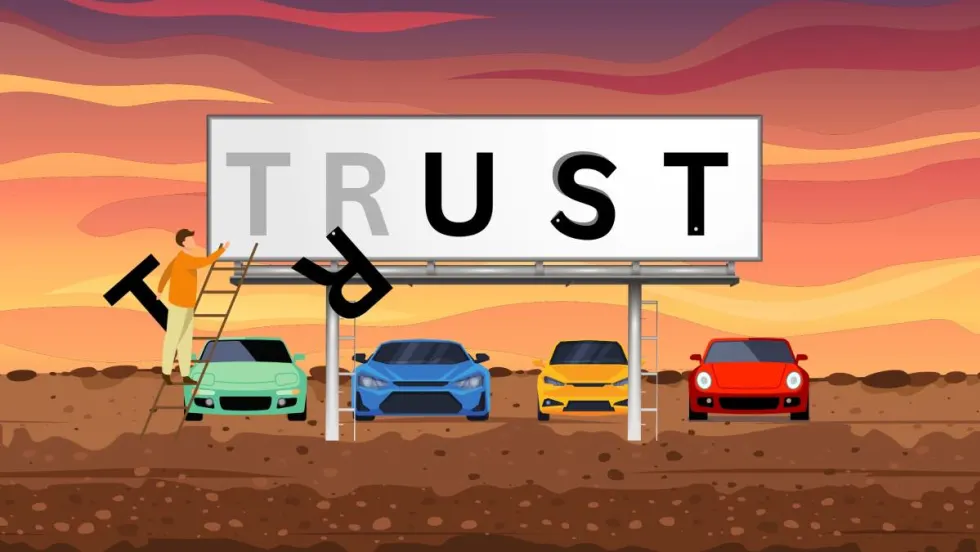
Fleets Want Trust Restored with Suppliers
During this period of ongoing supply constraints, the trust that fleet managers had with OEMs, upfitters, and dealers has been strained. Fleet managers say they have had too many experiences over the past three years coping with erroneous information, adjusting to multiple price increases, and feeling betrayed by inadequate transparency from suppliers.
Read More →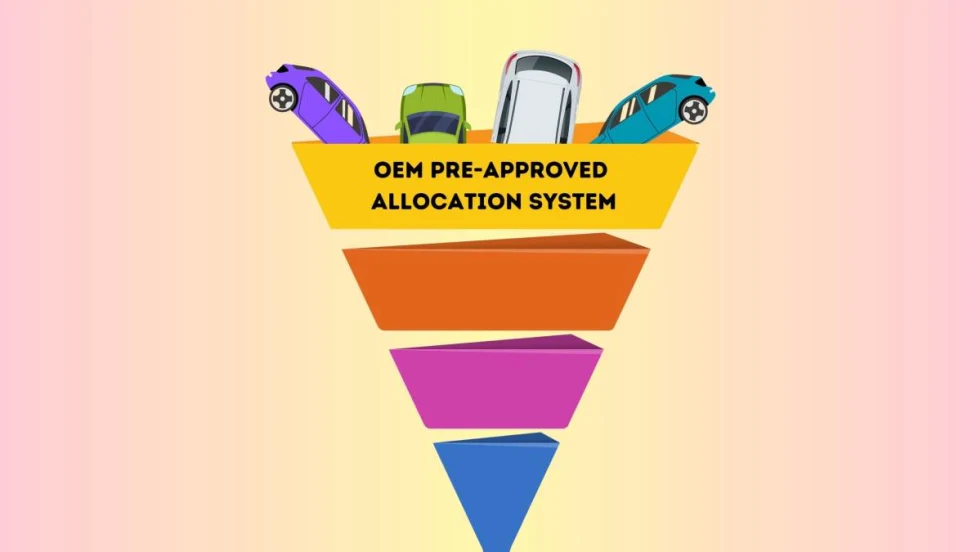
Scheduled Replacement Cycles Are Becoming a Distant Memory
The ongoing difficulty in sourcing replacement vehicles is forcing companies to extend the service lives of vehicles that are unable to be replaced, which, inevitably, increases unscheduled maintenance expenses.
Read More →
Fleet Simplification is the Antidote to Asset Variability
Fleet simplification identifies asset functions to uncover commonality among the equipment and assets. Simplification increases operational efficiency as end-users become accustomed to the controls, displays, and operation of less diverse units.
Read More →
The Dangers of Static Fleet Policies
A fleet policy is a living document, flexible enough to adapt to evolving business priorities, developing industry trends, and changing industry best practices and standards.
Read More →
Short-Term vs. Long-Term Cost Reductions
Corporate procurement staff are often driven by short-term, immediate cost reductions. However, a longer perspective to soft cost savings is critical because fixating on short-term results will hurt a company in the long run.
Read More →
Uptick in Unscheduled Maintenance Increasing Vehicle Downtime
Fleet data analysis can identify recurring downtime issues. It’s important to determine the root causes of downtime so procedures can be developed to minimize such problems.
Read More →
Eliminate Needless Curb Weight to Maximize ICE & EV Efficiencies
Vehicle weight relates directly to fuel economy. In today’s era of electrification, there is also a direct correlation between vehicle weight and battery range.
Read More →
Tech Dependence Risks Dumbing Down Fleet Manager Expertise
The line between creative thinking and problem solving and doing what the data indicates is thin. To lead in fleet management, you need to balance understanding the fundamentals and embracing what smart technology offers.
Read More →
Leverage the Synergy of Safe Driving to Achieve Sustainability and Cost Goals
Safe driving, emission reductions, and cost containment can all be achieved at the same time.
Read More →
The Playbook for Fleet Manager Success
There are many paths to success — most of them involve being flexible, open-minded, and willing to learn.
Read More →