




What Fleet Managers Find Rewarding About Their Jobs
In these challenging times, you might think the rewards of being a fleet manager are few and far between. However, this is not so with many fleet managers. There are six common themes to what fleet managers find fulfilling about their jobs.

By Mike Antich
In these challenging times, you might think the rewards of being a fleet manager are few and far between. However, this is not so with many fleet managers who spoke with me confidentially.
"These days, the rewards come from doing a great job in spite of market conditions and challenges presented by the automotive industry. There are many opportunities to enhance contracts with suppliers - everyone is hungry for business. Harnessing these opportunities might be the most rewarding for the present, as well as the future," said one fleet manager.
Six Common Themes
The two dozen fleet managers interviewed cited various reasons they find their jobs rewarding. There were six common themes to what fleet managers found fulfilling about their jobs.
1. Revel in the Challenge: "What we are experiencing now is definitely uncharted territory, so you just have to love the challenge and revel in the adventure," said one fleet manager. "There is very little precedent for where we are now, so we get the opportunity to set precedent, and that doesn't happen too often in business. Having the opportunity to work through tremendous market changes tied to funding, fuel, and the automotive industry in general has allowed me to become more of a business manager than a fleet manager, and that has been both interesting and rewarding - but somewhat frustrating at the same time."
Some fleet managers say job challenges motivate them to be more innovative. "It seems like we are faced with new challenges every day and that keeps me on my toes. The days are never dull and that is what motivates me. I am not looking for my job to be fun, as that is way too high of an expectation. The current status of the industry has forced me to look at a wider scope of possibilities for the coming model-year that turned out to be very positive so far. My continued search for ways to bring a higher value of the company car to our driving team will pay off in the long run. At the same time, I am looking for ways to increase cost-effectiveness and/or present more environmentally friendly alternatives. Our senior leadership team has not expressed a desire on that front, but I prefer to be proactive in that arena anyway."
Other fleet managers similarly describe the current market as very exhilarating. "The current challenges spur me to be more creative and innovative with what we do and how we do it. For example, vehicle delivery issues because of the number of dealer closures is an area where I am trying to be innovative."
2. Love of Cars: "I have often said if my bosses knew how much I love dealing with cars, they would most definitely cut my pay. I have been a car nut since a very young age." Another cited a similar passion. "Once an engine head, always an engine head. There is no job I would enjoy more. Yes, there are more challenges, but that just makes it more exciting."
3. Satisfaction in a Job Well-Done: "The rewarding part of the job is we provide safe, reliable, and reasonably priced transportation to our internal customers so they can earn money to keep our companies in business," said one fleet manager.
Many fleet managers say they enjoy providing a valued service to their internal customers. "The ability to put them in nice fuel-efficient cars and keep them in vehicles that allow them to do their jobs is very rewarding. I'm referred to as the company 'car Mom.' What more can you ask for - a beautiful big family!"
4. Personal Relationships: "The one thing I always enjoyed in this business is the personal relationships I have forged with so many great, professional people. These people, like me, try to do their best all the time, yet might not be appreciated due to lack of understanding of how fleet works."
5. Learning New Ideas: "In spite of today's economy, there are still opportunities to discover new ideas and learn from them," said a fleet manager. This opinion was seconded by another fleet manager who said, "I relish the opportunity to network with my peers when attending industry conferences, such as AFLA and NAFA. I love the opportunity to talk with my counterparts and learn new ideas."
Another fleet manager echoed this thought. "It is also rewarding to brainstorm with my counterparts on various issues and leverage the spend with sister companies has been very rewarding."
6. Recognition: Many cited recognition as a rewarding aspect of the job. "This recognition is two-fold. The first is hearing positive feedback from drivers about the car selections. The second is positive reviews from my supervisor, which equates to a year-end bonus," said a fleet manager. Several other fleet managers made similar observations. "The knowledge that I do a good job that is recognized by my co-workers is very rewarding," said a fleet manager. "A call from a driver thanking me for all my efforts makes it all worthwhile," added another fleet manager.
A Small and Collegial Industry
Some fleet managers say the most rewarding aspect of being a fleet manager nowadays is simply having a job. "I still love what I do. I am saddened that many of my peers are no longer working in the industry as a result of transfers or layoffs. I get frustrated with management and executives not understanding the delays and timing issues we are facing."
The following quote best summarizes what every fleet manager desires. "I continue to find fleet an interesting business area and running it an interesting challenge. The industry is small and collegial. For me, our drivers are relatively easy to manage and are reasonable. My management continues to be very supportive of our initiatives and is pleased with the value we provide the organization."
It doesn't get better than this.
More Blog Posts

Fleets Want Trust Restored with Suppliers
During this period of ongoing supply constraints, the trust that fleet managers had with OEMs, upfitters, and dealers has been strained. Fleet managers say they have had too many experiences over the past three years coping with erroneous information, adjusting to multiple price increases, and feeling betrayed by inadequate transparency from suppliers.
Read More →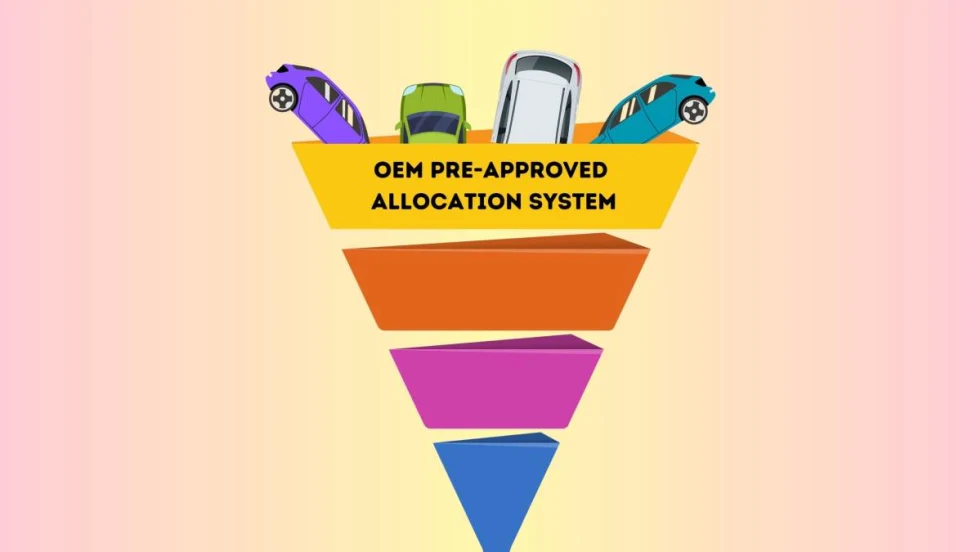
Scheduled Replacement Cycles Are Becoming a Distant Memory
The ongoing difficulty in sourcing replacement vehicles is forcing companies to extend the service lives of vehicles that are unable to be replaced, which, inevitably, increases unscheduled maintenance expenses.
Read More →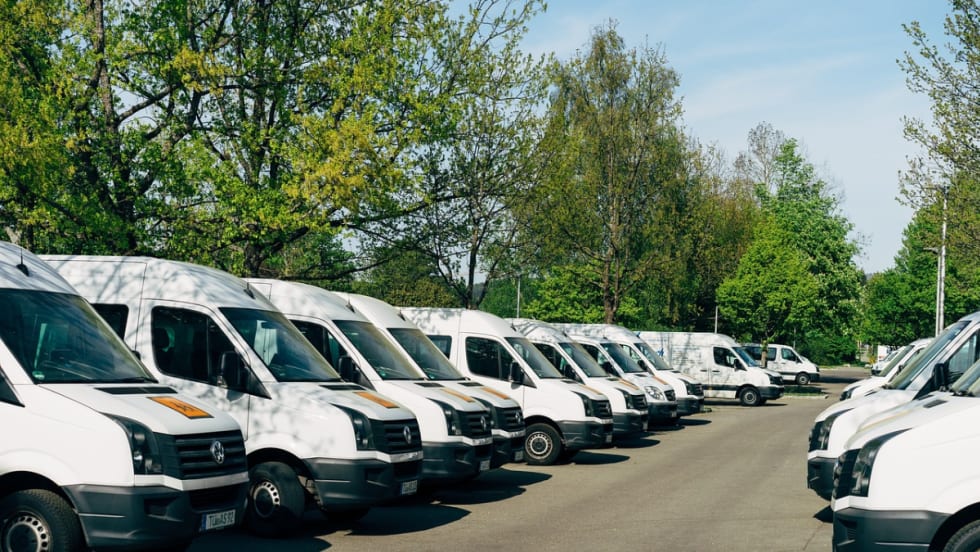
Fleet Simplification is the Antidote to Asset Variability
Fleet simplification identifies asset functions to uncover commonality among the equipment and assets. Simplification increases operational efficiency as end-users become accustomed to the controls, displays, and operation of less diverse units.
Read More →
The Dangers of Static Fleet Policies
A fleet policy is a living document, flexible enough to adapt to evolving business priorities, developing industry trends, and changing industry best practices and standards.
Read More →
Short-Term vs. Long-Term Cost Reductions
Corporate procurement staff are often driven by short-term, immediate cost reductions. However, a longer perspective to soft cost savings is critical because fixating on short-term results will hurt a company in the long run.
Read More →
Uptick in Unscheduled Maintenance Increasing Vehicle Downtime
Fleet data analysis can identify recurring downtime issues. It’s important to determine the root causes of downtime so procedures can be developed to minimize such problems.
Read More →
Eliminate Needless Curb Weight to Maximize ICE & EV Efficiencies
Vehicle weight relates directly to fuel economy. In today’s era of electrification, there is also a direct correlation between vehicle weight and battery range.
Read More →
Tech Dependence Risks Dumbing Down Fleet Manager Expertise
The line between creative thinking and problem solving and doing what the data indicates is thin. To lead in fleet management, you need to balance understanding the fundamentals and embracing what smart technology offers.
Read More →
Leverage the Synergy of Safe Driving to Achieve Sustainability and Cost Goals
Safe driving, emission reductions, and cost containment can all be achieved at the same time.
Read More →
The Playbook for Fleet Manager Success
There are many paths to success — most of them involve being flexible, open-minded, and willing to learn.
Read More →