




Weighing the Value of Mobile Maintenance: Hard Costs vs. Soft Costs
Vocational vehicles are in the business of delivering goods and providing services. They are earning assets and to maximize their productivity, you need to minimize unscheduled downtime or offset downtime for routine PMs by doing the work during non-revenue-producing hours.

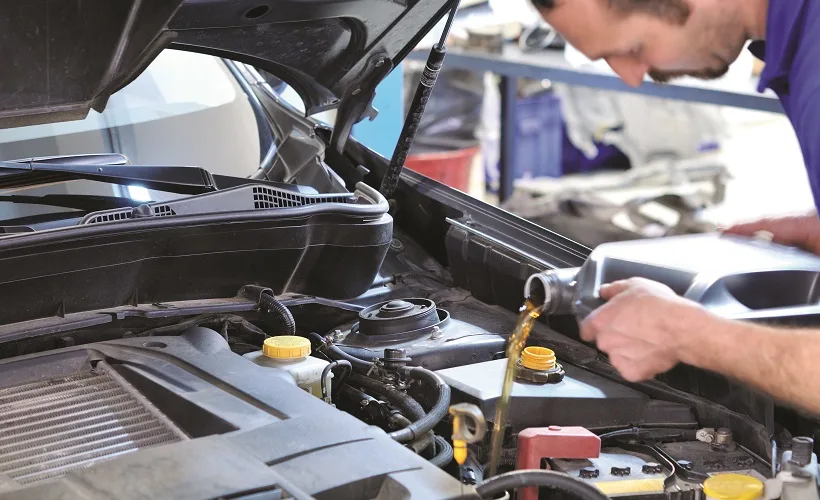
Photo courtesy of Konuk via Gettyimages.com
Vocational vehicles are in the business of delivering goods and providing services. They are earning assets and to maximize their productivity, you need to minimize unscheduled downtime or offset downtime for routine PMs by doing the work during non-revenue-producing hours.
Vehicle uptime is a key fleet metric and it is fueling a trend by a growing number of vocational fleets to consider a mobile vehicle maintenance program. With tight delivery windows and hours-of-service regulations, a mobile maintenance program allows scheduling maintenance on days and times when vehicles are idle, including nights and weekends.
“There has been a substantial uptick in fleet requests for mobile maintenance solutions. Fleet managers are looking to minimize downtime and the administrative burden of taking their vehicle to a repair shop and having the driver wait,” said George Albright, director of maintenance for Merchants Fleet. “A mobile maintenance solution allows the vehicle to be serviced during off-hours and avoids many fleets from paying the costly expense of renting. Many providers can also perform warranty work, avoiding a lengthy visit to the dealership.”
Unscheduled downtime costs take revenue directly from the corporate bottom line. Downtime costs are broken into two categories: tangible costs of downtime (hard costs), and intangible expenses (soft costs) caused by driver inactivity. Hard costs include lost revenue, towing charges, temporary rental, and employee overtime.
Soft costs are those incurred during driver downtime, such as lost employee productivity, lost revenue-generating opportunities per day, and delays in delivering products and services to customers.
Feedback from other fleet management companies likewise cite the growing use of mobile service providers.
“There’s a growing interest in mobile service providers and an increasing number of vendors are moving into this business niche. Mobile service offers many benefits, such as overnight service and minimized downtime, but convenience often comes at a higher price. Mobile service vendors may charge higher hourly rates and travel time; however, as the market matures the prices should become more competitive.
“It’s important for fleets to weigh the hard costs against the soft costs before choosing to use a mobile vendor. For some fleets, it makes sense from a business perspective. As the mobile service space grows, these factors will play a larger role in overall fleet maintenance costs,” said Dawn Schremp, national service department director for Enterprise Fleet Management.
Mitigating Technician and Driver Shortages
Mobile vehicle services are common, such as mobile windshield and glass repair and mobile fueling. Likewise, mobile maintenance programs are not new, but these services have increased in popularity with vocational fleets over the past 10 years.
There are two primary types of mobile maintenance services. The most common approach is when a mobile maintenance technician goes to the fleet’s facility to do the work or to a location where the vehicle has encountered a maintenance issue. In essence, mobile maintenance business model brings shop operations to fleets wherever their equipment is located.
While trucks are sitting idle, a mobile maintenance provider can perform the services necessary to improve uptime without any additional out-of-route timed travel expenses.
In addition, a mobile maintenance program can assist a fleet in maintaining vehicles that are unable to get back to their own shops during non-work hours. Also, with the shortage of qualified technicians, a mobile maintenance program allows companies to side-step this labor constraint.
There are potential pitfalls when outsourcing elements of a fleet maintenance program. Fleets must ensure the selected provider employs properly trained techs who can perform quality repairs safely and quickly. Look for service providers who can back up their technicians’ expertise with ASE certifications.
When choosing a mobile maintenance service provider for a regional or nationally dispersed fleet, it’s important to identify service providers who have sufficient network coverage and who offer a warranty program that covers issues with repairs, parts, and labor.
Another important factor is billing and reporting capabilities. Look for a provider who can generate reports and files in formats compatible with your system. In addition, check that the service provider has the right insurance coverage to protect your company when their techs are performing work on your premises.
Downtime Curtails Revenue Generation
A growing challenge for fleets is finding and retaining drivers in this era of driver shortages. Minimizing driver downtime and optimizing vehicle uptime is a good strategy to retain drivers by improving driver satisfaction. From a management perspective, not having to pay a driver to take a truck to a shop is cost-effective, while at the same time it increases driver productivity.
When a vehicle breaks down, drivers must spend time dealing with it, and that is time away from customers. When drivers are not able to work due to truck downtime, they cannot produce revenue. The primary goal of any maintenance program is to keep trucks rolling by minimizing unscheduled downtime and maximizing revenue generation.
Let me know what you think.
More Blog Posts

Fleets Want Trust Restored with Suppliers
During this period of ongoing supply constraints, the trust that fleet managers had with OEMs, upfitters, and dealers has been strained. Fleet managers say they have had too many experiences over the past three years coping with erroneous information, adjusting to multiple price increases, and feeling betrayed by inadequate transparency from suppliers.
Read More →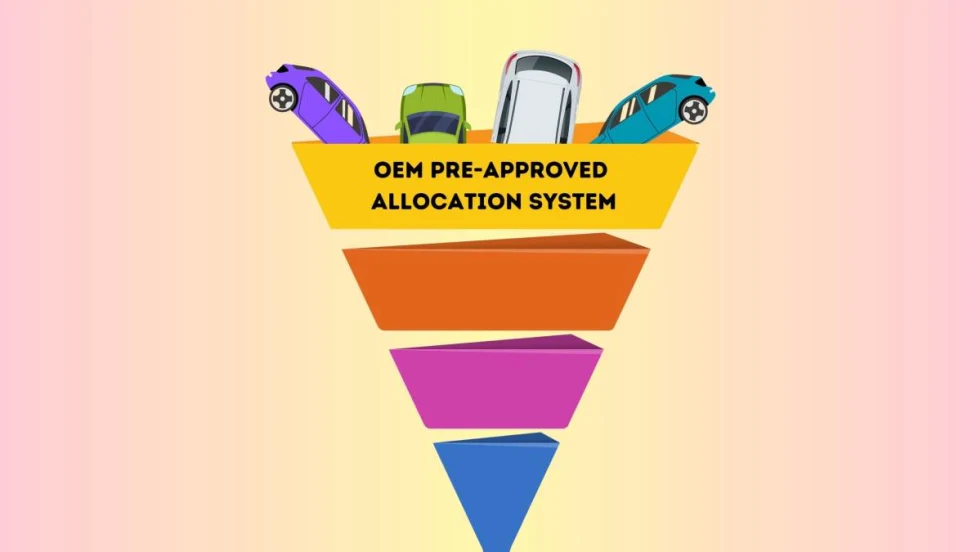
Scheduled Replacement Cycles Are Becoming a Distant Memory
The ongoing difficulty in sourcing replacement vehicles is forcing companies to extend the service lives of vehicles that are unable to be replaced, which, inevitably, increases unscheduled maintenance expenses.
Read More →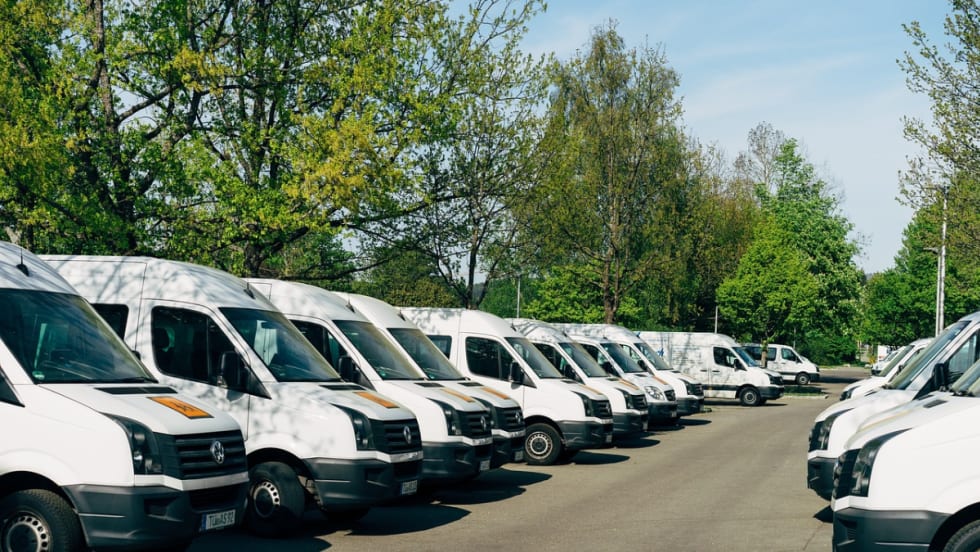
Fleet Simplification is the Antidote to Asset Variability
Fleet simplification identifies asset functions to uncover commonality among the equipment and assets. Simplification increases operational efficiency as end-users become accustomed to the controls, displays, and operation of less diverse units.
Read More →
The Dangers of Static Fleet Policies
A fleet policy is a living document, flexible enough to adapt to evolving business priorities, developing industry trends, and changing industry best practices and standards.
Read More →
Short-Term vs. Long-Term Cost Reductions
Corporate procurement staff are often driven by short-term, immediate cost reductions. However, a longer perspective to soft cost savings is critical because fixating on short-term results will hurt a company in the long run.
Read More →
Uptick in Unscheduled Maintenance Increasing Vehicle Downtime
Fleet data analysis can identify recurring downtime issues. It’s important to determine the root causes of downtime so procedures can be developed to minimize such problems.
Read More →
Eliminate Needless Curb Weight to Maximize ICE & EV Efficiencies
Vehicle weight relates directly to fuel economy. In today’s era of electrification, there is also a direct correlation between vehicle weight and battery range.
Read More →
Tech Dependence Risks Dumbing Down Fleet Manager Expertise
The line between creative thinking and problem solving and doing what the data indicates is thin. To lead in fleet management, you need to balance understanding the fundamentals and embracing what smart technology offers.
Read More →
Leverage the Synergy of Safe Driving to Achieve Sustainability and Cost Goals
Safe driving, emission reductions, and cost containment can all be achieved at the same time.
Read More →
The Playbook for Fleet Manager Success
There are many paths to success — most of them involve being flexible, open-minded, and willing to learn.
Read More →