




Wearable Computers will Amplify Driver Distraction
The greatest factor contributing to driver distraction has been the growing use of technology — in particular smartphones — while driving; however, a new concern will soon be confronting fleet managers in the form of wearable computers.

Driver distraction and its connection to the uptick in preventable accidents is one of the top challenges cited by fleet managers. The greatest factor contributing to driver distraction has been the growing use of technology — in particular smartphones — while driving; however, a new concern will soon be confronting fleet managers in the form of wearable computers. These devices promise, at least initially, to amplify the risk of distracted driving by diverting a driver’s attention to information, which, although important to the driver, is irrelevant to the act of driving.
For those unfamiliar with wearable technologies, it is a wide range of miniature electronic devices worn for extended periods by a user on either his or her body or clothing. These devices will have numerous consumer applications, such as healthcare (continuous physiological monitoring, for example blood pressure or glucose levels), physical fitness accessories (heart rate monitoring or calories burned), or augmented reality devices, such as Google Glass, which provides Web-based information through an optical head-mounted display.
Deloitte, one of the largest consulting companies in the world, predicts there will be 100 million wearable devices sold by 2020. Such major corporations as Nike, Apple, Samsung, Philips, Sony, Google, and a multitude of tech start-ups, are developing a variety of wearable technology products. Intel is promoting “wearable solutions” built on its low-power processor technology through its “Make it Wearable” initiative. Intel foresees huge opportunities in the emerging market of wearable technology and forecasts the sale of these devices growing at a rate of 300 percent per year. Numerous companies are developing what is generically referred to as “smart watches,” which have the functionality of the personal digital assistant (PDA) of yesteryear, with augmented technology to provide enhanced capabilities comparable to what is found in today’s larger smartphone devices.
Use of Wearables by Drivers
Proponents of wearable technology are already talking about in-vehicle integration with wearable technologies worn by a driver. For instance, physical fitness monitors in the future will help vehicles determine climate control settings and measure the driver’s stress and fatigue levels, or even monitor a driver’s alcohol or blood sugar levels. Just as with in-vehicle smartphone integration, ABI Research, a technology market intelligence company, ultimately believes that most vehicles will be able to interface with wearable devices. As the use (and sophistication) of these devices proliferates, some industry observers predict that in-vehicle integration with wearable technology by either third-party providers or automotive OEMs will become widespread by 2024.
Another emerging application is hands-free wearable digital cameras that are either strapped around the neck or clipped to clothing, which continuously take photos, typically every 30 seconds. These wearable cameras use GPS to track where photos were taken and can store between 6,000 and 12,000 images. Wearable cameras currently on the market include Narrative Clip, Autographer, and Memoto. Marketed as “lifelogging devices,” they seek to record and archive all information about our daily lives, which could have positive implications with, for instance Alzheimer’s patients, or negative implications in terms of privacy violations. Ultimately, these digital images will be viewed as discoverable evidence and could be subpoenaed during lawsuits involving fleet vehicles. Wearable cameras can also provide positive ramifications, especially if photos help exonerate a fleet driver’s culpability or alleged negligence.
Wearable technology is being heralded by its proponents as a dawn of a new era by integrating digital and physical reality. It is inevitable that employees and businesses will be among the early adopters of these devices and use them in the workplace as productivity tools. Preliminary studies indicate that employees using prototype wearable devices increased their productivity by 8.5 percent and their job satisfaction by 3.5 percent. But, are there unintended consequences, especially when used by a mobile workforce?
Potential Legislative Backlash
A seminal event in the use of wearable technology occurred in January 2014, when a San Diego woman’s traffic ticket for wearing Google Glass while driving was dismissed because there was no proof the device was operating at the time of the citation. Nevertheless, legislators and their staffs are beginning to study the potential impact of using wearable technology while driving.
In a Feb. 25, 2014, news story, Reuters reported that Google is lobbying states where bans on wearables, such as Google Glass, have been proposed or are being considered. According to the Reuters article, eight U.S. states are considering regulation of Google Glass because they fear its use will lead to driver distraction and increase accident potential. In reaction, Google is lobbying state legislators arguing that it is too early to propose restrictions on the use of Google Glass because the technology is still evolving and in a developmental phase.
A recent study released by AAA reported that operating a vehicle while using a cell phone reduces brain activity related to driving by 37 percent. Similarly, drivers who are texting while driving are eight times more likely to get into an accident or near accident compared to non-texting drivers. Would comparable percentages correlate to the use of wearable devices? By definition, distracted driving is the act of driving while engaged in other, non-related activities. Don’t get me wrong, I am very excited about the future implications of wearable technology; however, I question the efficacy of their use while driving. With the added functionality of wearable computers, wouldn’t this simply amplify the incidence and frequency for drivers to become distracted?
Let me know what you think.
By Mike Antich
More Blog Posts

Fleets Want Trust Restored with Suppliers
During this period of ongoing supply constraints, the trust that fleet managers had with OEMs, upfitters, and dealers has been strained. Fleet managers say they have had too many experiences over the past three years coping with erroneous information, adjusting to multiple price increases, and feeling betrayed by inadequate transparency from suppliers.
Read More →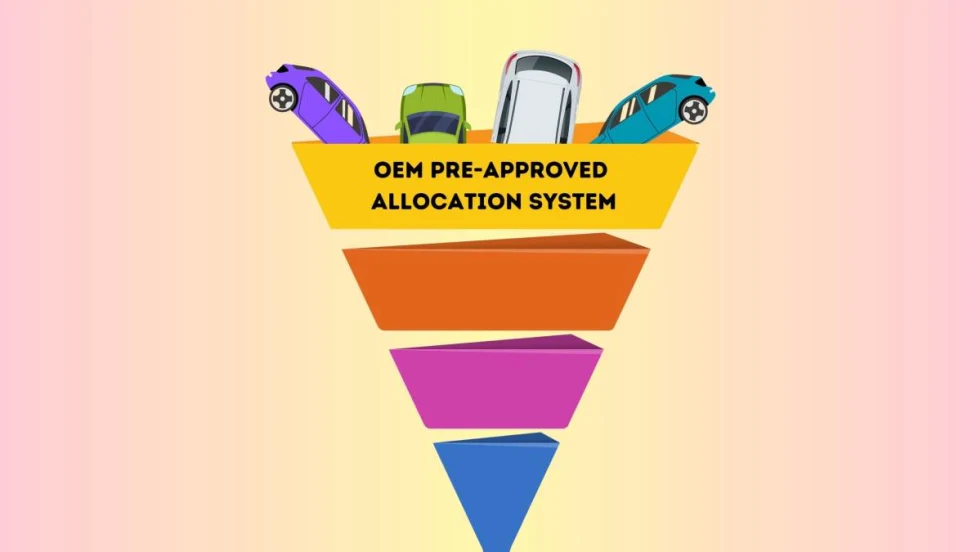
Scheduled Replacement Cycles Are Becoming a Distant Memory
The ongoing difficulty in sourcing replacement vehicles is forcing companies to extend the service lives of vehicles that are unable to be replaced, which, inevitably, increases unscheduled maintenance expenses.
Read More →
Fleet Simplification is the Antidote to Asset Variability
Fleet simplification identifies asset functions to uncover commonality among the equipment and assets. Simplification increases operational efficiency as end-users become accustomed to the controls, displays, and operation of less diverse units.
Read More →
The Dangers of Static Fleet Policies
A fleet policy is a living document, flexible enough to adapt to evolving business priorities, developing industry trends, and changing industry best practices and standards.
Read More →
Short-Term vs. Long-Term Cost Reductions
Corporate procurement staff are often driven by short-term, immediate cost reductions. However, a longer perspective to soft cost savings is critical because fixating on short-term results will hurt a company in the long run.
Read More →
Uptick in Unscheduled Maintenance Increasing Vehicle Downtime
Fleet data analysis can identify recurring downtime issues. It’s important to determine the root causes of downtime so procedures can be developed to minimize such problems.
Read More →
Eliminate Needless Curb Weight to Maximize ICE & EV Efficiencies
Vehicle weight relates directly to fuel economy. In today’s era of electrification, there is also a direct correlation between vehicle weight and battery range.
Read More →
Tech Dependence Risks Dumbing Down Fleet Manager Expertise
The line between creative thinking and problem solving and doing what the data indicates is thin. To lead in fleet management, you need to balance understanding the fundamentals and embracing what smart technology offers.
Read More →
Leverage the Synergy of Safe Driving to Achieve Sustainability and Cost Goals
Safe driving, emission reductions, and cost containment can all be achieved at the same time.
Read More →
The Playbook for Fleet Manager Success
There are many paths to success — most of them involve being flexible, open-minded, and willing to learn.
Read More →