





Related: Impact on Fleet Operations of the Work-from-Home Business Model
Vocational Vehicles are the Common Denominator for Multinational Fleets
Multinational corporations are changing the way they source and manage their vocational fleets to better identify true costs and to leverage opportunities to reduce spend and to maximize the operating efficiency of these specialized vehicles.
February 25, 2021
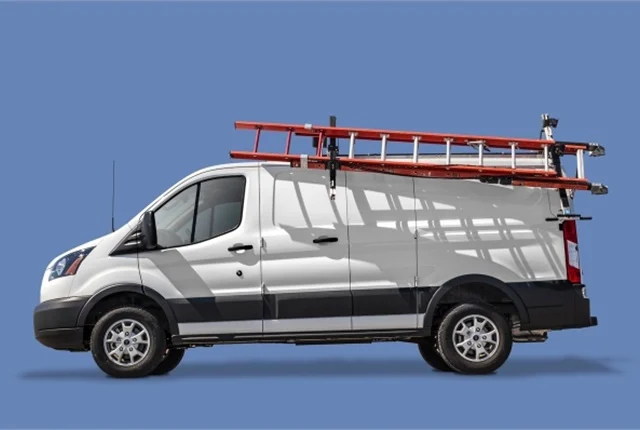
Photo courtesy of Adrian Steel.
4 min to read
Multinational corporations are changing the way they source and manage their vocational fleets to better identify true costs and to leverage opportunities to reduce spend and to maximize the operating efficiency of these specialized vehicles.
Over the decades, procurement has become more and more involved in sourcing fleet assets. Initially, procurement started with lower-hanging fruit, primarily company cars, but have gone further up the asset chain in sourcing more complex vocational fleet vehicles; however, this has proven to be more challenging. For instance, the upfitting spend for vocational fleets is more complex because its specialized equipment is harder to commoditize.
Frequently, upfitters and vehicle conversion companies are not global or even multi-regional operations, so it continues to be a local discussion with local suppliers. The vehicle conversion supply chain varies by region. While sourcing drives the conversation, the local fleet decision-makers are key players because they know the local upfitters and truck OEMs.
Vocational Trucks Are Earning Assets
Sourcing managers view work trucks as earning assets and to maximize their productivity, vehicle sourcing requirements are defined by the fleet application and mission requirements. Without fully understanding the fleet application requirements and operating parameters, it is impossible to source the best chassis, powertrain, and body necessary to optimize productivity.
When managing assets on a global basis, it is important to identify best practices among regional operations and start applying these practices to other markets where you operate. The reality is that regional vocational fleets in the same organizations are often isolated from each other and unaware of operational efficiencies occurring elsewhere. Although they are the same company, there is generally no sharing of information. When you eliminate these information silos, a fleet manager has the potential to add recognizable value to the whole organization.
How you adopt these best practices will give better control of your complex fleet, which will generate the ongoing cost savings. Depending on the expense of the upfitting, it is sometimes worth more than the vehicle itself. If the equipment is not optimal to the application, it will have a huge impact on your business. When managing a globally dispersed fleet, there are critical variables in sourcing a vocational truck critical factors that will vary region-by-region.
Understanding the Complexity of Managing Vocational Fleets in Europe: The term “upfitter” is primarily used in North America and not so much in Europe, which tends to use terms such as LCV converter or LCV multi-specialist manufacturer, with LCV standing for light commercial vehicle. In Europe, fleets have a strong relationship with their conversion companies, which primarily service fleets in a specific country market.
However, there are major pan-European LCV converters, such as Fraikin and Gruau, which, in addition to selling direct to large fleets, have a strong clientele among European OEMs and dealers selling specialized equipment for unique fleet applications. In addition, a significant amount of LCV conversions are done by dealers for their local fleet customers. LCV conversions vary by country since there is no pan-European industry standard.
Many pan-European fleets have complex needs due to regulations that differ by country and in some instances, such as Germany, the vehicle conversion market is highly regulated. Vehicle converters face a complicated procedure to ensure the conversion of LCVs into dropsides, tippers, or refrigerated units to achieve regulatory requirements such as WLTP homologation, which stands for “world harmonized light-duty vehicles test procedure.” All new LCVs must be WLTP homologated to provide buyers with more accurate fuel consumption and emissions information. Where problems arise is in the WLTP testing of third-party conversions. Each of these models needs its own WLTP figures to comply with the regulations.
Managing Vocational Fleets in South Africa and Sub Saharan Africa: When operating complex, vocational fleets across the African continent, vehicle maintenance presents a key challenge because of the inadequate service infrastructure. In South Africa, some fleet management companies operate specialized upfitting businesses that provide a full package integrated solution.
Strategies to Optimize Lifecycle TCO in Latin America: The two largest fleet markets in Latin America are Mexico and Brazil. There are unique needs of vocational fleets in each market, such as vehicle spec’ing, decaling, maintenance management, and asset disposal at the end of a vehicle’s service life. In Mexico and Latin America, the supply chain is different than in North America.
The region has a limited network of upfitting companies. In Latin America, it is not uncommon for manufacturers to do some of the upfitting, which is not always the most efficient way to do it because it’s not their core competency.
Best Practices in Operating a Vocational Fleet in North America: There are many similarities between U.S. and Canadian fleet markets in managing the upfit of fleet chassis by using ship-thru networks, drop-ships, or bailment pools.
There are extensive upfit options available to fleets. Over the years, upfitters have been creating greater efficiencies in their production processes. with particular emphasis on enhancing safety, ergonomics, productivity, sustainability, and lightweighting to maximize a chassis fuel economy.
If you want to learn how to better manage a multi-regional vocational fleet, the Global Fleet Experience virtual conference, held on May 4-27, 2021, will examine regional best practices around the globe in the management of these complex fleets.
You can find more information about the 2021 Global Fleet Experience virtual conference at www.globalfleetconference.com.
Let me know what you think.
Subscribe to Our Newsletter
More Blog Posts

Fleets Want Trust Restored with Suppliers
During this period of ongoing supply constraints, the trust that fleet managers had with OEMs, upfitters, and dealers has been strained. Fleet managers say they have had too many experiences over the past three years coping with erroneous information, adjusting to multiple price increases, and feeling betrayed by inadequate transparency from suppliers.
Read More →
Scheduled Replacement Cycles Are Becoming a Distant Memory
The ongoing difficulty in sourcing replacement vehicles is forcing companies to extend the service lives of vehicles that are unable to be replaced, which, inevitably, increases unscheduled maintenance expenses.
Read More →
Fleet Simplification is the Antidote to Asset Variability
Fleet simplification identifies asset functions to uncover commonality among the equipment and assets. Simplification increases operational efficiency as end-users become accustomed to the controls, displays, and operation of less diverse units.
Read More →
The Dangers of Static Fleet Policies
A fleet policy is a living document, flexible enough to adapt to evolving business priorities, developing industry trends, and changing industry best practices and standards.
Read More →
Short-Term vs. Long-Term Cost Reductions
Corporate procurement staff are often driven by short-term, immediate cost reductions. However, a longer perspective to soft cost savings is critical because fixating on short-term results will hurt a company in the long run.
Read More →
Uptick in Unscheduled Maintenance Increasing Vehicle Downtime
Fleet data analysis can identify recurring downtime issues. It’s important to determine the root causes of downtime so procedures can be developed to minimize such problems.
Read More →
Eliminate Needless Curb Weight to Maximize ICE & EV Efficiencies
Vehicle weight relates directly to fuel economy. In today’s era of electrification, there is also a direct correlation between vehicle weight and battery range.
Read More →
Tech Dependence Risks Dumbing Down Fleet Manager Expertise
The line between creative thinking and problem solving and doing what the data indicates is thin. To lead in fleet management, you need to balance understanding the fundamentals and embracing what smart technology offers.
Read More →
Leverage the Synergy of Safe Driving to Achieve Sustainability and Cost Goals
Safe driving, emission reductions, and cost containment can all be achieved at the same time.
Read More →
The Playbook for Fleet Manager Success
There are many paths to success — most of them involve being flexible, open-minded, and willing to learn.
Read More →