




Viewing the Company Vehicle as an Entitlement
A growing number of drivers view the company vehicle as a perk rather than a tool to perform their job. This view is more pronounced in certain generational groups. I speak with many fleet managers and can attest that most echo the belief that attitudes about company vehicles differ by the age of the driver. Many fleet managers believe younger workers have an entitlement attitude. However, these entitlement attitudes appear on both sides of the generational divide.

A growing number of drivers view the company vehicle as a perk rather than a tool to perform their job. This view is more pronounced in certain generational groups. "Younger workers tend to have an entitlement attitude," said one fleet manager. This entitlement attitude appears to be broad-based. Another fleet manager in completely different industry offered a very similar observation: "I definitely see a generation gap between drivers in their 40s and older and those in their 20s or early 30s."
I speak with many fleet managers and can attest that most echo the belief that attitudes about company vehicles differ by the age of the driver. "Drivers in their 20s and 30s tend to consider the vehicle as something they are entitled to, right down to the day they are suppose to return it, even if they have been terminated," said a fleet manager.
This age group, referred to as the "Millennial Generation" or "Gen Y," has been dubbed by critics as the "Entitlement Generation." They grew up during the most affluent time of our nation's history, which critics say has colored their outlook on life.
A Societal Issue
The idea of entitlement extends beyond fleet and is a broader societal issue. "Sometimes new-hires come from a certain socio-economic environment — whether it is at home or college — and they are used to a certain lifestyle. If certain things do not meet their 'standards,' they will quickly express their displeasure," said a Midwest fleet manager. "The tight job market has pressured employees to stay under the radar, but as the economy improves, more drivers will feel entitled to stretch the rules since companies have lowered the salary range for incoming employees."
Some companies that lowered starting salaries have upgraded the trim level of company cars in an effort to be more attractive to new hires. However, this gambit backfires by alienating those currently on the payroll driving lower trim-level vehicles. These veteran employees believe they have sacrificed with the bare minimum, then "the new hire" gets an increased trim-level car. "This often causes mini-revolts in which the fleet manager is often caught in the middle," said a fleet manager.
However, entitlement attitudes appear on both sides of the generational divide. "Our seasoned reps are the ones with the sense of entitlement. They believe they have 'earned' these perks. They expect benefits based on longevity, not merit." This group also includes senior management. "They do exactly what they want to do," said another fleet manager. "My direction is to be 'hands-off.' I am told they are 'too busy' to be held accountable and 'too important' to perform mundane fleet tasks. Executives also have an entitlement mentality and feel they have a 'right' to the privileges of a company car and are quick to push the envelope."
Ignoring "Cowboy" Behavior
Sometimes HR and business line managers ignore fleet advisories and allow "cowboy" behavior. These scofflaw drivers prefer fleet managers stay out of their business and management's inaction tacitly supports them. This attitude is emblematic of a larger corporate problem. "If employees can't be honest adhering to something as simple as company car policies, what other things will they be dishonest about?" asked one fleet manager.
In fact, some fleet managers candidly reveal they do not confront these offending drivers because they don't want to create more work for themselves nor make corporate enemies. But, invariably, this "look the other way" attitude fuels further infractions because drivers talk among themselves. "A sense of entitlement is learned in a business by negative reinforcement. Once employees figure out they can 'get away' with something, others will also try," said a fleet manager. "As soon as someone is penalized, that knowledge spreads throughout the entire driver base. This tells drivers the company is watching and acts as a deterrent."
Gaming the system is not a new fleet phenomenon. Since the birth of company vehicles, drivers have twisted the rules to overstate business mileage and under-report personal miles, or sneak gas into the spouse's car on the company dime. As one long-time fleet manager said, "the good old days weren't always good. Drivers were every bit the pain in the neck in 1975 as they are today."
In fairness, more than 95 percent of all drivers are appreciative of their company vehicles and conform to fleet policy. It is the other 5 percent who consistently push the limits. These drivers have a greater willingness to be vocal in their demands, which often lead to higher costs. Fleet managers are increasingly forced to act as a diplomat to strike a balance between cost containment and ever-increasing driver wants.
"We play this game over and over," lamented one fleet manager. "Frustrating? Oh yeah!"
Let me know what you think.
mike.antich@bobit.com
More Blog Posts
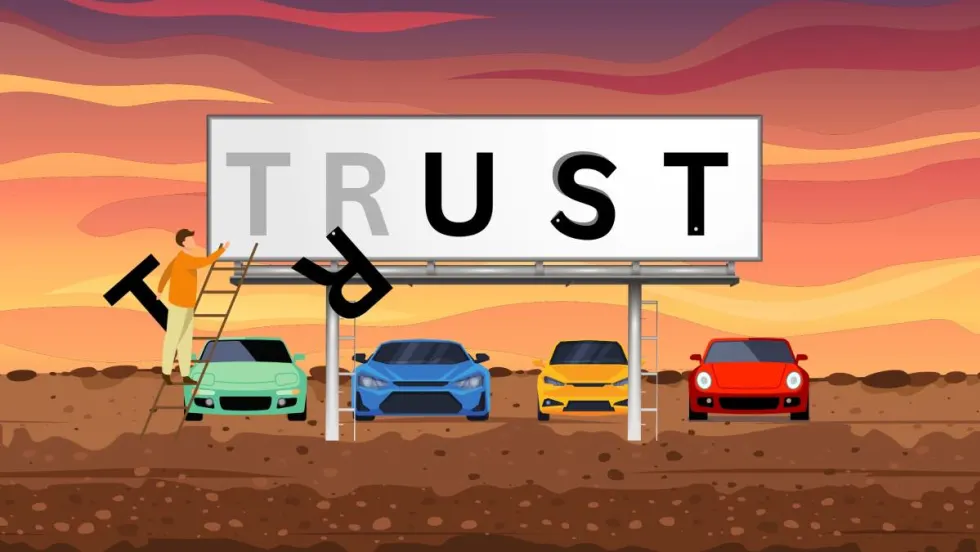
Fleets Want Trust Restored with Suppliers
During this period of ongoing supply constraints, the trust that fleet managers had with OEMs, upfitters, and dealers has been strained. Fleet managers say they have had too many experiences over the past three years coping with erroneous information, adjusting to multiple price increases, and feeling betrayed by inadequate transparency from suppliers.
Read More →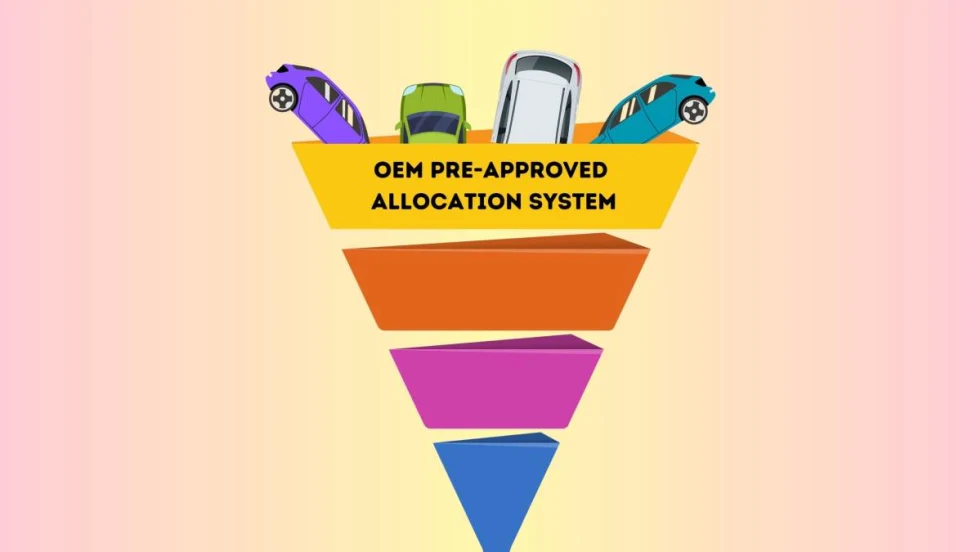
Scheduled Replacement Cycles Are Becoming a Distant Memory
The ongoing difficulty in sourcing replacement vehicles is forcing companies to extend the service lives of vehicles that are unable to be replaced, which, inevitably, increases unscheduled maintenance expenses.
Read More →
Fleet Simplification is the Antidote to Asset Variability
Fleet simplification identifies asset functions to uncover commonality among the equipment and assets. Simplification increases operational efficiency as end-users become accustomed to the controls, displays, and operation of less diverse units.
Read More →
The Dangers of Static Fleet Policies
A fleet policy is a living document, flexible enough to adapt to evolving business priorities, developing industry trends, and changing industry best practices and standards.
Read More →
Short-Term vs. Long-Term Cost Reductions
Corporate procurement staff are often driven by short-term, immediate cost reductions. However, a longer perspective to soft cost savings is critical because fixating on short-term results will hurt a company in the long run.
Read More →
Uptick in Unscheduled Maintenance Increasing Vehicle Downtime
Fleet data analysis can identify recurring downtime issues. It’s important to determine the root causes of downtime so procedures can be developed to minimize such problems.
Read More →
Eliminate Needless Curb Weight to Maximize ICE & EV Efficiencies
Vehicle weight relates directly to fuel economy. In today’s era of electrification, there is also a direct correlation between vehicle weight and battery range.
Read More →
Tech Dependence Risks Dumbing Down Fleet Manager Expertise
The line between creative thinking and problem solving and doing what the data indicates is thin. To lead in fleet management, you need to balance understanding the fundamentals and embracing what smart technology offers.
Read More →
Leverage the Synergy of Safe Driving to Achieve Sustainability and Cost Goals
Safe driving, emission reductions, and cost containment can all be achieved at the same time.
Read More →
The Playbook for Fleet Manager Success
There are many paths to success — most of them involve being flexible, open-minded, and willing to learn.
Read More →