




Using Targeted Production Weeks to Maximize Resale Values
The majority of fleet managers place new-vehicle orders with the expectation that these units will be built and shipped based on normal lead-times. However, a growing number of fleets, especially larger fleets, are using targeted production weeks (TPW) as a fleet planning tool when placing new-vehicle orders.
“We saw a dramatic increase in the number of fleets using targeted production weeks in 2005 versus last year,” said Jack Pierce, vice president of operations for LeasePlan USA. “The industry is starting to accept targeted production weeks as a strategy and methodology for fleet timing. I believe the use of TPWs will increase and I predict that we will see even more use in 2007-model ordering than we will see in 2006. Larger, more sophisticated fleets will continue to migrate to this strategy of fleet timing. It gives them more control as to when a vehicle comes into service. It’s smart fleet planning.”
General Motors reports that it too is seeing an increase in the number of fleets using targeted production weeks for new-vehicle fleet ordering. “It is our intent to produce and deliver our customer orders as closely as possible to their desired timing,” said Mark Karney, director, forecast planning & customer support for GM Fleet & Commercial Operations. “When a fleet customer provides us with a requested targeted production week, we convert that data to a code, which our order scheduling system recognizes.”
All of the major auto manufacturers can provide fleet customers with targeted production weeks. At GM, the scheduling codes are referred to as b-codes. There are 52 b-codes in the GM ordering system, one for each calendar week of the year. Each fleet customer has the ability to request a desired target production week. GM identifies how many vehicles it can build each week and in which configurations. The GM scheduling system electronically moves orders with b-codes into the requested production week and will hold them there as long as there are no manufacturing constraints or restrictions. “In the absence of the scheduling b-code on the order(s), the scheduling system would try to build the orders in the first available production slot, which might be sooner than what the customer desires,” said Karney.
One advantage to using TPWs is that it avoids having vehicles delivered too quickly. “Fleets that request targeted production weeks, in some cases, are more concerned about the vehicle coming in earlier than they would like rather than later,” said Rick Shick, VP, acquisition services for Donlen Corp. “Also, for budgetary reasons, they may want to take delivery after the start of their fiscal year. In these situations, they will ask for production weeks that will ensure the vehicles don’t get built and shipped too soon.” Another fleet use for TPWs is to coincide new-vehicle delivery with specific events. “Fleets can request future delivery dates to schedule vehicle arrivals with store openings or new project
start-ups,” said Tony Crea, manager, VADS systems & vendor relations for ARI.
Timing Vehicle Replacement to Optimize Resale
Used-vehicle prices have seasonal highs and lows during the course of the year. TPWs allow fleets to time the dates that replaced vehicles are remarketed. “I have seen customers order early and negotiate target production weeks on early fall orders specifically with the intent of maximizing resale on the vehicles being replaced and with the intent of short-cycling the new vehicles to minimize depreciation costs,” said Shick.
The best months for vehicle remarketing are in the fall and spring. Resale values may increase as much as 20 percent, as opposed to selling identical vehicles in the winter or summer.
“With targeted production weeks, you have more control over the resale aspect of your fleet. It boils down to timing,” added Pierce. “Fleet timing is not only important as to when you put vehicles in service, but it is also important as to when you take vehicles out of service. You may want to time replacement to coincide with the traditionally strong spring resale market and the tax refund season, when prospective used-vehicle buyers have discretionary income injected into the pockets.”
A fleet manager’s top priority is to obtain the highest resale for each vehicle taken out of service. A good way to do this is by scheduling TPWs so that new-vehicle deliveries coincide with seasonal highs in the used-vehicle market.
However, using TPWs requires a lot of work. “Before submitting orders with future TPWs, fleet managers should consider the potential of future fluctuations in their fleets,” said Stratford Dick, director of marketing for Wheels. “For example, every fleet will face changing needs due to budget cuts, territory reorganizations, changes in who is driving the vehicle, or when a given vehicle will be needed. In addition, driver adds, deletes, and address changes may require additional monitoring and order changes. Using TPWs to schedule in advance means reviewing on an ongoing basis orders already submitted or you run the risk of having the wrong mix or timing on the eventual deliveries.”
Let me know what you think.
mike.antich@bobit.com
More Blog Posts

Fleets Want Trust Restored with Suppliers
During this period of ongoing supply constraints, the trust that fleet managers had with OEMs, upfitters, and dealers has been strained. Fleet managers say they have had too many experiences over the past three years coping with erroneous information, adjusting to multiple price increases, and feeling betrayed by inadequate transparency from suppliers.
Read More →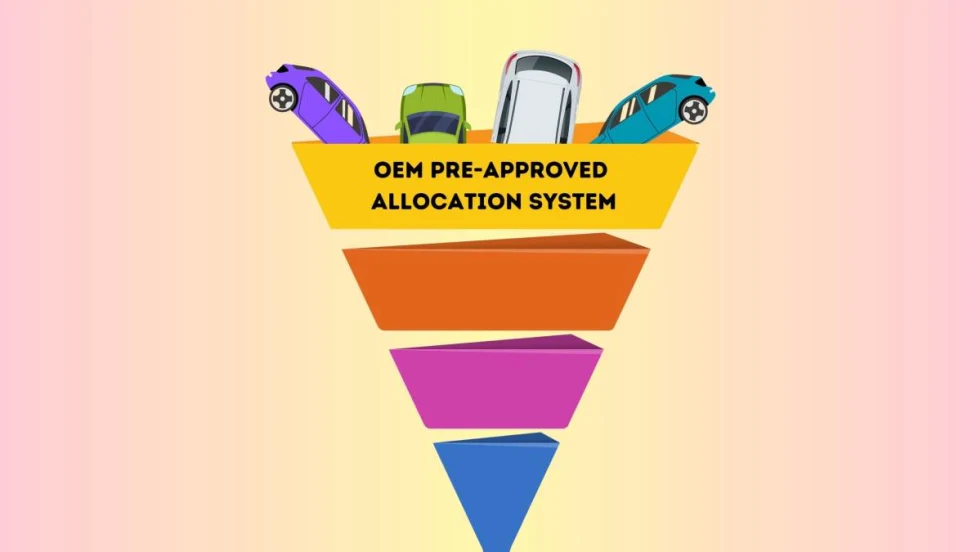
Scheduled Replacement Cycles Are Becoming a Distant Memory
The ongoing difficulty in sourcing replacement vehicles is forcing companies to extend the service lives of vehicles that are unable to be replaced, which, inevitably, increases unscheduled maintenance expenses.
Read More →
Fleet Simplification is the Antidote to Asset Variability
Fleet simplification identifies asset functions to uncover commonality among the equipment and assets. Simplification increases operational efficiency as end-users become accustomed to the controls, displays, and operation of less diverse units.
Read More →
The Dangers of Static Fleet Policies
A fleet policy is a living document, flexible enough to adapt to evolving business priorities, developing industry trends, and changing industry best practices and standards.
Read More →
Short-Term vs. Long-Term Cost Reductions
Corporate procurement staff are often driven by short-term, immediate cost reductions. However, a longer perspective to soft cost savings is critical because fixating on short-term results will hurt a company in the long run.
Read More →
Uptick in Unscheduled Maintenance Increasing Vehicle Downtime
Fleet data analysis can identify recurring downtime issues. It’s important to determine the root causes of downtime so procedures can be developed to minimize such problems.
Read More →
Eliminate Needless Curb Weight to Maximize ICE & EV Efficiencies
Vehicle weight relates directly to fuel economy. In today’s era of electrification, there is also a direct correlation between vehicle weight and battery range.
Read More →
Tech Dependence Risks Dumbing Down Fleet Manager Expertise
The line between creative thinking and problem solving and doing what the data indicates is thin. To lead in fleet management, you need to balance understanding the fundamentals and embracing what smart technology offers.
Read More →
Leverage the Synergy of Safe Driving to Achieve Sustainability and Cost Goals
Safe driving, emission reductions, and cost containment can all be achieved at the same time.
Read More →
The Playbook for Fleet Manager Success
There are many paths to success — most of them involve being flexible, open-minded, and willing to learn.
Read More →