




Unpopular Flat-Rate Compensation Contributes to Shortage of Repair Techs
A tech’s pay is determined by the type of job and whether they can complete the repair in less time than specified by the flat-rate, which will allow them to increase their work volume.

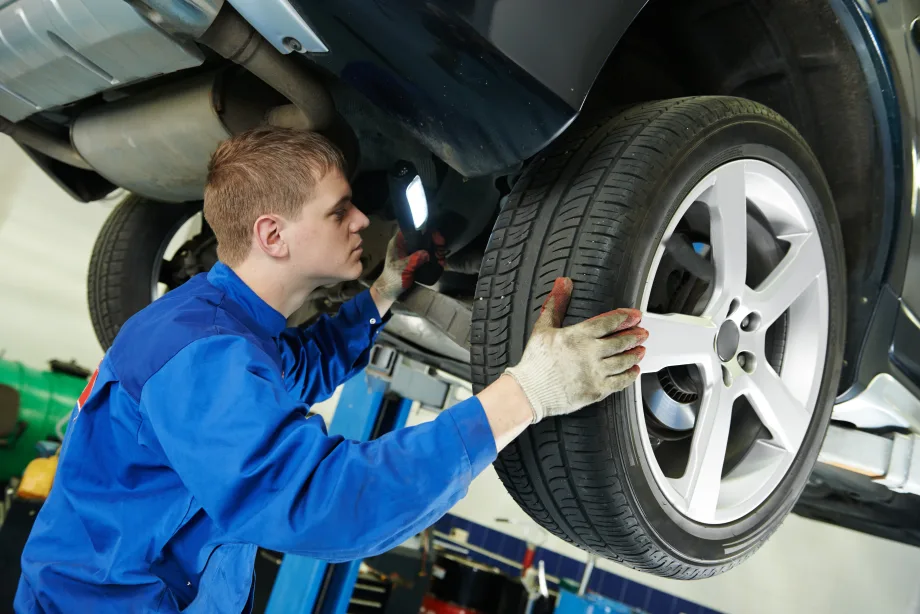
Photo: Shutterstock/Dmitry Kalinovsky
During the pandemic, the turnaround time on truck maintenance has been relatively fast because there were fewer trucks on the road creating a better equilibrium between the ratio of trucks to technicians. The greatest impact of the pandemic-induced economic shutdown has been on the leisure and hospitality industries, which get most of their goods delivered by truck.
This has idled many truck fleets servicing these segments. But once the pandemic subsides and there is a full resumption of business activity, it will reaccentuate the reality of the severe shortage of techs.
There are two key reasons why there is a shortage of technicians: First, there is limited vocational training opportunities resulting in fewer younger techs joining the profession to replace retiring Baby Boomers and, secondly, increased vehicle complexity is elevating the skillset needed to work on today’s vehicles.
A frequently heard refrain is the difficulty in finding and retaining qualified mechanics. A common strategy is recruiting techs from another operation, which doesn’t resolve the long-term problem.
Getting the Service Tech’s Perspective
When service techs communicate with me, they say the No. 1 reason why technicians are leaving the profession is due to pay, in particular, the flat-rate system, which many technicians contend under-compensates them in relation to other industries requiring similar skillsets. A flat-rate compensation plan assigns standard times to complete a repair job. Techs earn a specified dollar amount for each job, regardless of how long it takes, as opposed to getting paid hourly for the time actually spent to complete the repair.
A tech’s pay is determined by the type of job and whether they can complete the repair in less time than specified by the flat-rate, which will allow them to increase their work volume. Warranty and insurance work are notorious for unrealistic repair times, making it less profitable for a tech to perform this type of work. Likewise, when business is slow, techs will earn less money. As the saying goes, if you’re not turning a wrench, you’re not earning a check. While shops use the shortage of techs to charge higher labor rates, under a flat-rate, only a fraction of that labor rate is actually used to pay the technician. About 25% of all service techs leave the industry due to dissatisfaction about pay. It is fairly easy for good mechanics to take their technical skills and earn more money in aerospace, industrial maintenance, and electronics.
Not everyone is opposed to a flat-rate, however. It is argued that most flat-rate technicians are 120-130% more efficient than those who are paid hourly, thus earning more money. Some flat-rate plans also include a performance bonus. But those numbers aren’t accurate across the board because tech productivity is contingent on the volume of work, the type of job, and how quickly you can get required out-of-stock parts.
Techs complain that labor times for most repairs are not realistic and that labor times get shorter and shorter as new vehicles are introduced. They advocate that service techs, in particular, diesel mechanics, be paid at least comparable to other skilled trades, such as electricians or plumbers. In fact, when wages are compared to electricians and plumbers, service techs are on the lower end of the scale.
But the complaints don’t stop here. As vehicle functionality is increasingly dependent on electronics and software, it has begun to stretch the skillset of some technicians. As a result, techs have to continually update their job knowledge with every new model, but complain they do not receive an increase in wage. Some shops reimburse techs for ASE classes and other certification courses, but not all.
Another issue is the out-of-pocket cost of tools. Maintenance facilities will provide the larger shop equipment, such as brake lathes, and some shops will provide a tool allowance, but most shops do not. It is the financial responsibility of techs to buy their tools.
As vehicle complexity increases, service techs are required to continually upgrade their tools. As vehicles become more computerized, the tools have also become more complicated and expensive, requiring techs to invest more in tools just to stay current.
Another reason for the shortage of technicians is due to demographics as Baby Boomers, who represent the largest age segments of technicians, reach retirement age. There is currently a talent drain among automotive and diesel technicians.
Loss through retirement of long-tenured service techs at many organizations is causing their positions to be filled with inexperienced and less capable personnel. Older skilled technicians are retiring at a rate faster than younger technicians are entering the profession to replace them. Some Baby Boomer techs are accelerating their retirement plans because shops are unwilling to spend training dollars on them because they are close to retirement. In fact, many techs say if companies paid for supplemental training there would be many older techs who would stay on the job.
Many techs retire because companies require them to take personal time off for additional training and for them to pay out-of-pocket for their own classes. An annoying issue is that techs with 30-plus years of experience resent a new tech, who is just out of school, getting paid the same rate as them with no on-the-job experience.
Situation Will Get Worse if Left Unabated
I’m not advocating that labor rates go up, but instead that a higher percentage of the existing labor rate goes to pay the service techs. This will help retain qualified talent and attract younger people entering the workforce to consider a career in automotive repair. Some of the most vocal critics advising against a career in automotive repair are seasoned techs who have grown disgruntled with the flat-rate system and are counting the days to retirement.
Let me know what you think.
More Blog Posts

Fleets Want Trust Restored with Suppliers
During this period of ongoing supply constraints, the trust that fleet managers had with OEMs, upfitters, and dealers has been strained. Fleet managers say they have had too many experiences over the past three years coping with erroneous information, adjusting to multiple price increases, and feeling betrayed by inadequate transparency from suppliers.
Read More →
Scheduled Replacement Cycles Are Becoming a Distant Memory
The ongoing difficulty in sourcing replacement vehicles is forcing companies to extend the service lives of vehicles that are unable to be replaced, which, inevitably, increases unscheduled maintenance expenses.
Read More →
Fleet Simplification is the Antidote to Asset Variability
Fleet simplification identifies asset functions to uncover commonality among the equipment and assets. Simplification increases operational efficiency as end-users become accustomed to the controls, displays, and operation of less diverse units.
Read More →
The Dangers of Static Fleet Policies
A fleet policy is a living document, flexible enough to adapt to evolving business priorities, developing industry trends, and changing industry best practices and standards.
Read More →
Short-Term vs. Long-Term Cost Reductions
Corporate procurement staff are often driven by short-term, immediate cost reductions. However, a longer perspective to soft cost savings is critical because fixating on short-term results will hurt a company in the long run.
Read More →
Uptick in Unscheduled Maintenance Increasing Vehicle Downtime
Fleet data analysis can identify recurring downtime issues. It’s important to determine the root causes of downtime so procedures can be developed to minimize such problems.
Read More →
Eliminate Needless Curb Weight to Maximize ICE & EV Efficiencies
Vehicle weight relates directly to fuel economy. In today’s era of electrification, there is also a direct correlation between vehicle weight and battery range.
Read More →
Tech Dependence Risks Dumbing Down Fleet Manager Expertise
The line between creative thinking and problem solving and doing what the data indicates is thin. To lead in fleet management, you need to balance understanding the fundamentals and embracing what smart technology offers.
Read More →
Leverage the Synergy of Safe Driving to Achieve Sustainability and Cost Goals
Safe driving, emission reductions, and cost containment can all be achieved at the same time.
Read More →
The Playbook for Fleet Manager Success
There are many paths to success — most of them involve being flexible, open-minded, and willing to learn.
Read More →