




Under-Reserving Depreciation Expense is Compounding Fleet Resale Losses
Although resale prices for used fleet vehicles in the wholesale market have stabilized in recent months, the majority of vehicles whose depreciation has been amortized at two percent per month continue to lose money at resale.
Although resale prices for used fleet vehicles in the wholesale market have stabilized in recent months, the majority of vehicles whose depreciation has been amortized at two percent per month continue to lose money at resale. However, this difference between book value and resale should not be solely viewed as a loss. In actuality, it represents depreciation expense adjustments made on the books or on the lease billing to compensate for insufficient depreciation reserves. In the commercial fleet industry, the most common amortization rate used for establishing a depreciation reserve is 50 months. At this rate, the original value of a vehicle is reduced to zero over the 50-month term. Each month, two percent of the capitalized cost is placed into a reserve for depreciation. This is known as establishing a reserve for depreciation, and its goal is to reduce the original value of the vehicle on the company’s books so that its unamortized book value will approximate its resale proceeds. However, in today’s used-vehicle market, which has witnessed three years of year-over-year declines in prices, this is often not the case, causing anguish for many fleet managers. Establishing a Reserve for Depreciation The process of establishing a depreciation reserve rate is determining the depreciation rate that will reduce book value to most closely approximate the vehicle’s market value at the projected time of resale. In the real world, this process is often more complex, and other factors come into play. For instance, when vehicles are funded under a TRAC lease, the rate of depreciation is sometimes calculated by a lessor to make the monthly lease payment market competitive, or a lower rate of depreciation may be requested by the lessee to lower monthly payments. Either way, this invariably results in deficiencies at end of a vehicle’s service life. The ideal amortization rate reduces the original cost of a vehicle to an amount as close to the actual market value as possible. Since a fleet is comprised of different vehicle segments, a fleet manager should give consideration to establishing multiple amortization rates based on different fleet applications or for vehicles used in different geographic terrains. You should try to match the depreciation reserve of these vehicles as closely as possible to their actual depreciation. Sometimes, to protect against large deficiencies on resale, amortization rates are set higher than necessary, resulting in resale proceeds that are higher than the book value. However, you should avoid “over-amortization.” This unnecessarily ties up corporate capital that could be used for other income producing ventures. Forecasting Future Residuals The relationship between amortization and net depreciation must be carefully analyzed before you can determine most cost-effective amortization rate. A fleet manager’s primary focus is determining the most advantageous cash flows and the most effective use of capital for their corporation. Admittedly, selecting a depreciation rate is a complex process that goes beyond the sole consideration of resale. Nonetheless, resale is a key factor to consider when determining an amortization rate. As a fleet manager, you know a vehicle’s projected service life, its anticipated mileage, and its likely condition at the time of resale; likewise, you should also have a real-world understanding of its projected resale value at the time it is taken out of service. Although no one has a crystal ball to predict the future, there are commercial fleet residual forecasting tools available, such as the model developed by Automotive Lease Guide (ALG) that can assist fleet managers in making intelligent projections of future resale values for their fleet vehicles 36 months from now. Let me know what you think. mike.antich@bobit.com
More Blog Posts

Fleets Want Trust Restored with Suppliers
During this period of ongoing supply constraints, the trust that fleet managers had with OEMs, upfitters, and dealers has been strained. Fleet managers say they have had too many experiences over the past three years coping with erroneous information, adjusting to multiple price increases, and feeling betrayed by inadequate transparency from suppliers.
Read More →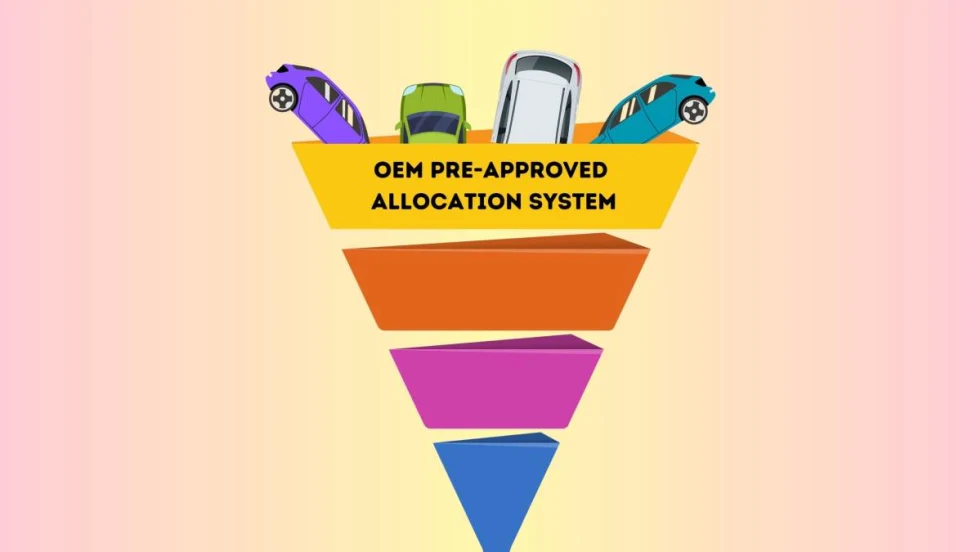
Scheduled Replacement Cycles Are Becoming a Distant Memory
The ongoing difficulty in sourcing replacement vehicles is forcing companies to extend the service lives of vehicles that are unable to be replaced, which, inevitably, increases unscheduled maintenance expenses.
Read More →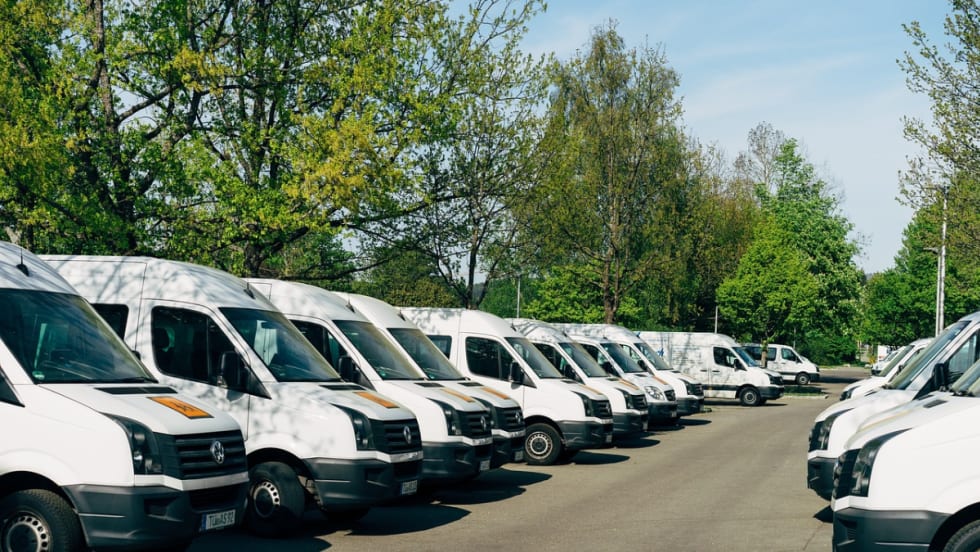
Fleet Simplification is the Antidote to Asset Variability
Fleet simplification identifies asset functions to uncover commonality among the equipment and assets. Simplification increases operational efficiency as end-users become accustomed to the controls, displays, and operation of less diverse units.
Read More →
The Dangers of Static Fleet Policies
A fleet policy is a living document, flexible enough to adapt to evolving business priorities, developing industry trends, and changing industry best practices and standards.
Read More →
Short-Term vs. Long-Term Cost Reductions
Corporate procurement staff are often driven by short-term, immediate cost reductions. However, a longer perspective to soft cost savings is critical because fixating on short-term results will hurt a company in the long run.
Read More →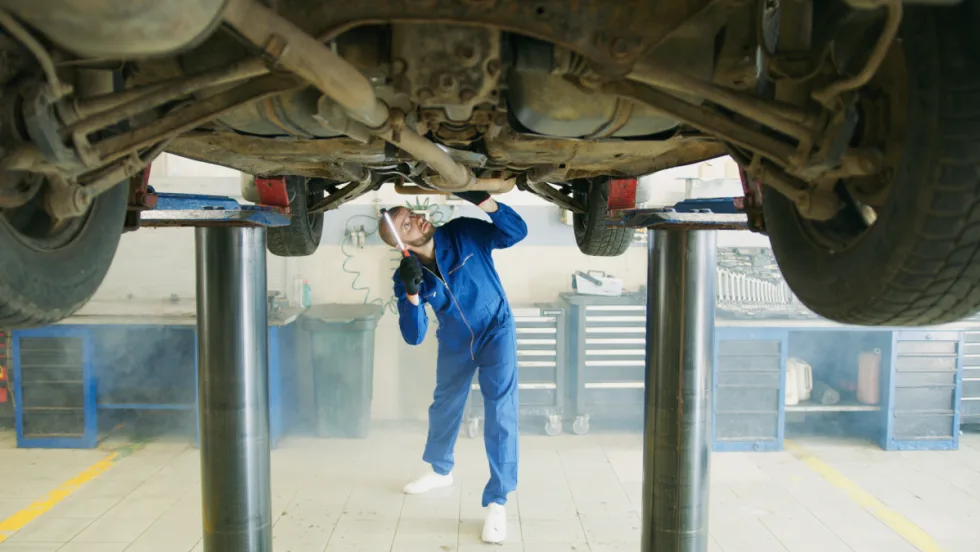
Uptick in Unscheduled Maintenance Increasing Vehicle Downtime
Fleet data analysis can identify recurring downtime issues. It’s important to determine the root causes of downtime so procedures can be developed to minimize such problems.
Read More →
Eliminate Needless Curb Weight to Maximize ICE & EV Efficiencies
Vehicle weight relates directly to fuel economy. In today’s era of electrification, there is also a direct correlation between vehicle weight and battery range.
Read More →
Tech Dependence Risks Dumbing Down Fleet Manager Expertise
The line between creative thinking and problem solving and doing what the data indicates is thin. To lead in fleet management, you need to balance understanding the fundamentals and embracing what smart technology offers.
Read More →
Leverage the Synergy of Safe Driving to Achieve Sustainability and Cost Goals
Safe driving, emission reductions, and cost containment can all be achieved at the same time.
Read More →
The Playbook for Fleet Manager Success
There are many paths to success — most of them involve being flexible, open-minded, and willing to learn.
Read More →