




Two Trend Lines Impacting Tomorrow’s Commercial Fleets
There are a multitude of trends that will impact tomorrow’s fleets. In this blog, I will focus on just two trend lines — technology and governmental mandates. Here's what I foresee.

There are a multitude of trends that will impact tomorrow’s fleets, but, due to space constraints, I will focus on two trend lines:
Technology, specifically the widespread digitalization and connectivity proliferation of almost all business activities and our day-to-day lives.
Governmental mandates, in particular, the corporate average fuel economy (CAFE) standard of 54.4 mpg for cars and greenhouse gas (GHG) standards to reduce CO2 emissions to an average 163 grams per mile per OEM. Both are effective 2025.
Impact of Technology on Fleets
Remote diagnostics technologies: These technologies evaluate equipment status from a remote central location and, if necessary, downloads corrective software. In the past, equipment diagnostics required technical troubleshooters to drive a company-provided van to a customer location. Service vans will always be needed, but fewer may be needed in future years due to the proliferation and efficacy of remote diagnostics technologies.
Next-generation videoconferencing or telepresence: Companies, such as Cisco, are betting big on the future of videoconferencing, or, as they call it, telepresence. One area where telepresence could impact fleets is in the pharma and medical device industries, which would use this technology to remotely demonstrate products and pharmaceuticals to physicians versus using field reps driving company vehicles. Field reps will always be needed, but the widespread use of this technology may require fewer of them, and conversely fewer company-provided cars.
Forthcoming Virtual Reality Tools: Watch for new and exciting virtual reality tools to burst forth into the business and consumer marketplaces. There will be quick adoption of new virtual reality tools for remote new-vehicle selection by both consumers and commercial fleet buyers. There will be numerous fleet applications, such as early adoption of virtual reality to train new technicians or educate drivers in safe driving techniques.
Self-Service Fleet Management: The U.S. is migrating to a self-serve economy. Interactive self-service technology permeates large swathes of our economy, with the retail, hospitality, banking, and travel industries being the early adopters. Similarly, technology is shifting more fleet management to the driver level. The transition to self-serve fleet management will change not only driver interaction, but also the skillset required of fleet managers.
Wearable Computers to Amplify Distracted Driving: Wearable technologies are a wide range of miniature electronic devices worn for extended periods by a user on either his or her body or clothing. These devices will have numerous consumer applications, such as healthcare (monitoring blood pressure or glucose levels), physical fitness accessories (heart rate monitoring or calories burned), wearable cameras, or augmented reality devices, which provide Web-based information through an optical head-mounted display. Deloitte predicts there will be 100 million wearable devices sold by 2020. If you thought distracted driving was a serious issue today, just wait until tomorrow.
Greater Use of “Digital Wallets:” A digital wallet is an electronic device that allows a user to make electronic financial transactions, such as using a smartphone (or perhaps a wearable) to purchase something at a store. Potentially digital wallets could be the next generation payment mechanism replacing fuel cards.
Partial Shift Away from Driver-Dedicated Vehicles: As the cost to operate a company fleet grows, proponents will advocate a shift away from driver-dedicated fleet vehicles to alternative car-on-demand services, such as Uber-like companies. This advocacy will be generationally driven by millennials and younger associates whose representation in the workforce and, more importantly, management, is growing and who have a greater acceptance for this type of service.
Technology to drive reduction in overall fleet size: Technology will allow many in-person functions to be handled remotely. I’ve heard estimates that companies, which will aggressively employ a wide menu of these business efficiency technologies, could, in the future, decrease fleet vehicle count by as much as 20%.
Another talked about trend is autonomous vehicles, which, while significant, is destined to be a “late next decade” discussion.
Impact of CAFE and GHG Mandates
The 2025 CAFE standards and GHG standards for OEMs will have a major impact on the types of vehicles fleets operate in the future. Although beneficial, there are unintended consequences.
CAFE to increase acquisition costs: The cost to design and build vehicles to meet the higher 2025 fuel efficiency standards will average an additional $2,000 to $6,000 per vehicle. This will represent another variable contributing to “fleet price inflation.”
Higher Vehicle-Related Taxes: As vehicles become more fuel efficient, revenue generated from fuel taxes will drop, causing states and municipalities to introduce higher registration fees, specifically commercial fleet usage fees and emissions taxes.
CAFE will Dampen Hybrid Sales: Hybrids will become less attractive as fuel economy increases for gasoline engines.
Impact of Lightweighting on Accident Costs: One strategy to increase fuel economy is to reduce curb weight using lighter materials to construct vehicles, upfit bodies, and automotive components. This will improve fuel efficiency, but the use of the lighter materials may increase the per-incident accident repair cost.
Autonomous Vehicles Help Meet CAFE Standards: If driver behavior influences 30% of a vehicle’s fuel consumption, then it stands to reason, by eliminating the driver, you will get a dramatic uptick in average fleet-wide fuel economy. Autonomous vehicles will represent the true embodiment of eco-driving.
Let me know what you think.
mike.antich@bobit.com
More Blog Posts
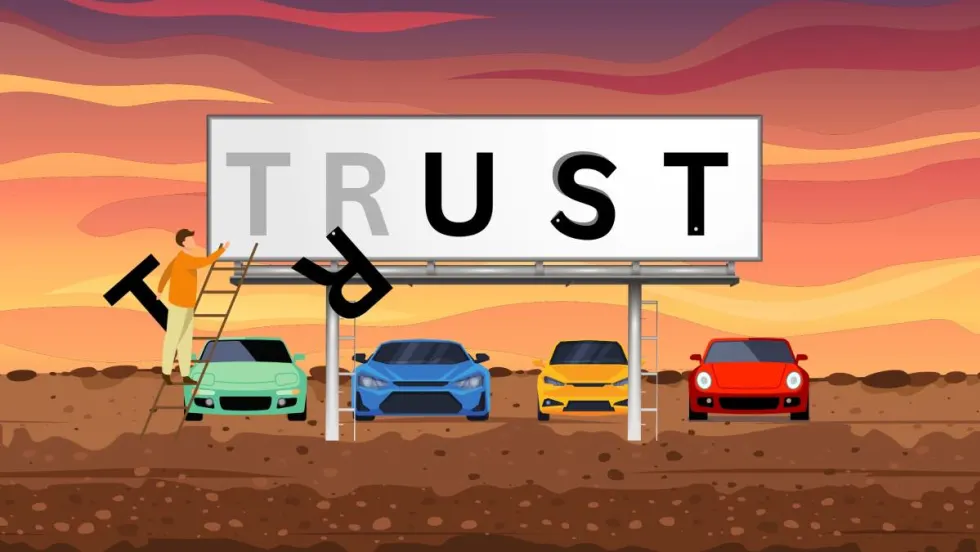
Fleets Want Trust Restored with Suppliers
During this period of ongoing supply constraints, the trust that fleet managers had with OEMs, upfitters, and dealers has been strained. Fleet managers say they have had too many experiences over the past three years coping with erroneous information, adjusting to multiple price increases, and feeling betrayed by inadequate transparency from suppliers.
Read More →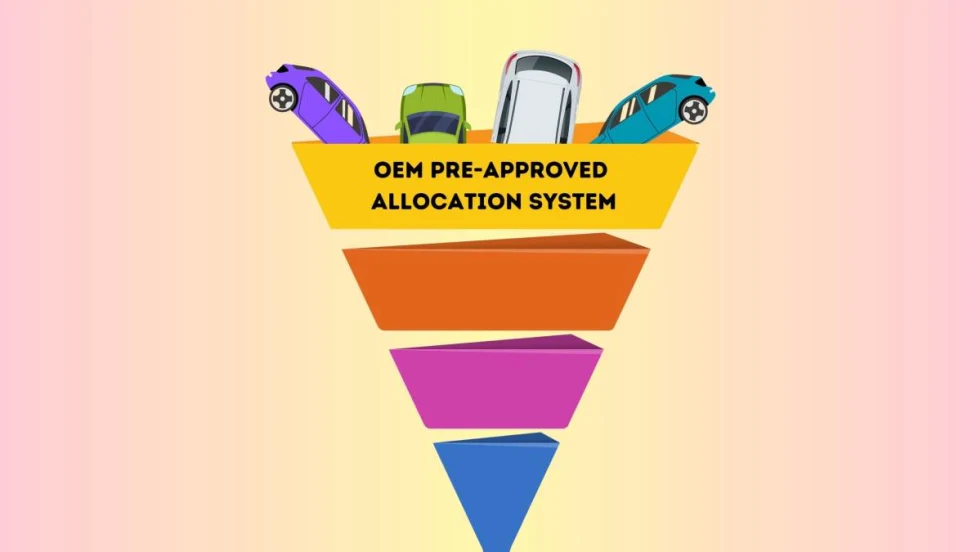
Scheduled Replacement Cycles Are Becoming a Distant Memory
The ongoing difficulty in sourcing replacement vehicles is forcing companies to extend the service lives of vehicles that are unable to be replaced, which, inevitably, increases unscheduled maintenance expenses.
Read More →
Fleet Simplification is the Antidote to Asset Variability
Fleet simplification identifies asset functions to uncover commonality among the equipment and assets. Simplification increases operational efficiency as end-users become accustomed to the controls, displays, and operation of less diverse units.
Read More →
The Dangers of Static Fleet Policies
A fleet policy is a living document, flexible enough to adapt to evolving business priorities, developing industry trends, and changing industry best practices and standards.
Read More →
Short-Term vs. Long-Term Cost Reductions
Corporate procurement staff are often driven by short-term, immediate cost reductions. However, a longer perspective to soft cost savings is critical because fixating on short-term results will hurt a company in the long run.
Read More →
Uptick in Unscheduled Maintenance Increasing Vehicle Downtime
Fleet data analysis can identify recurring downtime issues. It’s important to determine the root causes of downtime so procedures can be developed to minimize such problems.
Read More →
Eliminate Needless Curb Weight to Maximize ICE & EV Efficiencies
Vehicle weight relates directly to fuel economy. In today’s era of electrification, there is also a direct correlation between vehicle weight and battery range.
Read More →
Tech Dependence Risks Dumbing Down Fleet Manager Expertise
The line between creative thinking and problem solving and doing what the data indicates is thin. To lead in fleet management, you need to balance understanding the fundamentals and embracing what smart technology offers.
Read More →
Leverage the Synergy of Safe Driving to Achieve Sustainability and Cost Goals
Safe driving, emission reductions, and cost containment can all be achieved at the same time.
Read More →
The Playbook for Fleet Manager Success
There are many paths to success — most of them involve being flexible, open-minded, and willing to learn.
Read More →