




There's Nothing New Under the Sun
Since every aspect of fleet management revolves around money, reducing fleet costs is a constant, never-ending struggle for all fleet managers. The pressure to save money year-over-year is persistent for all companies, but extremely difficult to achieve, especially in an environment of rising costs. Many fleet managers are given fleet cost-reduction goals, based on a specific percentage, and it is up to them to figure out how to achieve it. The problem is many fleet costs are beyond our control.

Since every aspect of fleet management revolves around money, reducing fleet costs is a constant, never-ending struggle for all fleet managers. The pressure to save money year-over-year is persistent for all companies, but extremely difficult to achieve, especially in an environment of rising costs. For instance, vehicle acquisition costs have increased (and will increase further in the future) to meet increasingly stringent government-mandated safety and fuel-efficiency standards. In addition, the amount of technology contented in new vehicles increases each model-year. While new onboard technologies improves engine performance, fuel economy, driver comfort, and increases productivity, they incrementally add to overall vehicle acquisition costs and subsequent maintenance expenses.
The same trend is true for fleet operating costs, which are, likewise, facing upward pricing pressures. Replacement tire prices have increased due to higher raw material costs.
Tires are the second-highest operating expense for fleets and prices will continue to remain elevated for the balance of 2012 and into 2013. The root cause of tire price increases is volatile commodity prices for the cost of rubber, steel, and oil. Similarly, higher commodity prices are impacting maintenance expenses by causing replacement component costs to increase, while inflation puts upward pressure on labor rates in many high-cost markets.
Today’s high resale values are helping mitigate depreciation expense, but they are an anomaly caused by the shortage of used vehicles in the wholesale market due to the extremely low sales of new vehicles during the 2008-2011 time frame. Nowadays, everyone is a hero when it comes to getting top dollar for their out-of-service fleet vehicles; however, these artificially high prices will ultimately decline as used-vehicle supply increases. Most remarketing analysts predict used-vehicle supply will begin to increase starting in CY-2013. As used-vehicle supply reaches equilibrium with buyer demand, resale values will soften.
Many fleet managers are given cost-reduction goals by management, based on a specific percentage reduction in fleet costs, and it is up to them to figure out how they are going to achieve the goals. This sometimes creates interdepartmental friction between fleet and other departments such as procurement, HR, and the sales/operational areas of the company.
The reality is that there is a limit to a fleet manager’s ability to reduce fleet equipment costs (and related operating expenses) due to fleet application requirements. One way to offset higher costs is to increase fleet productivity. However, implementing productivity strategies is difficult since fleet touches so many stakeholders within an organization who have varying and, sometimes, contradictory expectations. The best truism in fleet management is that the optimum time to control cost is before it occurs, and the way to do this is by establishing fleet policies and procedures that inhibit unnecessary spending by drivers and user departments.
Beyond our Control
Most expenses are beyond the control of fleet managers. Fuel is the highest operating expense facing commercial fleet managers, with price volatility creating tremendous challenges to planning, budgeting, and containing this variable cost. Market demand and consumption drive fuel prices, which is beyond the control of fleet managers. Most fleet managers are resigned to the fact that fuel prices will remain elevated and are reacting by acquiring more fuel-efficient vehicles by downsizing to four-cylinder engines. Other fuel-saving programs involve idle-reduction initiatives, modifying driver behavior, the use of telematics to monitor fuel consumption, and fleet-size reduction.
Another area impacted by cost constraints is sustainability. Despite a slow economy, sustainability initiatives continue to receive strong support from senior management at many companies, especially multinational corporations. Nonetheless, one of the biggest issues in fulfilling green fleet initiatives is constraints in capital spending budgets for fleet replacement. At most companies, before a green fleet initiative is implemented, a business case needs to be presented illustrating an acceptable return on investment (ROI).
Most major green fleet initiatives are difficult to adopt if they do not create a near-term payback or significant ROI, particularly in those organizations that do not have an inherent “green” culture.
There’s Nothing New under the Sun
Although these fleet challenges are daunting, as the proverb reminds us, “There is nothing new under the sun.” The cost-containment issues confronting today’s fleet managers are essentially no different than those confronting the fleet managers of yesteryear and will most likely be the same issues confronting the fleet managers of tomorrow. Borrowing from another proverb, “The more things change, the more they seem to stay the same.”
Let me know what you think.
mike.antich@bobit.com
More Blog Posts
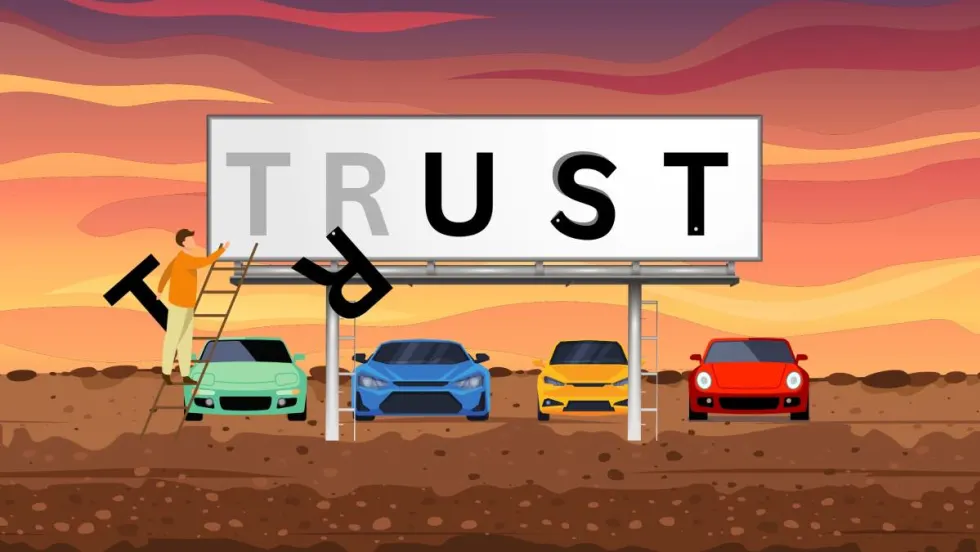
Fleets Want Trust Restored with Suppliers
During this period of ongoing supply constraints, the trust that fleet managers had with OEMs, upfitters, and dealers has been strained. Fleet managers say they have had too many experiences over the past three years coping with erroneous information, adjusting to multiple price increases, and feeling betrayed by inadequate transparency from suppliers.
Read More →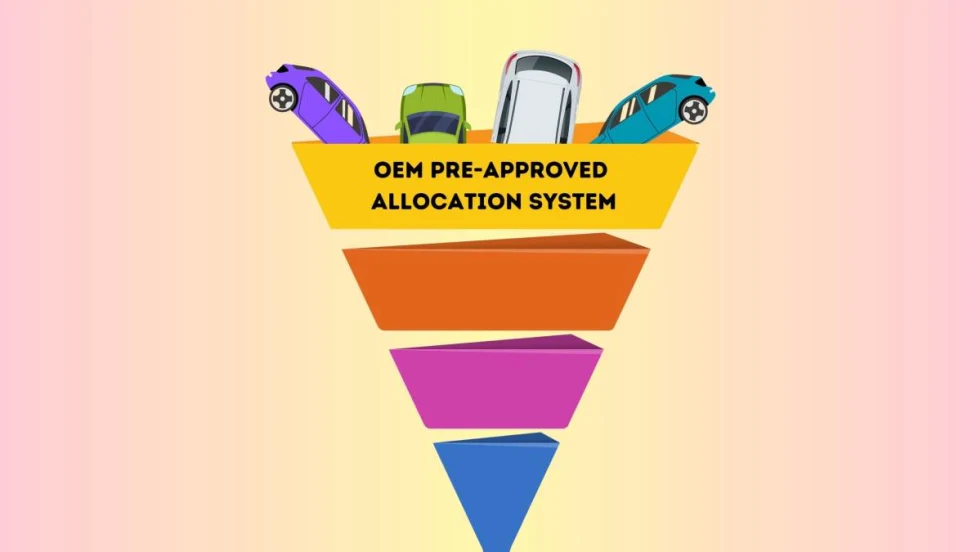
Scheduled Replacement Cycles Are Becoming a Distant Memory
The ongoing difficulty in sourcing replacement vehicles is forcing companies to extend the service lives of vehicles that are unable to be replaced, which, inevitably, increases unscheduled maintenance expenses.
Read More →
Fleet Simplification is the Antidote to Asset Variability
Fleet simplification identifies asset functions to uncover commonality among the equipment and assets. Simplification increases operational efficiency as end-users become accustomed to the controls, displays, and operation of less diverse units.
Read More →
The Dangers of Static Fleet Policies
A fleet policy is a living document, flexible enough to adapt to evolving business priorities, developing industry trends, and changing industry best practices and standards.
Read More →
Short-Term vs. Long-Term Cost Reductions
Corporate procurement staff are often driven by short-term, immediate cost reductions. However, a longer perspective to soft cost savings is critical because fixating on short-term results will hurt a company in the long run.
Read More →
Uptick in Unscheduled Maintenance Increasing Vehicle Downtime
Fleet data analysis can identify recurring downtime issues. It’s important to determine the root causes of downtime so procedures can be developed to minimize such problems.
Read More →
Eliminate Needless Curb Weight to Maximize ICE & EV Efficiencies
Vehicle weight relates directly to fuel economy. In today’s era of electrification, there is also a direct correlation between vehicle weight and battery range.
Read More →
Tech Dependence Risks Dumbing Down Fleet Manager Expertise
The line between creative thinking and problem solving and doing what the data indicates is thin. To lead in fleet management, you need to balance understanding the fundamentals and embracing what smart technology offers.
Read More →
Leverage the Synergy of Safe Driving to Achieve Sustainability and Cost Goals
Safe driving, emission reductions, and cost containment can all be achieved at the same time.
Read More →
The Playbook for Fleet Manager Success
There are many paths to success — most of them involve being flexible, open-minded, and willing to learn.
Read More →