




The Dangers of Extending Replacement Cycles
Vehicle replacement policy is one of the most critical aspects of fleet management. Nearly all fleet-related expenses, both fixed and operating, are influenced by when a vehicle is replaced. In a recessionary economy, senior management demands expense reductions and there is pressure to defer vehicle replacements. However, such a policy change could actually prove to be counterproductive to the intended goal.

By Mike Antich
In a recessionary economy, senior management demands expense reductions and limits capital expenditures. Since fleet operations are usually among the top 10 contributors to corporate capital expenditures, there is pressure to defer vehicle replacements. However, there are dangers to arbitrarily extending fleet vehicle replacement parameters. These policy changes could actually prove to be counterproductive to the intended goal.
Vehicle replacement policy is one of the most critical aspects of fleet management. Nearly all fleet-related expenses, both fixed and operating, are influenced by when a vehicle is replaced. The best fleet replacement cycle is when vehicles are replaced at a point in time when the combination of holding and operating costs per mile are at their lowest. It is important to keep in mind that we're not talking about absolute costs, but the ratio of cost to use as expressed in cost per mile. Historically, for most fleet cars this has been either around 65,000 miles or after 36 months in service. The average fleet replacement policy for light-duty trucks ranges from approximately 48-51 months and 75,000-100,000 miles.
Cyclicality of Operating Expenses
Over the life of a vehicle, operating expenses, if graphed out, have the appearance of an upward-slanted sine wave. For the first 35,000-45,000 miles, operating costs are generally limited to preventive maintenance, such as oil changes, wheel alignments, tire rotation, etc. Operating expenses spike upward when wear items, such as tires and brakes, need to be replaced. These operating expense events are predictable and usually occur between 30,000-45,000 miles. Upon replacing these wear items, operating costs decline, but not back to the previous level. This upward "ratchet" effect continues throughout the life of a vehicle. Operating expenses remain at this new level until the second round of tires and brakes are needed, which occurs in the 60,000-80,000 mile range. Of course, actual maintenance and repair expenses are not quite so cooperative and sometimes fall outside these predictable increments as tires go flat, hoses breach, belts fray, or windshields need replacement as a result of flying road debris. The key point is that maintenance expenses are cyclical. By extending replacement beyond 65,000 miles runs the risk of incurring additional expenses such as a new set of tires and brake replacements.
Even when a vehicle strictly adheres to the fleet PM schedule, the normal wear and tear on the drivetrain and engine causes fuel economy to degrade below the level when the vehicle was newer. As vehicles accumulate mileage, drivetrain efficiency declines, affecting gas mileage. This was especially relevant when gasoline was selling for more than $4 per gallon. In addition, the potential of increased overall fleet fuel efficiency with higher-mpg models is not possible if replacement is postponed.
Triggering Additional Hard and Soft Costs
One consequence to extending replacement parameters is the impact on OEM incentive dollars, especially if they are tied to tiered volume purchasing. Extending replacement parameters could decrease purchase volume to a lower tiered incentive rate.
By extending replacement parameters, you reduce average resale value. Although there is less of a stigma to purchase used vehicles with 80,000-plus miles on the odometer, retail buyers pay more for a used-vehicle with 65,000 miles than they will for a vehicle with 85,000 miles. Plus, most likely, the vehicle will be another model-year older, further decreasing resale value. Another remarketing consequence is that employees will be less likely to purchase out-of-service company vehicles with higher mileage and deteriorated interior and exterior conditions.
Employee safety risks increase due to vehicle breakdowns and parts failures when operating higher-mileage vehicles. There is also the higher probability of an expensive catastrophic failure, which could put the driver in a dangerous highway situation.
An extended replacement cycle also incurs soft costs. The older the vehicle, the greater the probability its overall condition will deteriorate. The potential increases for diminished driver productivity as the probability of downtime escalates with more unscheduled maintenance requirements. With the average fleet car driven more than 2,000 miles per month, there will be wear and tear to the driver's seat, carpeting, and cabin odor, affecting driver comfort. At 65,000-plus miles, a vehicle has experienced its fair share of dings, dents, scratches, and other minor damage. This cosmetic damage is not cost-efficient to repair and reflects poorly upon the company's image. Also, driver morale sags if they know they must drive their vehicles another year or more.
A Counterproductive Strategy
In the final analysis, fleet replacement parameters vary by fleet application. Proper expense tracking, operating expense management, knowledge of new vehicle/equipment availability, and the used-vehicle market is necessary to determine proper cycling for company vehicles. Simply postponing vehicle replacement does not reduce net costs and most likely increases them, while adversely affecting driver productivity.
Let me know what you think.
mike.antich@bobit.com
More Blog Posts

Fleets Want Trust Restored with Suppliers
During this period of ongoing supply constraints, the trust that fleet managers had with OEMs, upfitters, and dealers has been strained. Fleet managers say they have had too many experiences over the past three years coping with erroneous information, adjusting to multiple price increases, and feeling betrayed by inadequate transparency from suppliers.
Read More →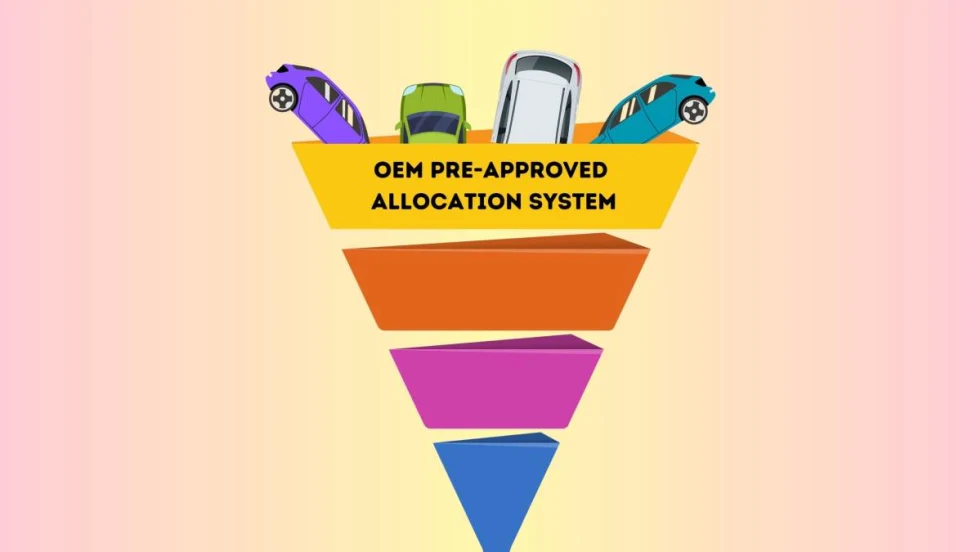
Scheduled Replacement Cycles Are Becoming a Distant Memory
The ongoing difficulty in sourcing replacement vehicles is forcing companies to extend the service lives of vehicles that are unable to be replaced, which, inevitably, increases unscheduled maintenance expenses.
Read More →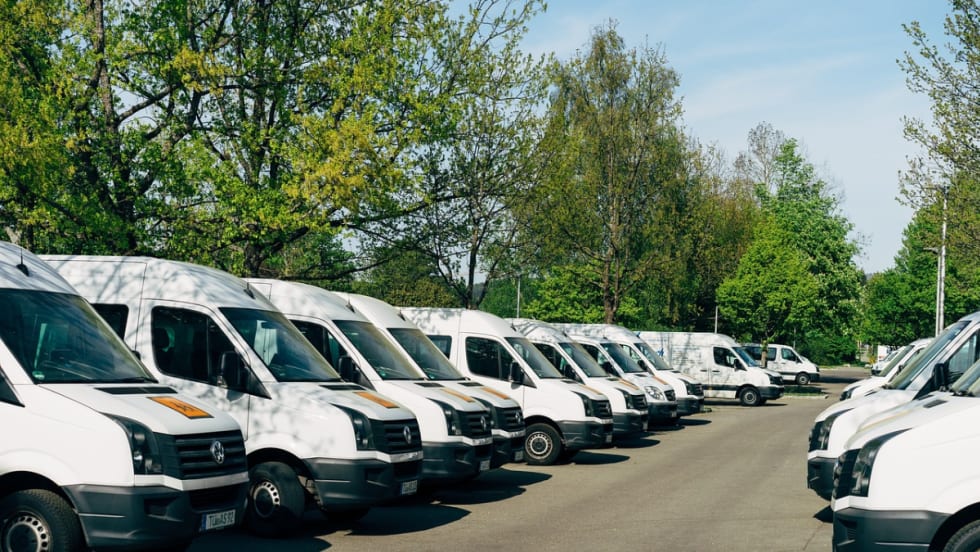
Fleet Simplification is the Antidote to Asset Variability
Fleet simplification identifies asset functions to uncover commonality among the equipment and assets. Simplification increases operational efficiency as end-users become accustomed to the controls, displays, and operation of less diverse units.
Read More →
The Dangers of Static Fleet Policies
A fleet policy is a living document, flexible enough to adapt to evolving business priorities, developing industry trends, and changing industry best practices and standards.
Read More →
Short-Term vs. Long-Term Cost Reductions
Corporate procurement staff are often driven by short-term, immediate cost reductions. However, a longer perspective to soft cost savings is critical because fixating on short-term results will hurt a company in the long run.
Read More →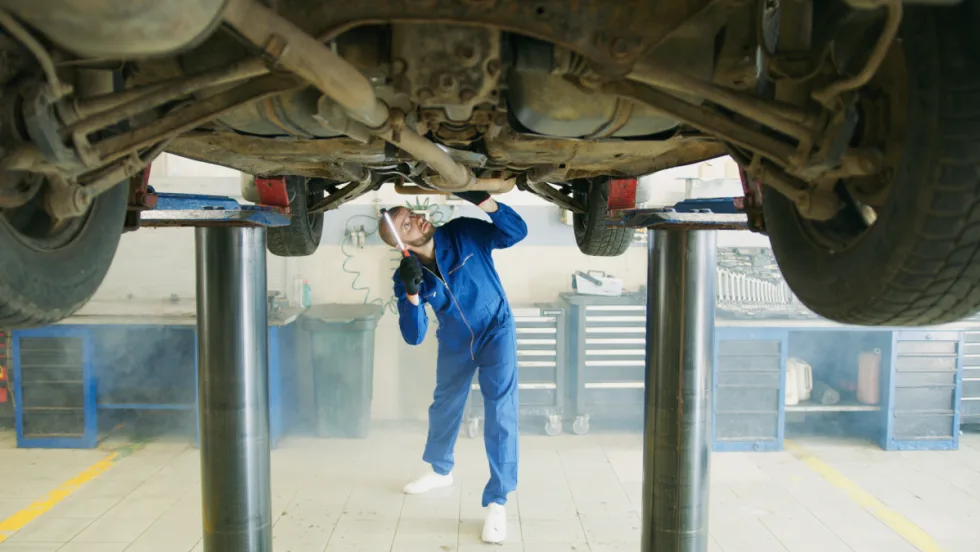
Uptick in Unscheduled Maintenance Increasing Vehicle Downtime
Fleet data analysis can identify recurring downtime issues. It’s important to determine the root causes of downtime so procedures can be developed to minimize such problems.
Read More →
Eliminate Needless Curb Weight to Maximize ICE & EV Efficiencies
Vehicle weight relates directly to fuel economy. In today’s era of electrification, there is also a direct correlation between vehicle weight and battery range.
Read More →
Tech Dependence Risks Dumbing Down Fleet Manager Expertise
The line between creative thinking and problem solving and doing what the data indicates is thin. To lead in fleet management, you need to balance understanding the fundamentals and embracing what smart technology offers.
Read More →
Leverage the Synergy of Safe Driving to Achieve Sustainability and Cost Goals
Safe driving, emission reductions, and cost containment can all be achieved at the same time.
Read More →
The Playbook for Fleet Manager Success
There are many paths to success — most of them involve being flexible, open-minded, and willing to learn.
Read More →