




Tech Advances Will Put Downward Pressure on Overall Fleet Size
In the long run, technology will exert inexorable downward pressure on overall fleet size and will eliminate altogether the need for some fleet vehicles. Despite this, fleet management will survive, albeit in a smaller capacity, and, most likely, in a completely different form than what we know today.

I recently attended the technology portion of the 2017 South by Southwest Conference (abbreviated as SXSW) in Austin, Texas, as part of the Element Fleet Management customer advisory board (CAB). The idea for the selection of SXSW as venue for the CAB meeting – in my mind – was brilliant. Each CAB member was given the freedom to attend whichever sessions they wanted (and there were a multitude from which to select). The idea was to reconvene as a group and discuss which sessions we attended, what we found interesting, and how might some of these technology concepts be incorporated into fleet management.
As a first-time SXSW attendee, the conference content was mind-blowing. I focused my attention to the sessions dealing with artificial intelligence, machine learning, autonomous vehicles, virtual reality, and augmented reality. With most sessions, attendees queued, sometimes for an hour in advance, to make sure they had a seat.
Most of the presenters in my sessions were not what might be perceived as nerdy software geeks, but were sober business people with high levels of responsibility within their corporations. For instance, I attended a panel discussion on the use of human holograms in real-world business applications. This may sound sci-fi, but the panel was comprised of a VP of virtual reality from Sony Pictures (yes, such as job title exists), a virtual reality marketing manager from L’Oréal, and an editor from Time Warner. Sony and L’Oréal discussed monetizing the use of holograms.
The key takeaway from Sony Pictures is that this technology will be here sooner than we think. The technological breakthrough will be what they called untethered virtual reality that will allow device-free, location-based holograms in retail applications (demonstrating the use of cosmetics, in the case of L’Oréal) and in entertainment where Sony envisions participants actually becoming part of the game or movie.
My point is if we become fixated only on what is happening in the fleet world, it makes our industry vulnerable to being blind-sided by very disruptive technologies being developed elsewhere.
Another key takeaway was gleaned from the artificial intelligence sessions, which illustrated how this disruptive technology will eliminate many job categories and how it will revolutionize the transformation of most businesses into digital entities requiring a fraction of the human workforce. One prediction is that 40% of today’s jobs will be eliminated by artificial intelligence by 2040. Most of these jobs will be administrative, but, I’m sure many will be jobs that today are assigned company vehicles.
There was a fascinating session on the use of wearable computers embedded in clothing that was presented by a panel of fashion industry representatives, along with university academics specializing in this field. Likewise, I know from other open events I’ve attended several OEMs are seriously studying wearables as a way to automate/ personalize climate control in a vehicle based on skin temperature or micro-adjust seats based on muscle tension biometric data.
Disintermediation of Fleet Vehicles
As a student of the industry, I too see signs of this change compiling a list of the Top 300 U.S. fleets. For years, we have been witnessing many fleets shrink in size. My prediction is this will continue and technological advancements will be the catalyst bringing about this change. I call it the disintermediation of fleet.
Disintermediation is a process that provides direct access to a product, service, or information without requiring a vehicle to travel from point A to point B. One example of forthcoming disintermediation of vehicles is remote visualization technologies. Today, it is manifested through Facetime or Skype technology, but what will be the capability of this technology two or three product generations later?
I refer to these future manifestations as “Visualization-for-Everyone/Anytime” technology, which I foresee becoming more prevalent, easier to use, and a popular communication medium for next generation of digitally immersed employees and customers. I believe there will be a growing personal preference to communicate remotely versus driving in a vehicle to a specific location. In the future, remote visualization will be viewed as a cost-effective and “smart” way to conduct business. While driving someplace to have the same one-hour meeting will increasingly be viewed as an “old school” business practice that is inherently inefficient.
Another example of technology disintermediating vehicles will be the increasing sophistication of remote diagnostics of office/medical/industrial equipment and the use of software downloads to correct off-site equipment issues. The next two or three generations of remote diagnostics will minimize the need for technicians to drive to sites to troubleshoot problems. It will provide increased ability to download corrective software versus requiring a technician to make an in-person visit to a client.
The takeaway from this editorial is that technology will exert inexorable downward pressure on overall fleet size and will eliminate altogether the need for some fleet vehicles. Despite this, fleet management will survive, albeit in a smaller capacity, and, most likely, in a completely different form than what we know today.
Let me know what you think.
Mike.antich@bobit.com
P.S. At the 2017 Global Fleet Conference in Miami June 6-8, 2017, Tata Consultancy Services in Silicon Valley will discuss in detail "The Impact of Disruptive Technologies on Global Fleet Management" that will significantly alter how businesses operate, forcing companies to fundamentally change the way they approach their businesses.
More information on the Global Fleet Conference can be found at www.globalfleetconference.com
More Blog Posts
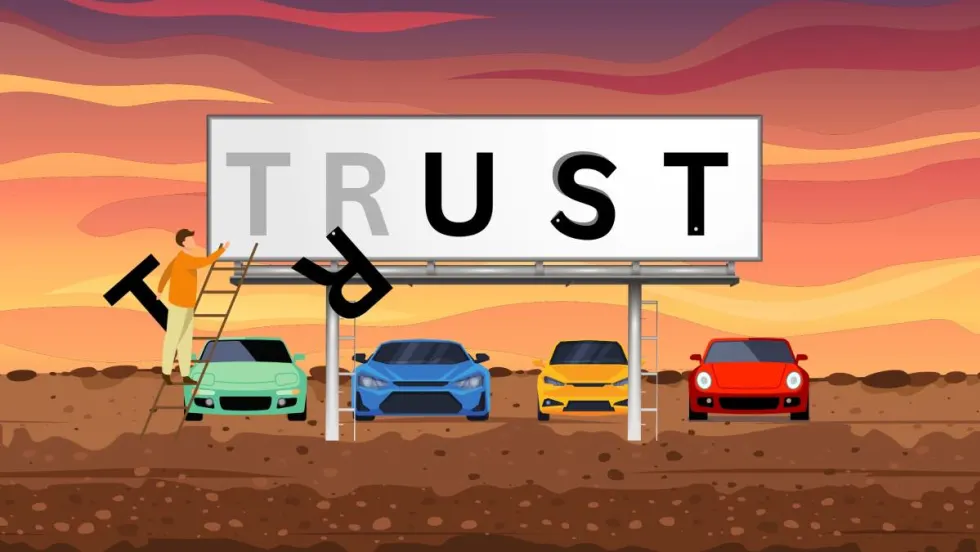
Fleets Want Trust Restored with Suppliers
During this period of ongoing supply constraints, the trust that fleet managers had with OEMs, upfitters, and dealers has been strained. Fleet managers say they have had too many experiences over the past three years coping with erroneous information, adjusting to multiple price increases, and feeling betrayed by inadequate transparency from suppliers.
Read More →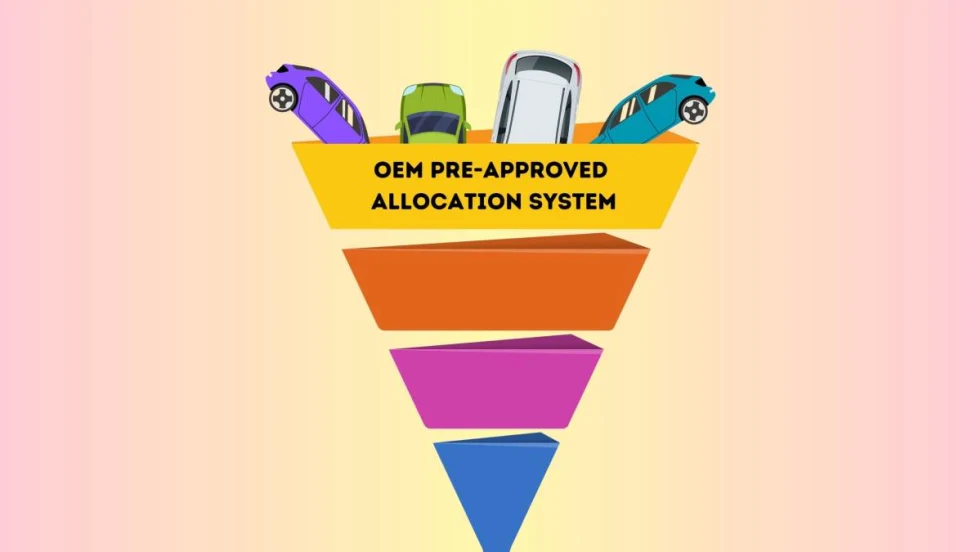
Scheduled Replacement Cycles Are Becoming a Distant Memory
The ongoing difficulty in sourcing replacement vehicles is forcing companies to extend the service lives of vehicles that are unable to be replaced, which, inevitably, increases unscheduled maintenance expenses.
Read More →
Fleet Simplification is the Antidote to Asset Variability
Fleet simplification identifies asset functions to uncover commonality among the equipment and assets. Simplification increases operational efficiency as end-users become accustomed to the controls, displays, and operation of less diverse units.
Read More →
The Dangers of Static Fleet Policies
A fleet policy is a living document, flexible enough to adapt to evolving business priorities, developing industry trends, and changing industry best practices and standards.
Read More →
Short-Term vs. Long-Term Cost Reductions
Corporate procurement staff are often driven by short-term, immediate cost reductions. However, a longer perspective to soft cost savings is critical because fixating on short-term results will hurt a company in the long run.
Read More →
Uptick in Unscheduled Maintenance Increasing Vehicle Downtime
Fleet data analysis can identify recurring downtime issues. It’s important to determine the root causes of downtime so procedures can be developed to minimize such problems.
Read More →
Eliminate Needless Curb Weight to Maximize ICE & EV Efficiencies
Vehicle weight relates directly to fuel economy. In today’s era of electrification, there is also a direct correlation between vehicle weight and battery range.
Read More →
Tech Dependence Risks Dumbing Down Fleet Manager Expertise
The line between creative thinking and problem solving and doing what the data indicates is thin. To lead in fleet management, you need to balance understanding the fundamentals and embracing what smart technology offers.
Read More →
Leverage the Synergy of Safe Driving to Achieve Sustainability and Cost Goals
Safe driving, emission reductions, and cost containment can all be achieved at the same time.
Read More →
The Playbook for Fleet Manager Success
There are many paths to success — most of them involve being flexible, open-minded, and willing to learn.
Read More →