




Safety Programs with Monetary Incentives May Encourage Under-Reporting of Incidents
Do fleet safety incentives “dis-incentivize” the reporting of safety incidents, especially if employees are monetarily rewarded for achieving a low rate of incidents? Under the umbrella of these monetary-based safety incentive programs is not just cash or bonuses, but also award merchandise, award trips, paid days off, and upgraded vehicles or availability of driver amenity options. The question is whether they are potentially counter-productive to the intent of fleet safety programs?

Do fleet safety incentive programs “dis-incentivize” the reporting of safety incidents, especially if employees are monetarily rewarded for achieving a low rate of incidents? Often, under the umbrella of these monetary-based safety incentive programs is not just cash or bonuses, but also award merchandise, award trips, paid days off, and upgraded vehicles or availability of driver amenity options.
At its most fundamental level is the question of whether these monetary incentive programs are potentially counter-productive to the intent of fleet safety programs? Some argue that if the monetary rewards provided are relatively large, drivers may not report incidents to avoid jeopardizing their rewards. Another example is that some fleet safety incentive programs focus on group performance, whereby all drivers on a team get a reward based on the group’s total incidents over a specified period of time. Critics ask if the group reward is monetary, could there be peer pressure from other team members to under-report safety incidents?
Other critics argue why should a company provide monetary awards to drivers for something they should be doing in the first place. In addition, once a monetary award is given, it is hard to stop the practice. It’s not uncommon to hear: “You gave me a bonus once, why not again?” The other risk is that a monetary safety program can create a “Pavlov’s dog conditioning,” whereby drivers elevate their safety consciousness only during award periods when they are eligible to receive a monetary award.
The counter-argument is that senior managers get supplemental bonuses for doing their jobs, why not employee drivers? This is a fair retort, but, in my mind, this validates the argument against monetary-based incentives as there are numerous instances of how senior managers “juggle the numbers” to ensure they attain the threshold to trigger a bonus payment.
Tangible Versus Non-Tangible Recognition
Monetary-based fleet safety incentive programs are well-intentioned efforts by companies to encourage drivers to maintain a high level of safe driving practices. However, there may be better ways to encourage and recognize safe driving practices. Often, the most effective recognition programs do not involve tangible recognition, such as monetary rewards. There are other non-tangible rewards that can be offered, which may be more effective in motivating employees to be safer drivers.
There are a variety of non-tangible recognition programs that can include recognition in a corporate meeting, a written commendation, a visit or dinner with senior management, patches or badges if the drivers wear uniforms, a reserved parking space, or recognition using social media. In talking with fleet managers, they tell me that most drivers are best motivated by recognition from their peers and senior management. Plus, fleet managers add that this recognition is most effective when it is given more frequently versus an annual recognition program.
Keep in mind what motivates an employee depends on the employee and you should attempt to tailor a fleet safety recognition program to meet the needs of a diverse driving population. The effectiveness of a safety recognition program is influenced by personality types. For example, employees with introverted personalities may not want public recognition and would prefer to be recognized privately.
There is also a generational difference in recognition preferences. Some companies are using Facebook-style postings to recognize drivers and allow their peers to make congratulatory comments. By matching the medium to a generational preference, it provides drivers with instant recognition and the feedback mechanism to provide instant gratification.
Lastly, to increase the effectiveness of a safety recognition program, it is important to reach out to drivers to identify what they consider important. It is also important to keep the program fair by taking into account different driving environments by normalizing scoring of drivers in urban territories vis-a-vis rural areas.
Behavior-Based Safety Recognition Programs
The current trend is toward behavior-based safety recognition programs, which provide rewards for demonstrating safe driving behaviors using a driver scorecard. Behavior-based programs take the subjectivity out of driver recognition by using objective and tangible measurements that use multiple data points.
The end result is recognizing drivers based on specific results and behaviors with a simple overall score. One word of caution is not to make the scoring too complex. Also, the scoring criteria should be customized to your organization and needs. By tracking driving trends over time, you can recognize those drivers who have improved.
Using telematics data, a driver scorecard can give a more comprehensive view of an employee’s driving habits, such as seatbelt use, harsh braking, speeding, rapid cornering, etc. If you are using a driver scorecard as the basis for driver safety recognition, it is important to make it granular so drivers know how their score was derived and how they can improve it. Consider establishing an online FAQ about the program to assist drivers in understanding the criteria employed. By keeping a safety recognition program simple, you will increase driver involvement.
Let me know what you think.
More Blog Posts

Fleets Want Trust Restored with Suppliers
During this period of ongoing supply constraints, the trust that fleet managers had with OEMs, upfitters, and dealers has been strained. Fleet managers say they have had too many experiences over the past three years coping with erroneous information, adjusting to multiple price increases, and feeling betrayed by inadequate transparency from suppliers.
Read More →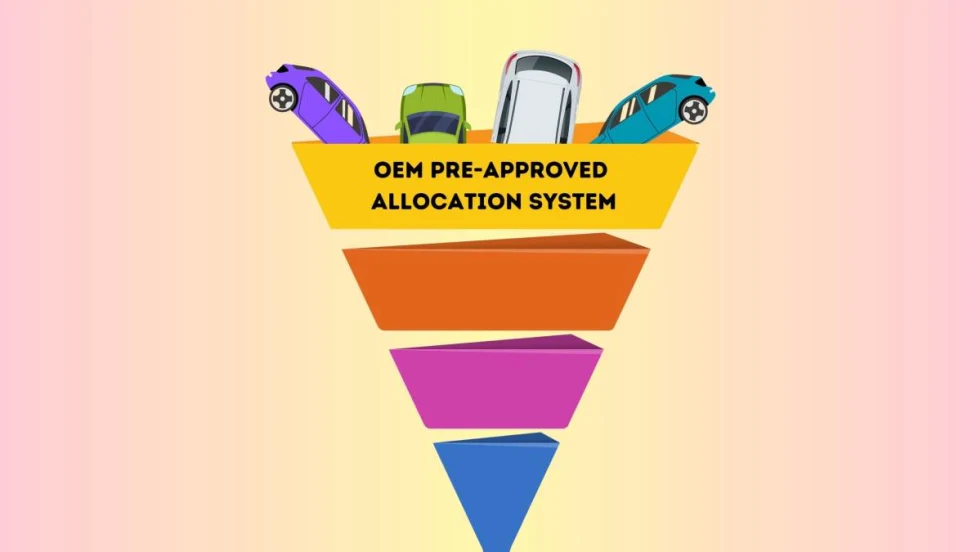
Scheduled Replacement Cycles Are Becoming a Distant Memory
The ongoing difficulty in sourcing replacement vehicles is forcing companies to extend the service lives of vehicles that are unable to be replaced, which, inevitably, increases unscheduled maintenance expenses.
Read More →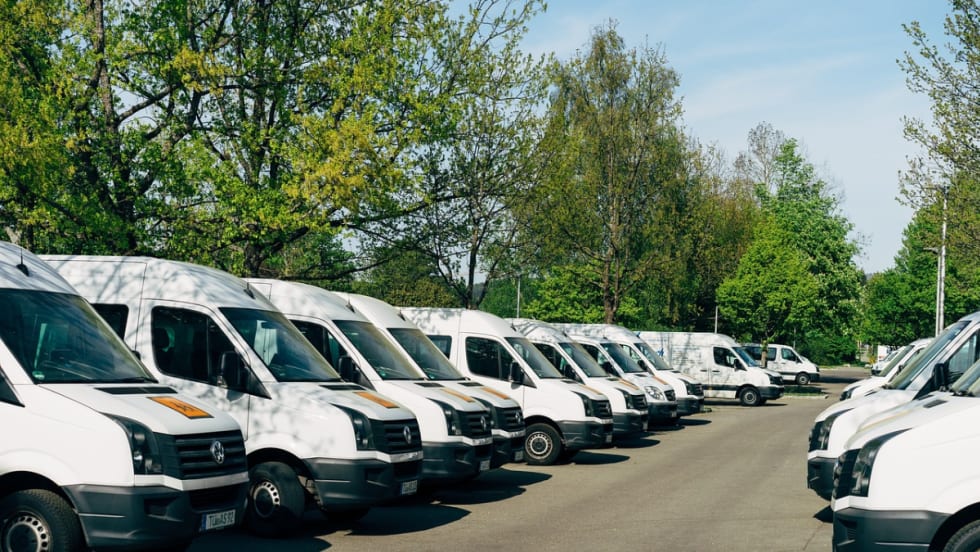
Fleet Simplification is the Antidote to Asset Variability
Fleet simplification identifies asset functions to uncover commonality among the equipment and assets. Simplification increases operational efficiency as end-users become accustomed to the controls, displays, and operation of less diverse units.
Read More →
The Dangers of Static Fleet Policies
A fleet policy is a living document, flexible enough to adapt to evolving business priorities, developing industry trends, and changing industry best practices and standards.
Read More →
Short-Term vs. Long-Term Cost Reductions
Corporate procurement staff are often driven by short-term, immediate cost reductions. However, a longer perspective to soft cost savings is critical because fixating on short-term results will hurt a company in the long run.
Read More →
Uptick in Unscheduled Maintenance Increasing Vehicle Downtime
Fleet data analysis can identify recurring downtime issues. It’s important to determine the root causes of downtime so procedures can be developed to minimize such problems.
Read More →
Eliminate Needless Curb Weight to Maximize ICE & EV Efficiencies
Vehicle weight relates directly to fuel economy. In today’s era of electrification, there is also a direct correlation between vehicle weight and battery range.
Read More →
Tech Dependence Risks Dumbing Down Fleet Manager Expertise
The line between creative thinking and problem solving and doing what the data indicates is thin. To lead in fleet management, you need to balance understanding the fundamentals and embracing what smart technology offers.
Read More →
Leverage the Synergy of Safe Driving to Achieve Sustainability and Cost Goals
Safe driving, emission reductions, and cost containment can all be achieved at the same time.
Read More →
The Playbook for Fleet Manager Success
There are many paths to success — most of them involve being flexible, open-minded, and willing to learn.
Read More →