





Related: Fleet Manager Leadership Defines Fleet Operations Culture
Risk of PM Neglect Increases with Longer Oil Drain Intervals
Extending the oil drain interval to higher miles puts it out-of-synch with courtesy checks for tire wear and brake pad or rotor inspections. By extending oil drain intervals, there will be less frequent inspection of these wear items than what has occurred in the past.
March 3, 2020
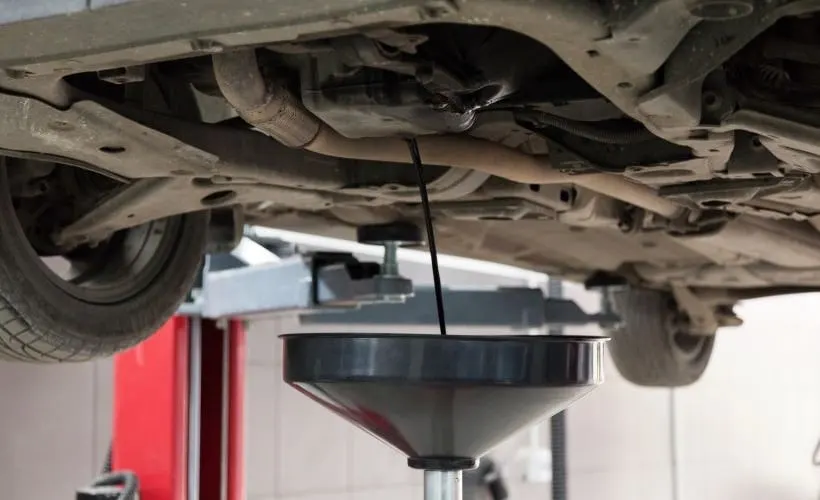
Photo: Gettyimages.com/ artisteer
4 min to read
The proliferation of smaller displacement engines, which tend to operate at higher temperatures and oil pressure, has caused OEMs to switch to longer-lasting synthetic motor oils that offer 50% better engine protection, which maximizes engine life.
More than 28% of the new vehicles sold are powered by turbocharged engines to supplement the lower horsepower generated by smaller engines, which requires the use of a synthetic oil because of its ability to maintain viscosity longer at higher temperatures. Since synthetic oils have robust additives and fewer impurities, they last longer than conventional motor oils or synthetic blends by not breaking down as quickly and retain viscosity longer. These properties allow OEMs to extend oil drain intervals, offsetting some of the higher transaction costs for synthetic oil, which costs about 60% more than traditional mineral-based motor oils.
While longer drain intervals have partially offset the higher preventive maintenance (PM) costs, there is concern that drivers may become complacent and not be as diligent in regularly checking motor oil levels. Also, during a PM other wear items are checked, such as tires, brakes, and fluid levels. Typically, the standard oil change includes an equipment courtesy check.
Extending the oil drain interval to higher miles puts it out-of-synch with courtesy checks for tire wear and brake pad or rotor inspections. By extending oil drain intervals, there will be less frequent inspection of these wear items than what has occurred in the past. There is a risk of missing incipient maintenance issues due to the extension of oil drain intervals, especially if a fleet is not diligent with PM schedules.
With extended oil drain intervals, its critical to reevaluate preventive maintenance schedules to avoid skipping other PMs performed on the same cycle. With oil drain intervals as much as 10,000 miles for some light-duty models, if you are not vigilant, this could increase the risk of missing early signs of abnormal wear that could be a precursor to more expensive service issues.
Driver Misconceptions about PMs
As vehicles are kept in service for longer periods, operating at higher miles, it has impacted PMs. Due to longer vehicle lifecycles, there is a need for more enhanced PM schedules. Companies need rigorous maintenance systems that ensure preventive maintenance happens on time with extended oil drain intervals. It is important to have vehicles PM’ed on a schedule.
Extended oil drain intervals have the potential to lead to increased maintenance expenses or major repairs if the driver is not in tune with their vehicle. Less frequent courtesy checks done due to fewer oil changes could result in brakes wearing metal to metal, low oil levels, low brake fluid, and incorrect tire pressure causing premature tire wear by not addressing the TPMS light on the dash.
A common misconception by drivers is that PM only involves oil changes. But, as fleet managers, we know this isn’t the only PM. Nowadays, in an era of extended oil drain intervals, tire rotations are more frequent than oil changes. This has placed out of kilter PMs that occurred during the more frequent oil changes of yesteryear.
In the past, when these other services were performed during oil changes, it is now necessary for these PMs to be done at the same cycle between oil drains. It’s important for drivers to remember, especially those working in the commercial and vocational fleet markets, that tires need to be rotated more often than the motor oil is changed. As fleet manager, you need to communicate the policies to ensure tire rotations occur on schedule.
While on the topic of tires, fleet drivers should check tire inflation at least monthly or before a long trip. Drivers should be trained not to ignore TPMS lights when they are illuminated on the dash.
Tires should be inflated to the vehicle manufacturer’s recommendations printed on the vehicle door placard or in the owner’s manual, not the maximum limit stamped on a tire sidewall. Proper maintenance of vehicles and tires translates into increased safety, optimum driving performance, and significant cost savings, including better fuel mileage and longer tread life.
Avoid PM Variability
One ongoing industry trend is more stringent enforcement of manufacturer-recommended PM services required for warranty coverage eligibility. As a consequence, fleets must adhere to the OEM's PM recommendations and diligently follow these guidelines.
Specifically, OEMs want additional documentation to support warranty claims to ensure a unit was maintained properly before the failure occurred. This increasingly stringent warranty enforcement underscores the importance of PM compliance and documentation of services performed. Some PM schedules are getting disrupted in an era of extended oil drain intervals.
Fleets that are not professionally managed shortsightedly view extended drain intervals as a way to reduce overall PM costs by decreasing the frequency of PM services. Professional fleet managers realize the fallacy of this logic, but this thinking does occur at some smaller fleets. The bottom line is that fleet managers need to be diligent in tracking and documenting PM work to ensure there is no PM variability to manufacturer recommended guidelines caused by extended oil drain intervals.
Let me know what you think.
Subscribe to Our Newsletter
More Blog Posts

Fleets Want Trust Restored with Suppliers
During this period of ongoing supply constraints, the trust that fleet managers had with OEMs, upfitters, and dealers has been strained. Fleet managers say they have had too many experiences over the past three years coping with erroneous information, adjusting to multiple price increases, and feeling betrayed by inadequate transparency from suppliers.
Read More →
Scheduled Replacement Cycles Are Becoming a Distant Memory
The ongoing difficulty in sourcing replacement vehicles is forcing companies to extend the service lives of vehicles that are unable to be replaced, which, inevitably, increases unscheduled maintenance expenses.
Read More →
Fleet Simplification is the Antidote to Asset Variability
Fleet simplification identifies asset functions to uncover commonality among the equipment and assets. Simplification increases operational efficiency as end-users become accustomed to the controls, displays, and operation of less diverse units.
Read More →
The Dangers of Static Fleet Policies
A fleet policy is a living document, flexible enough to adapt to evolving business priorities, developing industry trends, and changing industry best practices and standards.
Read More →
Short-Term vs. Long-Term Cost Reductions
Corporate procurement staff are often driven by short-term, immediate cost reductions. However, a longer perspective to soft cost savings is critical because fixating on short-term results will hurt a company in the long run.
Read More →
Uptick in Unscheduled Maintenance Increasing Vehicle Downtime
Fleet data analysis can identify recurring downtime issues. It’s important to determine the root causes of downtime so procedures can be developed to minimize such problems.
Read More →
Eliminate Needless Curb Weight to Maximize ICE & EV Efficiencies
Vehicle weight relates directly to fuel economy. In today’s era of electrification, there is also a direct correlation between vehicle weight and battery range.
Read More →
Tech Dependence Risks Dumbing Down Fleet Manager Expertise
The line between creative thinking and problem solving and doing what the data indicates is thin. To lead in fleet management, you need to balance understanding the fundamentals and embracing what smart technology offers.
Read More →
Leverage the Synergy of Safe Driving to Achieve Sustainability and Cost Goals
Safe driving, emission reductions, and cost containment can all be achieved at the same time.
Read More →
The Playbook for Fleet Manager Success
There are many paths to success — most of them involve being flexible, open-minded, and willing to learn.
Read More →