




New Zealand Fleet Market Conditions for CY-2016
Despite economic headwinds dampening demand for its exports into China, auto sales in New Zealand during calendar-year 2015 hit an all-time record for commercial and retail vehicles. Sales continue to be strong in early 2016.

Following a record sales year in 2015, vehicle sales in New Zealand continue to be strong for both the retail and commercial markets during the first two months of 2016. The key factors stimulating this demand are steady growth in the national economy, a strong car rental market driven by a vibrant tourism industry, and an ongoing influx of immigrants into the country who require transportation.
In CY-2015, commercial-vehicle sales were at a record volume of 39,077 units, up 6.6% over the preceding year. Total CY-2015 new-vehicle registrations (combined retail and fleet) were a record 134,041 units, an increase of 5.4%.
The commercial fleet sales trend is continuing into 2016-CY. In February 2016, New Zealand light commercial vehicle (LCV) sales hit another record of 3,121 units sold that month, an increase of 10.6%, The top three selling LCV models were the Ford Ranger, Toyota Hilux, and Mitsubishi Triton.
According to the Motor Industry Association of New Zealand (Inc.), the SUV medium segment, along with the pickup/chassis cab 4x4 segments, had a 13% market share in February 2016, followed by small passenger cars with a 12% market share.
In addition, new-vehicle registrations in New Zealand are supplemented by large numbers of used-vehicle imports, predominantly from Japan. According to the 2016 Manheim Used Vehicle Report, annual used-vehicle sales in New Zealand are estimated to be 110,000 units.
Fleet Market Profile
In comparison to neighboring Australia, the fleet market in New Zealand is relatively small due to a population of only 4.5 million people.
Regardless of size, New Zealand is a mature fleet market with more than 90% of businesses classified as small and medium enterprises. The average fleet size in New Zealand ranges from 20 to 30 vehicles, with vehicles operated on both the North and South islands. The majority of units are domiciled on the more populous North Island.
The key vocational markets (fit for purpose) in New Zealand are construction (trucks and LCVs), forestry industries, and dairy. Other key fleet buyers in New Zealand are multinationals and the government.
Company ownership is prominent in the traditionally conservative New Zealand market; however, leasing is becoming increasingly popular with businesses with an international ownership model.
Current vehicle depreciation trends in New Zealand see the large car segment continuing to contract.
As with Australia, sales in the SUV segment in New Zealand are strong. There is a buying trend to downsize to smaller displacement engines, going from six- to four-cylinders, and a segment shift to more compact SUVs.
Fleet order-to-delivery times for new-vehicle orders range from one to three months, depending on the model.
Macroeconomic Trends
New Zealand is an export-driven economy with exports accounting for about 30% of its gross domestic product (GDP).
Similar to Australia, the economic fortunes of New Zealand are intertwined with China, which is the country’s biggest export market. One economic segment in New Zealand currently being challenged by the economic slowdown in China is the dairy industry. The New Zealand dairy industry is huge, exporting 95% of its product and it accounts for 30% of the total dairy market globally. Dairy product exports to China are more than US$4 billion annually.
The largest segment of the New Zealand daily industry is comprised of a large co-operative called Fonterra, representing approximately 13,000 farmers, which annually acquires a substantial quantity of fleet vehicles. Fonterra is New Zealand’s biggest company — by revenue — and its largest exporter.
Other major New Zealand exports to China are US$1.8 billion annually in wood products and nearly US$900 million in meat products.
Despite economic headwinds from its export markets, the New Zealand GDP is forecast to grow 2.6% due to the ongoing low fuel prices, a steady national employment rate, a surge in international tourism, and an uptick in the construction industry, especially in Christchurch, which is still rebuilding from a devastating 6.3 magnitude earthquake in 2011.
Let me know what you think.
mike.antich@bobit.com
More Blog Posts

Fleets Want Trust Restored with Suppliers
During this period of ongoing supply constraints, the trust that fleet managers had with OEMs, upfitters, and dealers has been strained. Fleet managers say they have had too many experiences over the past three years coping with erroneous information, adjusting to multiple price increases, and feeling betrayed by inadequate transparency from suppliers.
Read More →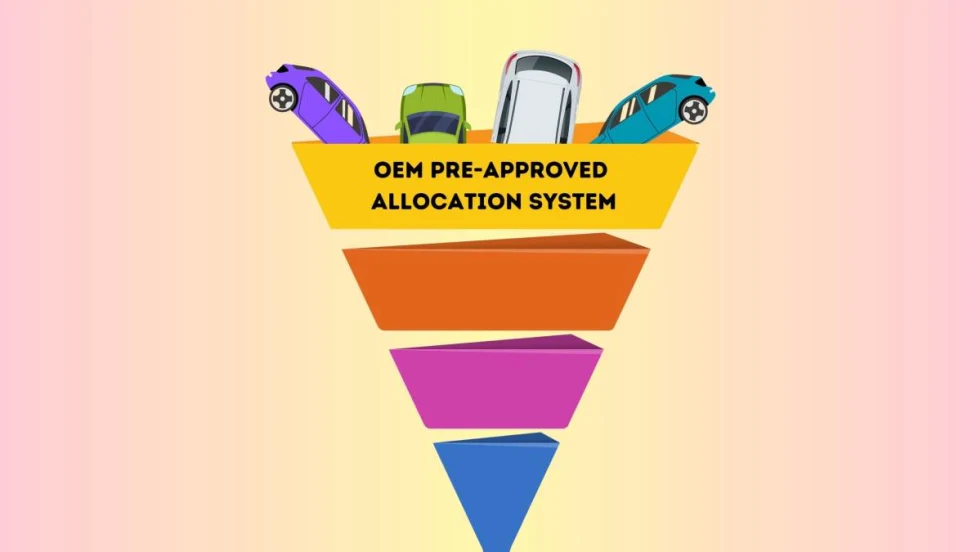
Scheduled Replacement Cycles Are Becoming a Distant Memory
The ongoing difficulty in sourcing replacement vehicles is forcing companies to extend the service lives of vehicles that are unable to be replaced, which, inevitably, increases unscheduled maintenance expenses.
Read More →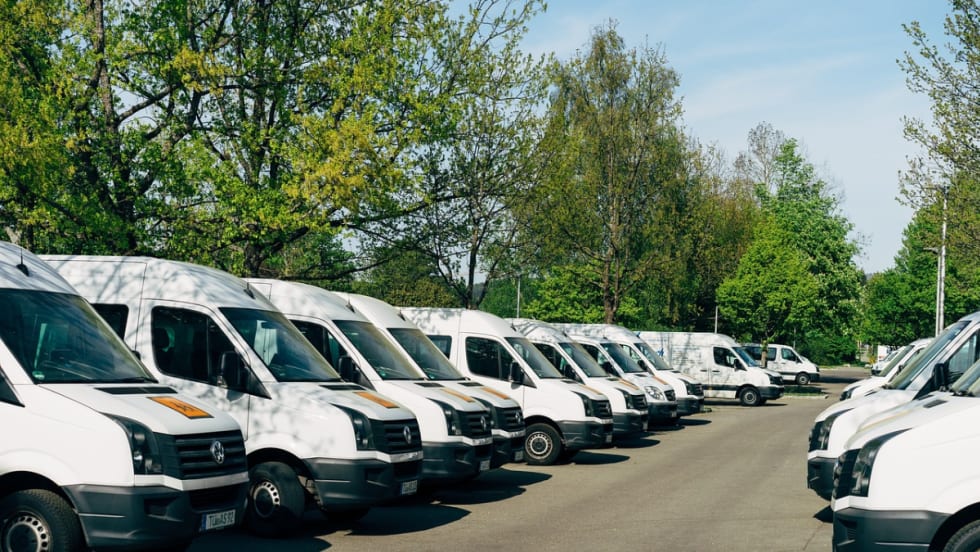
Fleet Simplification is the Antidote to Asset Variability
Fleet simplification identifies asset functions to uncover commonality among the equipment and assets. Simplification increases operational efficiency as end-users become accustomed to the controls, displays, and operation of less diverse units.
Read More →
The Dangers of Static Fleet Policies
A fleet policy is a living document, flexible enough to adapt to evolving business priorities, developing industry trends, and changing industry best practices and standards.
Read More →
Short-Term vs. Long-Term Cost Reductions
Corporate procurement staff are often driven by short-term, immediate cost reductions. However, a longer perspective to soft cost savings is critical because fixating on short-term results will hurt a company in the long run.
Read More →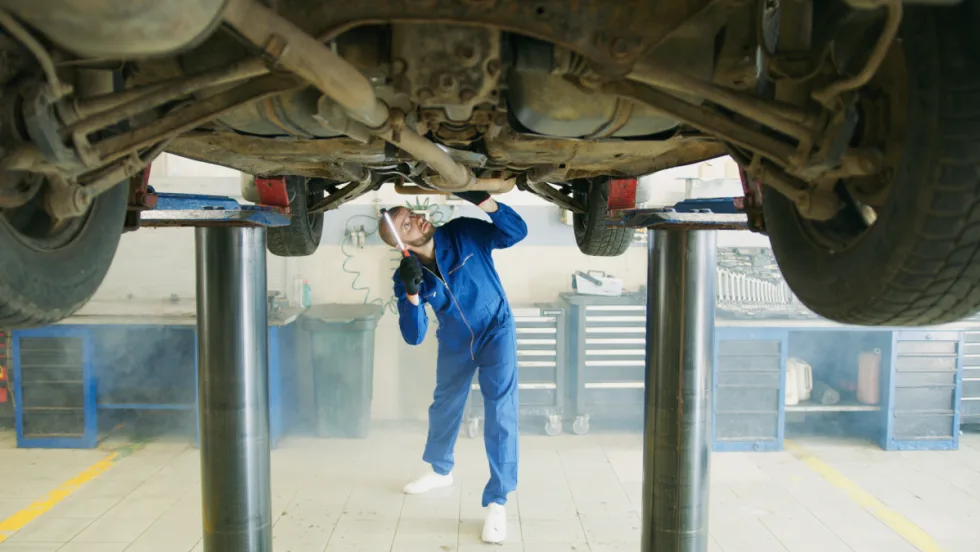
Uptick in Unscheduled Maintenance Increasing Vehicle Downtime
Fleet data analysis can identify recurring downtime issues. It’s important to determine the root causes of downtime so procedures can be developed to minimize such problems.
Read More →
Eliminate Needless Curb Weight to Maximize ICE & EV Efficiencies
Vehicle weight relates directly to fuel economy. In today’s era of electrification, there is also a direct correlation between vehicle weight and battery range.
Read More →
Tech Dependence Risks Dumbing Down Fleet Manager Expertise
The line between creative thinking and problem solving and doing what the data indicates is thin. To lead in fleet management, you need to balance understanding the fundamentals and embracing what smart technology offers.
Read More →
Leverage the Synergy of Safe Driving to Achieve Sustainability and Cost Goals
Safe driving, emission reductions, and cost containment can all be achieved at the same time.
Read More →
The Playbook for Fleet Manager Success
There are many paths to success — most of them involve being flexible, open-minded, and willing to learn.
Read More →