





Related: Blog: Fleet Managers Must Partner with Field Operations to Meet P&L Objectives
Negative Consequences to Extended Vehicle Cycling
Extended replacement cycles for short-term capital expenditure savings often have the unintended consequence of resulting in greater long-term expenses.
October 26, 2020
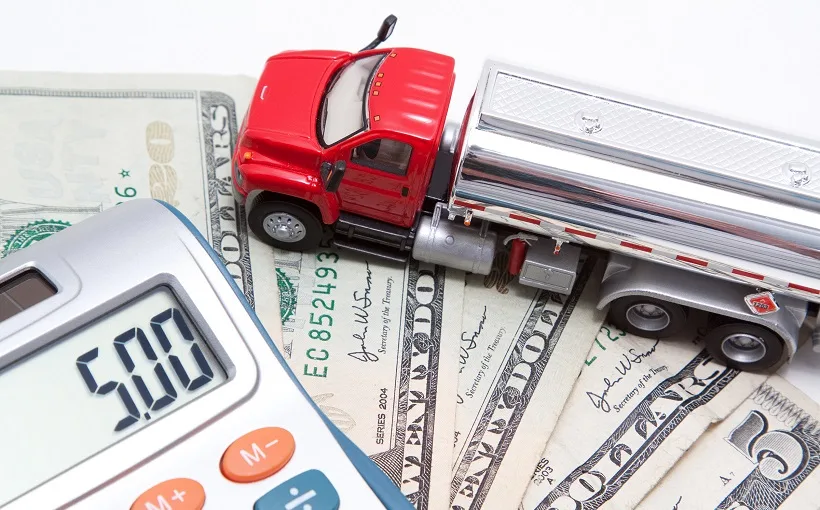
Extended replacement cycles for short-term capital expenditure savings often have the unintended consequence of resulting in greater long-term expenses.
Photo credit: Gettyimages_ CT757fan
5 min to read
Typically, assets with higher capitalized costs will be kept in service for longer lifecycles, especially if those units are upfitted with expensive auxiliary equipment. In a difficult economy, senior management will demand expense reductions and limit capital expenditures, especially when expensive replacements are required.
Since fleet operations is usually among the top 10 contributors to corporate capital expenditures, there is often pressure to defer asset replacements. However, arbitrarily extending fleet vehicle replacement parameters is often counterproductive to the intended goal. For instance, nearly all fleet-related expenses, both fixed and operating, are influenced by when a vehicle is replaced. Also, extending vehicle service lives increase the percentage of the fleet operating outside of its warranty period.
On other occasions, deferred cycling is driven by economic pressures to realize short-term cost savings. For example, longer replacement cycles are more common for companies that self-fund assets, since deferring vehicle replacement is an easy way to stretch dollars in a constrained capital budget. Also, in struggling business segments, companies sometimes extend replacement cycles so cash flow can be diverted to other expenditures.
More Downtime for Unbudgeted Expenditures
If your fleet is currently operating under a cycling policy that was originally established because it created optimum cost-efficiency, to change that policy, by default, means you are switching to a less optimal replacement strategy. Extending vehicle service lives has a cumulative impact on fleet operating expenses and total lifecycle costs due to higher miles, more engine hours, and an across-the-board increase in maintenance costs.
Budgeting for maintenance cost not under warranty is unpredictable. Approximately, 35% of an asset’s total lifecycle cost occurs in the last 15% of life – you want to decrease this period, not extend it. When not adhering to a scheduled cycling policy, catastrophic component failures are more prone to happen as unbudgeted costs. In addition, the unpredictability of component failures results in increased downtime manifested in lost driver productivity.
Downtime, specifically the number of hours an asset and driver are out of service, directly correlates with the severity of the maintenance issue. Critical component failures, which tend to occur more often with older assets, result in higher downtime costs per incident invariably due to complexity of the repair and longer turnaround time. Maintenance costs also increase because the additional months in service necessitates additional PMs and sometimes an extra set of replacement tires. One fact no one disputes is that maintenance expenses will go up. If they didn’t, the OEMs would not limit new-vehicle warranties to years and/or miles.
The stakes are even higher for vocational fleets that require reliable vehicles to complete revenue-generating jobs. When downtime occurs due to unplanned engine or equipment repairs, it jeopardizes a company’s ability to effectively serve its customers and generate revenue. Long-in-the-tooth vehicles typically need repairs requiring longer turnaround times, longer driver downtime, and cost more to return to service. Direct costs include lost revenue, penalties/fees on missed contractual deadlines, towing charges, temporary rentals, overtime, and indirect costs due to lower employee morale, all of which need to be factored into a risk analysis when deliberating to extend service lives.
One truism is the older the vehicle, the more the problems. On-the-road breakdowns occur with greater frequency with older vehicles. One soft cost to extending fleet lifecycles is its impact on driver morale. If employees aren’t feeling good about their equipment, or if the vehicle is unreliable, it will have a negative effect on productivity and morale, which may mean drivers will let down their guard in caring for their vehicles. As the frequency of repairs increases, many employees may begin to perceive the vehicle as a nuisance and not care for its internal and external condition the same as they would a newer model. The end result is a diminished resale value due to below-average vehicle condition.
The real cost to extended cycling isn’t so much the repair, but rather the downtime, especially when there is no replacement or backup unit available because of budget constraints that created the extended cycle in the first place. In some cases, older trucks can be substituted with long-term rentals until the next budget cycle allows replacement. Since depreciation is a fleet’s largest expense, many fleet managers believe extending the replacement cycle by a short period of time can lower a fleet’s fixed costs. This is true, but if the extension is for a longer-term, such as more than six months, uncertainty in resale values, unscheduled maintenance, and resulting downtime can more than offset any depreciation savings. Sometimes a company will spend more money repairing an older vehicle than it is worth; essentially substituting operating funds for capital expenditure funds.
Counterproductive to the Intended Goal
As budgets for replacement vocational vehicles are cut, any capital savings achieved is generally shifted to the expense column of the operating budget. This is due to the increased total cost of ownership for an aging fleet. As vehicles age, maintenance costs can increase significantly. In the case of upfit vehicles, these costs also include the maintenance of ancillary equipment as well.
Extended replacement cycles for short-term capital expenditure savings often have the unintended consequence of resulting in greater long-term expenses, such as decreased worker productivity, reduced resale values, increased downtime for both the driver and vehicle, an increased probability of safety-related issues, potential impact on OEM volume incentives, a negative impact on company image by driving worn-out assets, and higher operating costs due to the degradation of fuel economy.
Let me know what you think.
Subscribe to Our Newsletter
More Blog Posts

Fleets Want Trust Restored with Suppliers
During this period of ongoing supply constraints, the trust that fleet managers had with OEMs, upfitters, and dealers has been strained. Fleet managers say they have had too many experiences over the past three years coping with erroneous information, adjusting to multiple price increases, and feeling betrayed by inadequate transparency from suppliers.
Read More →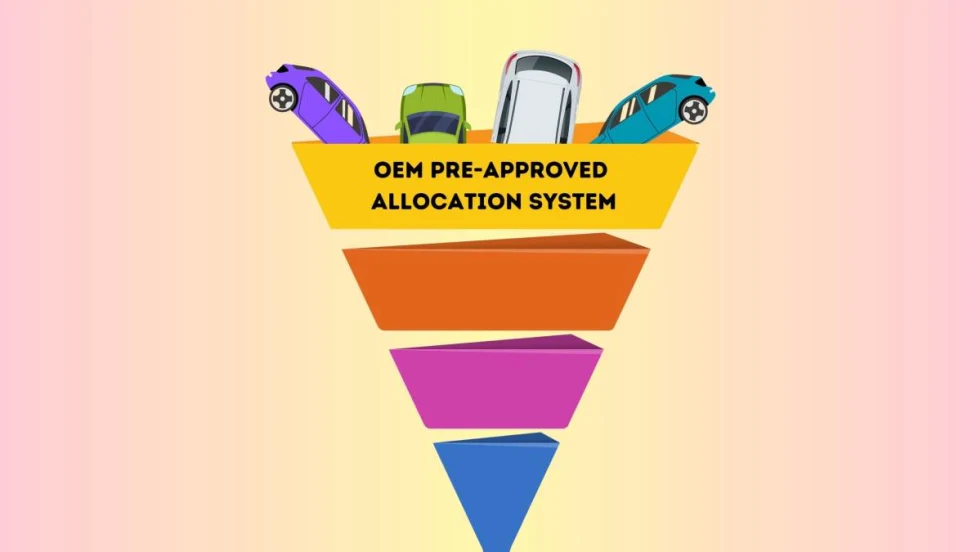
Scheduled Replacement Cycles Are Becoming a Distant Memory
The ongoing difficulty in sourcing replacement vehicles is forcing companies to extend the service lives of vehicles that are unable to be replaced, which, inevitably, increases unscheduled maintenance expenses.
Read More →
Fleet Simplification is the Antidote to Asset Variability
Fleet simplification identifies asset functions to uncover commonality among the equipment and assets. Simplification increases operational efficiency as end-users become accustomed to the controls, displays, and operation of less diverse units.
Read More →
The Dangers of Static Fleet Policies
A fleet policy is a living document, flexible enough to adapt to evolving business priorities, developing industry trends, and changing industry best practices and standards.
Read More →
Short-Term vs. Long-Term Cost Reductions
Corporate procurement staff are often driven by short-term, immediate cost reductions. However, a longer perspective to soft cost savings is critical because fixating on short-term results will hurt a company in the long run.
Read More →
Uptick in Unscheduled Maintenance Increasing Vehicle Downtime
Fleet data analysis can identify recurring downtime issues. It’s important to determine the root causes of downtime so procedures can be developed to minimize such problems.
Read More →
Eliminate Needless Curb Weight to Maximize ICE & EV Efficiencies
Vehicle weight relates directly to fuel economy. In today’s era of electrification, there is also a direct correlation between vehicle weight and battery range.
Read More →
Tech Dependence Risks Dumbing Down Fleet Manager Expertise
The line between creative thinking and problem solving and doing what the data indicates is thin. To lead in fleet management, you need to balance understanding the fundamentals and embracing what smart technology offers.
Read More →
Leverage the Synergy of Safe Driving to Achieve Sustainability and Cost Goals
Safe driving, emission reductions, and cost containment can all be achieved at the same time.
Read More →
The Playbook for Fleet Manager Success
There are many paths to success — most of them involve being flexible, open-minded, and willing to learn.
Read More →