




MVRs Miss Many Red-Light Camera Infractions
Leased vehicles are registered in the lessor's name. As a consequence, some drivers with multiple red-light camera violations may go undetected by corporate safety and HR departments. Since a red-light camera violation is charged to the lessor - the registered owner of the vehicle - in many states, it won't appear on the driver's MVR. Because it is likely that red-light camera infractions won't appear on an MVR, an employer won't know they occurred if only relying on MVR violation history.

By Mike Antich
Leased vehicles are registered in the lessor's name. As a consequence, some drivers with multiple red-light camera violations may go undetected by corporate safety and HR departments. Since a red-light camera violation is charged to the lessor - the registered owner of the vehicle - in many states, it won't appear on the driver's MVR. Typically, the actual red-light camera ticket is sent to the lessor, who, in turn, notifies the fleet manager. Some lessors send the ticket directly to the driver for payment. However, this doesn't mean the violation is recorded on the driver's MVR.
"Red-light camera violations often do not hit the driver's MVR," said Brian Kinniry, manager of risk and safety services for The CEI Group. "When a red-light camera infraction is recorded, the registered owner is mailed the ticket, regardless of who was driving the vehicle. If the vehicle is leased, the lessor usually receives the ticket, since it is the registered owner," said Kinniry.
Most, but not all, fleet management companies (FMC) automatically pay these tickets to avoid late penalties. The tickets are also forwarded by the FMC to the client fleet or a third-party service provider. The registered owner or lessee of the vehicle is held liable for the alleged violation unless he or she can prove another person was actually driving the vehicle.
Falling Through the Cracks
Violation management has been a hot topic in fleet recently, and many fleet managers are actively working with their FMCs to provide solutions to the problems that violations create, problems that are both administrative and financial. Complicating the violation management challenges that fleet managers face comes when they manage service or delivery fleets. "It can be potentially difficult to identify the driver of that vehicle at the time of the infraction. There are potentially significant effort, time, and resources needed to find that information," said Kinniry.
While fleet managers work to close the gaps and more efficiently manage driver violations, it is important that attention also be paid to the risk problems that are presented to fleets, specifically by traffic camera violations.
Because it is likely that red-light camera infractions won't appear on an MVR, an employer won't know these infractions occurred if they are relying on only the MVR results to capture a driver's violation history. This leaves a potentially significant blind spot in a driver's risk summary. If a driver is involved in an accident while driving a company vehicle, which results in a liability lawsuit, a plaintiff's attorney will most likely be able to discover these camera violations. "The infractions are tied to the registered owner of the vehicle through the license plate and an attorney would most likely be able to obtain this information in discovery," said Kinniry.
Another gap that fleet managers are presented with when managing traffic-camera violations deals with driver awareness and behavior. In some cases, drivers may not be informed they were cited for running a red light and the tickets were automatically paid on their behalf. Some fleet drivers have been cited for running a red light and had the fine paid, all without ever knowing about it or given the due-process opportunity to contest the citation.
Don't Wait to be Behind the 8-Ball
Red-light cameras are used in approximately 481 communities in the U.S. and speed cameras are used in more than 58 jurisdictions, according to the Insurance Institute for Highway Safety (IIHS). According to American Traffic Solutions (ATS), approximately 5,000 photo enforcement cameras are in use. Red-light violations fees range from about $50 up to $150.
The penetration of red-light cameras in municipalities is approximately 9 percent. Photo-enforcement speed cameras are currently less than 1 percent. However, within 10 years it is predicted there will be a substantial increase in camera installations.
Should fleet managers track these photo-enforcement violations by individual driver? "What we tell our customers: 'You should have known what you could have known.' It is very important to pull all available information together because you can be sure the plaintiff's attorney will do everything he or she can to find it in discovery," said Kinniry. "To argue that the company didn't know a driver had multiple red-light camera violations in the period before they injured somebody or worse, when every one of those violations went to the FMC or to the company themselves is going to put the company in a difficult position should it go to litigation."
Increasingly, fleet managers and corporate risk managers are requesting their safety provider (whether an internal or outsourced function) to have red-light camera violations become part of the driver's profile. "At CEI, red-light camera violations are part of a driver's risk summary, which can be used to assign points and help raise the visibility of risk-prone drivers. We also make the violations visible to the driver themselves to influence driver behavior," said Kinniry. "You should consider putting a process in place now while the problem is somewhat manageable - when there is only a 9-percent penetration of red-light cameras, not when it's substantially higher. If you wait, you are going to be behind the 8-ball."
Let me know what you think.
More Blog Posts
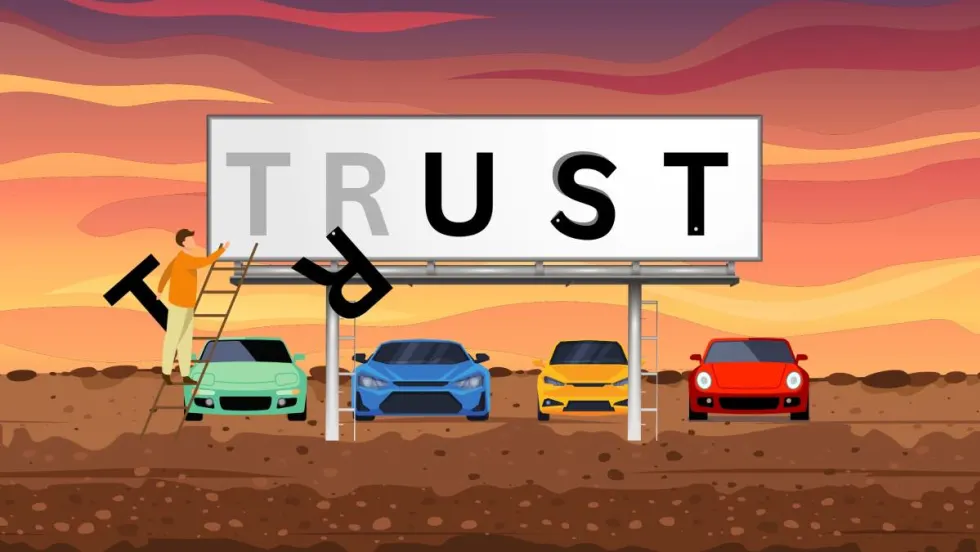
Fleets Want Trust Restored with Suppliers
During this period of ongoing supply constraints, the trust that fleet managers had with OEMs, upfitters, and dealers has been strained. Fleet managers say they have had too many experiences over the past three years coping with erroneous information, adjusting to multiple price increases, and feeling betrayed by inadequate transparency from suppliers.
Read More →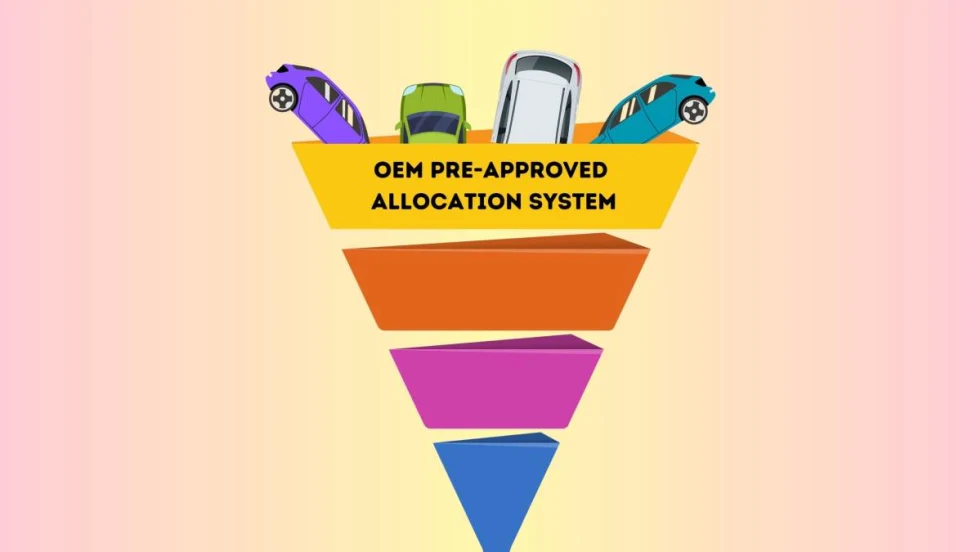
Scheduled Replacement Cycles Are Becoming a Distant Memory
The ongoing difficulty in sourcing replacement vehicles is forcing companies to extend the service lives of vehicles that are unable to be replaced, which, inevitably, increases unscheduled maintenance expenses.
Read More →
Fleet Simplification is the Antidote to Asset Variability
Fleet simplification identifies asset functions to uncover commonality among the equipment and assets. Simplification increases operational efficiency as end-users become accustomed to the controls, displays, and operation of less diverse units.
Read More →
The Dangers of Static Fleet Policies
A fleet policy is a living document, flexible enough to adapt to evolving business priorities, developing industry trends, and changing industry best practices and standards.
Read More →
Short-Term vs. Long-Term Cost Reductions
Corporate procurement staff are often driven by short-term, immediate cost reductions. However, a longer perspective to soft cost savings is critical because fixating on short-term results will hurt a company in the long run.
Read More →
Uptick in Unscheduled Maintenance Increasing Vehicle Downtime
Fleet data analysis can identify recurring downtime issues. It’s important to determine the root causes of downtime so procedures can be developed to minimize such problems.
Read More →
Eliminate Needless Curb Weight to Maximize ICE & EV Efficiencies
Vehicle weight relates directly to fuel economy. In today’s era of electrification, there is also a direct correlation between vehicle weight and battery range.
Read More →
Tech Dependence Risks Dumbing Down Fleet Manager Expertise
The line between creative thinking and problem solving and doing what the data indicates is thin. To lead in fleet management, you need to balance understanding the fundamentals and embracing what smart technology offers.
Read More →
Leverage the Synergy of Safe Driving to Achieve Sustainability and Cost Goals
Safe driving, emission reductions, and cost containment can all be achieved at the same time.
Read More →
The Playbook for Fleet Manager Success
There are many paths to success — most of them involve being flexible, open-minded, and willing to learn.
Read More →